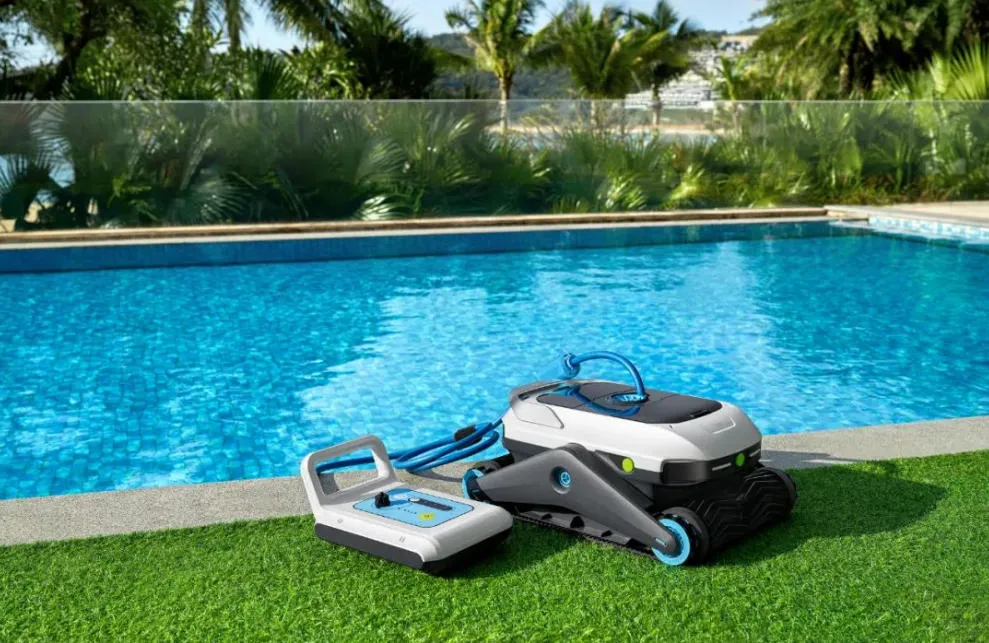
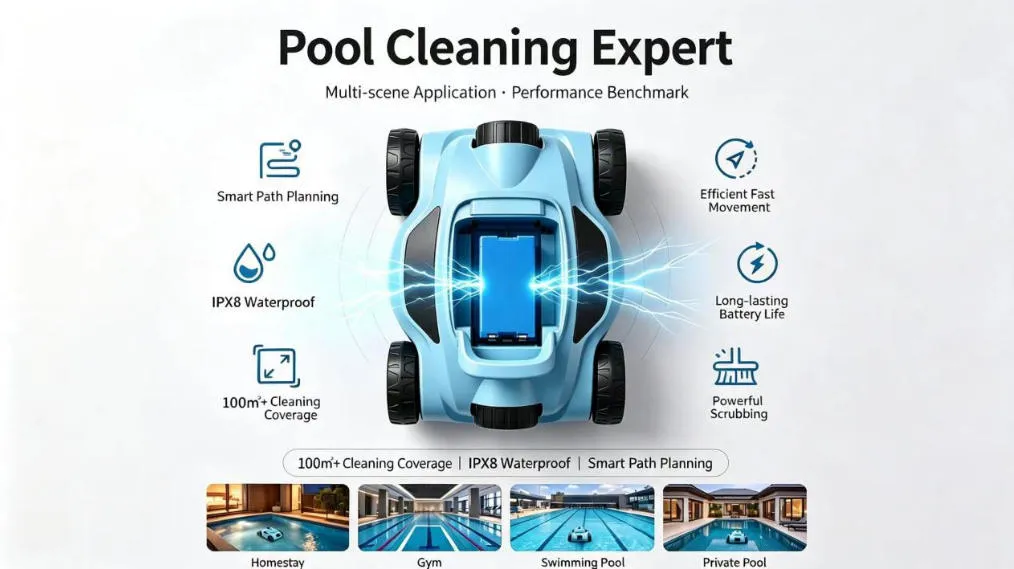
A pool cleaning robot is an intelligent cleaning device that relies on built-in drive motors paired with spiral brushes and suction assemblies to autonomously cruise underwater. Through high-speed agitation and negative-pressure adsorption, it removes sediment, fallen leaves, scale, and residual grease from the pool floor. Simply put, it can be regarded as a "fully automatic underwater pool butler." Whether for private residential pools, hotel and club commercial pools, or large swimming facility pools, the pool cleaning robot liberates manual labor, eliminating the heavy work of bending down to scrub and manually retrieving debris. Relying on built-in intelligent navigation systems and waterproof drive motors, it autonomously plans cleaning routes to comprehensively remove dirt from the pool floor and walls, saving significant manual labor time, reducing water quality maintenance costs, and conveniently keeping pool water clean and crystal clear.
Long runtime without shutdown, abundant underwater power, and stable, safe operation of a pool cleaning robot often depend on the battery concealed within the chassis that continuously supplies power to the waterproof motor.
In recent years, with the expansion of commercial pool scales in hotels and swimming facilities, and the public's increasing demand for pool maintenance convenience, fully automatic pool cleaning robots have gradually entered the public eye. In commercial scenarios, they help swimming facilities and resort hotels reduce operational labor costs and ensure all-day pool cleanliness. In home consumer scenarios, they free homeowners from heavy chores such as pool scrubbing, leaf retrieval, and sediment suction. Pool cleaning robots are no longer merely niche, high-end conceptual devices; they are becoming essential smart equipment in modern pool configurations that enhance quality of life.
Against this backdrop, the power system is not only a source of energy but also the core of product reliability and user experience. The industry's key concern is not how high the robot's maximum cleaning speed is, but whether it remains stable and reliable at critical moments—when the robot adsorbs heavy leaves and sediment and the roller brush encounters stubborn scale causing a sudden increase in resistance, can the power output remain smooth without shutdown? When commercial pools require continuous large-area cleaning operations for several hours, can the battery support a complete cleaning cycle? When the battery is subjected to an underwater environment with high humidity and large temperature differentials for extended periods, and under frequent start-stop load fluctuation conditions, is battery safety controllable?
This has directly driven the power batteries for pool cleaning robots to evolve from ordinary consumer-grade cells toward high energy density, resistance to humidity and temperature variations, and high safety protection. Therefore, in devices such as pool cleaning robots that operate underwater for long periods with dynamic load changes, the battery's safety, environmental adaptability, and discharge stability have become the foundation for products to impress customers and advance into the high-end market.
The working environment of a pool cleaning robot is extremely special—fully submerged in water, operating continuously for long durations, and subject to frequent charge and discharge cycles—which imposes far more stringent requirements on the battery than ordinary portable electronic products:
● Waterproof sealing for full underwater submersion: When operating, pool cleaning robots are completely submerged in water, and the battery compartment must achieve IP68-rated waterproof and dustproof protection. Ordinary consumer-grade battery waterproof designs cannot meet the demands of long-term underwater operation. Once water seeps into the battery compartment, it can cause short-circuit failure at best, and safety accidents at worst.
● High capacity for long-duration continuous operation: A single cleaning session of a pool cleaning robot often needs to cover the entire pool, with runtime ranging from 90 minutes to several hours. If the battery capacity is insufficient, the robot may lose power midway through cleaning, forcing the user to manually retrieve it and recharge.
● High-current output for high-load operation: Pool cleaning robots need to simultaneously drive the travel motor, water pump motor, and intelligent control system. When facing heavy loads such as large amounts of leaves and gravel on the pool floor, the battery must possess stable high-current discharge capability to ensure that cleaning power does not degrade.
● Long cycle life for high-frequency use: During the pool open season, pool cleaning robots are used almost daily and charged frequently. If the battery cycle life is insufficient, obvious capacity degradation will occur after one to two years of use.
● Corrosion resistance in water: Pool water contains chemical disinfectants such as chlorine. Long-term immersion poses a corrosion threat to the battery casing, connectors, seals, and other components.
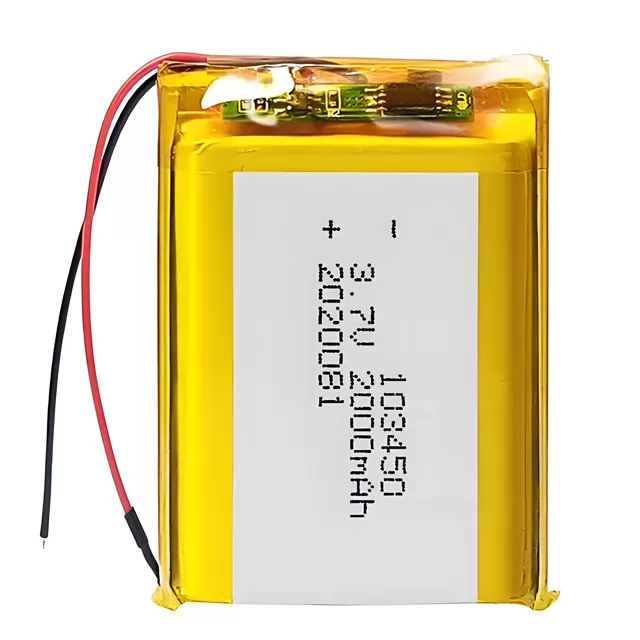
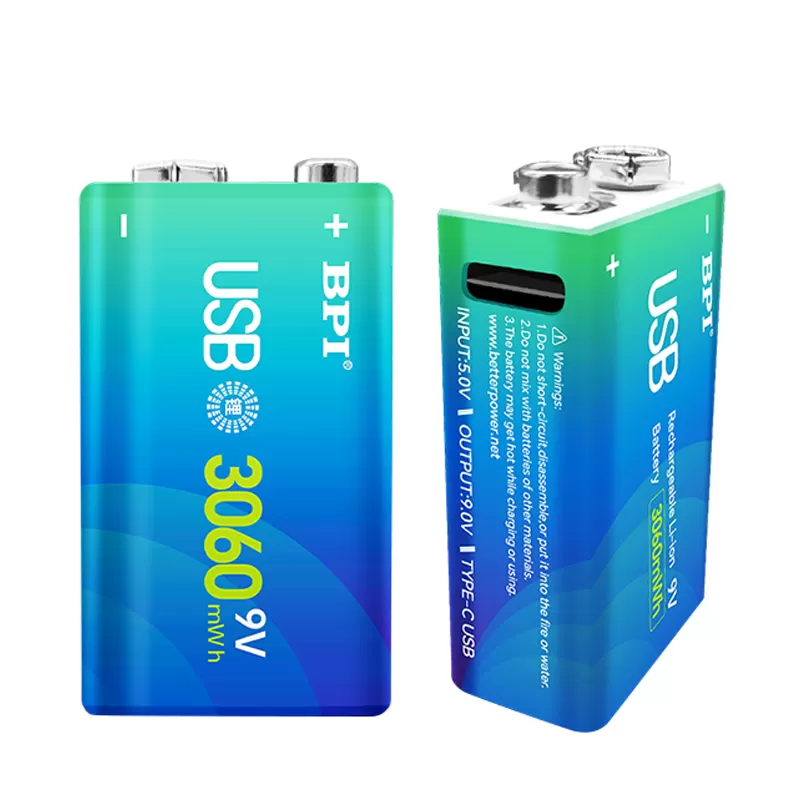
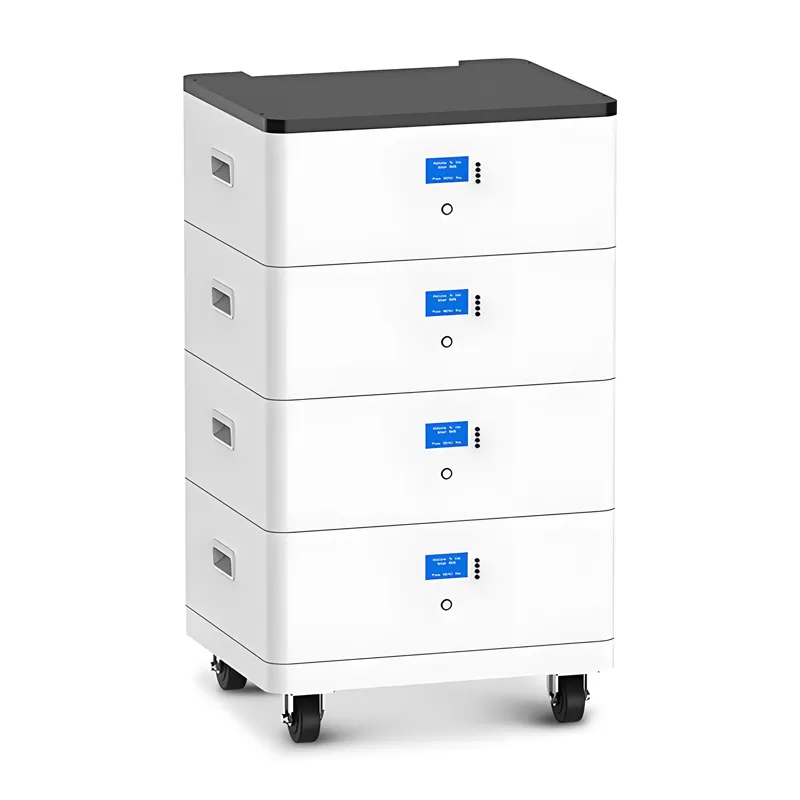
Among various battery technology routes, high-performance battery packs, with their comprehensive performance advantages, have become the mainstream power solution for pool cleaning robots. A battery pack refers to a complete battery unit that combines multiple cells in series and parallel configurations, integrating the battery system, waterproof casing, connectors, and other components. Compared with single cells, battery packs perfectly align with the core needs of pool cleaning robots:
| Core Requirement | Battery Pack Solution |
| Waterproof Sealing | Through multi-layer potting processes and precision structural design, ensures stable long-term underwater operation and avoids short-circuit risks caused by water ingress |
| Corrosion Resistance | Selects casings, wiring harnesses, and sealing materials resistant to chemical media such as chlorine, resisting pool water disinfectant erosion, suppressing electrochemical corrosion of metal parts, and delaying battery aging and failure |
| Lightweight Design | Selects high energy density cells and optimizes internal pack layout to control battery weight while ensuring sufficient capacity; matches the robot's overall weight distribution to ensure underwater floor-hugging cleaning and prevent floating and slipping |
| Stable Endurance | Adopts high energy density power cells, adapted to frequent start-stop and load fluctuation conditions underwater; a single full charge can fully cover home/commercial pool cleaning cycles, with smooth discharge and no late-stage power cliff |
| Underwater Safety | Real-time monitoring of voltage, current, and temperature, avoiding overcharge and over-discharge through dynamic balancing technology, ensuring stable output across a wide temperature range |
As a manufacturing enterprise with many years of experience in the battery industry, BPI (Better Power) was founded in 2002 and is a leading manufacturer in China's new energy battery industry. It has successively obtained certifications as a Shenzhen High-tech Enterprise, National High-tech Enterprise, and National Specialized and Innovative "Little Giant" Enterprise. The company produces more than 1.5 million batteries of various types daily, has accumulated nearly 200 patent applications, and exports to over 80 countries and regions worldwide.
BPI battery packs can be flexibly customized for pool cleaning robots ranging from home models to commercial professional models. BPI lithium batteries cover both high energy density systems and high-rate power systems, and can be combined and custom-developed for different application scenarios of intelligent pool cleaning robots (such as lightweight home small pool robots and high-power cleaning output for commercial large pool robots). Among them, the high-rate power series and intelligent BMS solutions have been widely used in underwater intelligent equipment systems with extremely high requirements for waterproof and corrosion resistance, operational stability, and safety performance.
At the product design stage, BPI is already application-scenario-oriented. Targeting the two major pain points of underwater humidity and corrosion and roller brush stall impact in pool cleaning robots, BPI has strengthened the battery pack structure design to enhance the battery pack's waterproof and anti-corrosion capabilities. At the same time, through strict cell consistency control, it ensures that multi-series battery packs will not cause sudden drops in overall cleaning performance due to cell differences under frequent start-stop and underwater bump impact conditions.
1. Misconception One: Directly applying ordinary consumer-grade lithium battery packs. Ordinary consumer battery packs are designed for power banks and home digital devices, without specialized waterproof potting or anti-chlorine corrosion treatment. Directly used in pool robots, long-term contact with chlorine-containing pool water and humid vapor can easily lead to seal failure and metal terminal corrosion and rusting, causing leakage, short circuits, battery swelling, and equipment failure and shutdown underwater.
2. Misconception Two: Pursuing high capacity only while neglecting rate discharge performance. Blindly pursuing large capacity to extend runtime and selecting low-rate cells. When the robot's roller brush gets entangled with leaves and hair and stalls, it cannot output instantaneous high current, resulting in insufficient power and protective motor shutdown, making it impossible to complete stubborn dirt cleaning; repeated stalling will also accelerate cell aging and shorten battery life.
3. Misconception Three: Ignoring underwater operating condition BMS protection logic and copying digital product protection solutions. Ordinary digital BMS protection strategies are biased toward static environments. Pool robots have frequent start-stops and large load fluctuations; copying general BMS can easily lead to false protection and unscheduled shutdowns; once an abnormality occurs underwater, if the protection response is not timely, it will amplify underwater electrical safety hazards and cannot be directly copied from consumer electronics battery solutions.
4. Misconception Four: Only looking at nominal cycle life while ignoring the accelerated degradation caused by the corrosive environment on lifespan. Laboratory standard cycle life cannot be directly equated with actual pool service life. Pool disinfectants, humidity, and alternating temperature changes will accelerate the corrosion of wiring harnesses and metal plates. Even if the cell itself has good cycle parameters, if pack auxiliary materials and sealing processes are inadequate, the battery will rapidly degrade in actual use, far from reaching the nominal lifespan.
In advanced underwater intelligent cleaning equipment, the truly critical components are often not glamorous. This is true for pool cleaning robots, and so is the internal power battery.
BPI battery packs continuously deliver value in these invisible yet experience- and safety-critical core positions through stable, reliable, predictable, and inherently safe performance. It not only provides surging, non-stuttering power output for the motor but also, through stringent quality control, ensures that the equipment remains as stable as a rock after years of humid corrosion and frequent stall impact conditions, making underwater intelligent cleaning more reassuring and efficient.
In pool cleaning equipment applications, the battery is never a simple energy storage component but a core component of the entire machine's safety and reliability system. BPI always adheres to strict standards as the fundamental criterion for product development and manufacturing, with full-process traceability and controllability. Over years of use, performance changes are predictable, risks are controllable, and quality is guaranteed.
Q: Does BPI's pool cleaning robot battery pack support customization for the internal irregular space structure of the complete machine?
A: Yes. We can provide multi-series combinations for different voltage platforms based on the limited cavity space inside the pool robot body, and customize irregular pack structures for irregular compartments while also considering overall weight distribution and waterproof potting assembly process requirements.
Q: How does the battery system respond to high-current impact caused by roller brush stalling and frequent start-stops?
A: BPI batteries stably output instantaneous high current when the roller brush encounters hair and debris stalling; at the same time, they implement current-limiting protection for continuous malignant stalling to avoid cell damage.
Q: Do the products meet certification requirements for entering the global market?
A: Yes. BPI products have passed mainstream global safety certifications including UN38.3, UL, CE, ROHS, PSE, and KC, and are strictly produced following advanced quality management system standards, helping customers' products sell well at home and abroad.