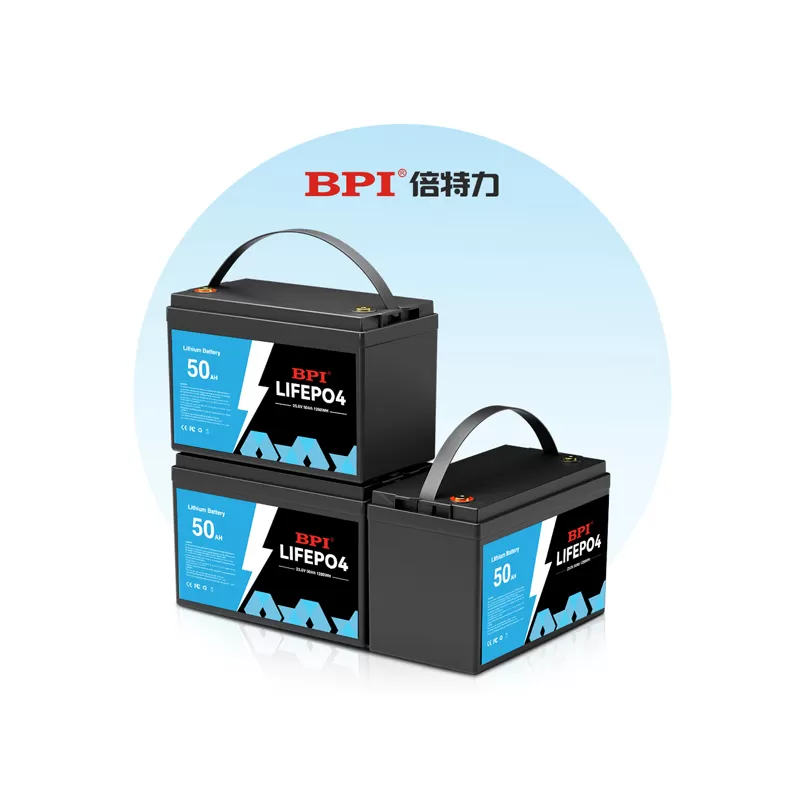
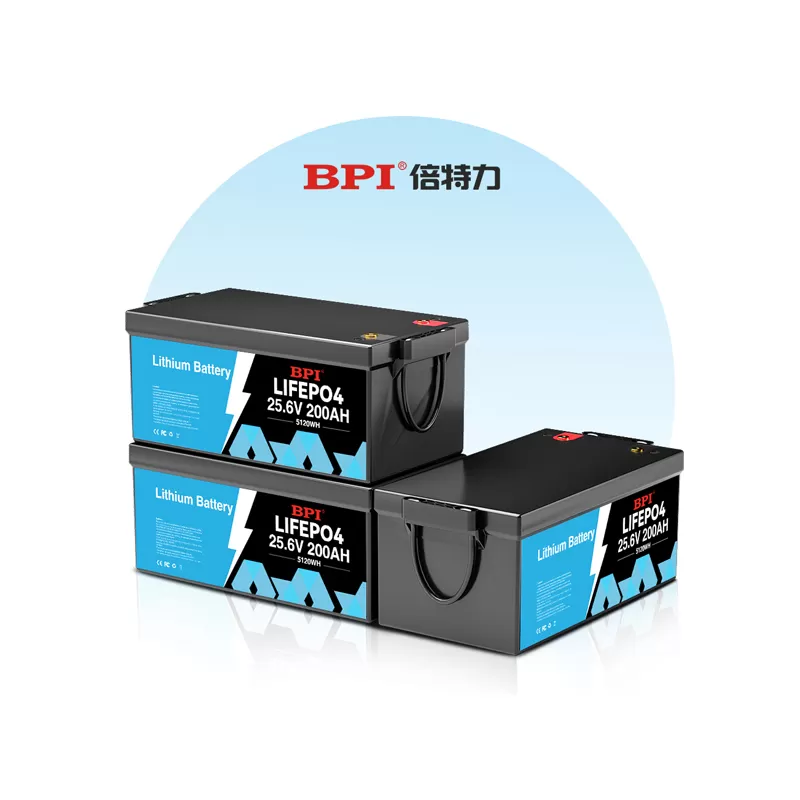
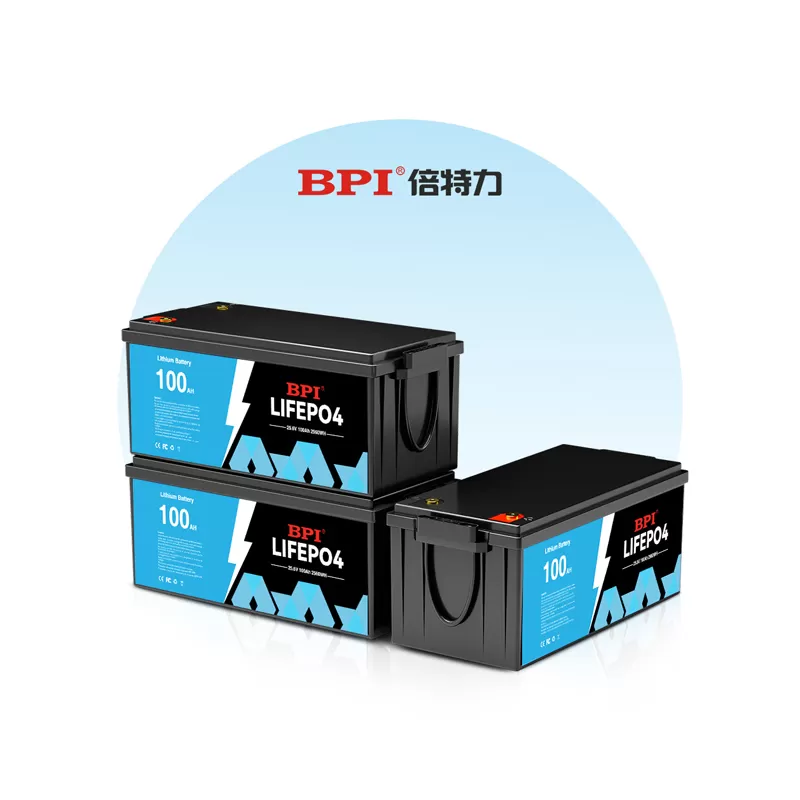
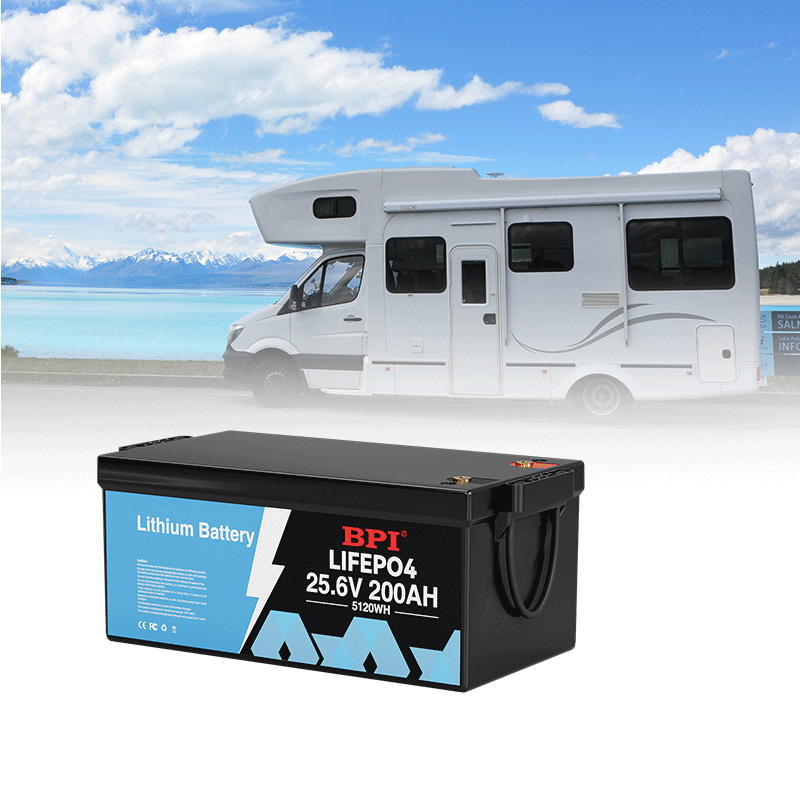
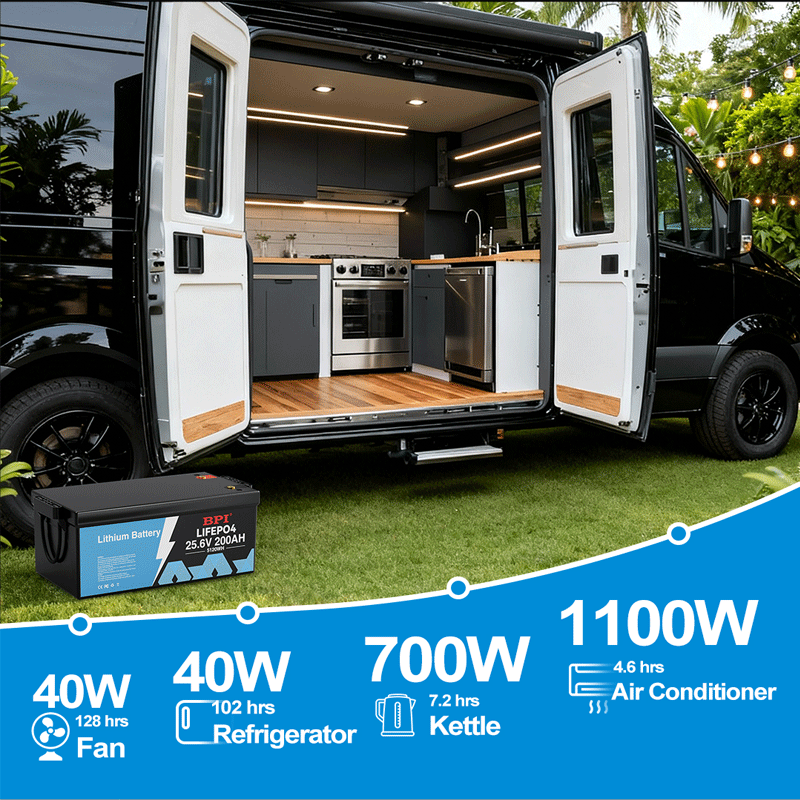
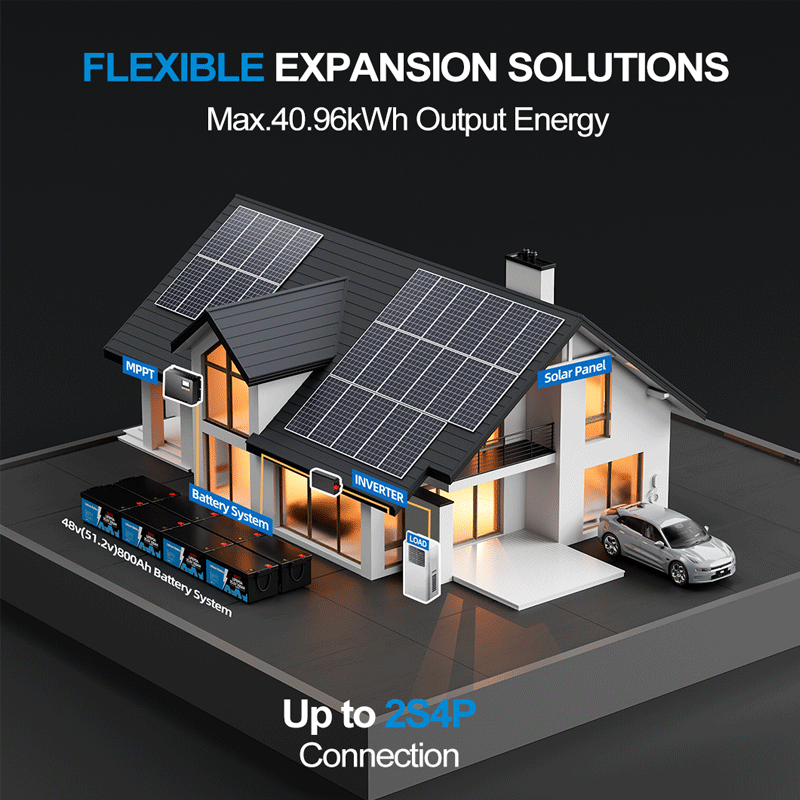
It is typically composed of eight 3.2V LiFePO4 cells connected in series, resulting in a nominal voltage of 25.6V. Compared to a 12V LiFePO4 battery, a 24V system draws less current when delivering the same power, which means thinner cables can be used, reducing line losses and heat generation while improving overall efficiency. Compared to a 48V LiFePO4 battery, it offers better compatibility with equipment and a lower application threshold. Its weight is usually only one-third to one-half that of a lead-acid battery of the same capacity, greatly facilitating installation and the use of mobile devices.
| Model | Rated Voltage (V) | Capacity (Ah) | Energy (Wh) | Dimensions (mm) | Weight (Kg) | IEC Cycles |
| 25.6V 6Ah | 25.6 | 6 | 153.6 | 152*100*100 | 1 | >2000 |
| 25.6V 7Ah | 25.6 | 7 | 179.2 | 152*100*100 | 1 | >2000 |
| 25.6V 12Ah | 25.6 | 12 | 307.2 | 165*126*175 | 3 | >2000 |
| 25.6V 18Ah | 25.6 | 18 | 460.8 | 198*166*170 | 4 | >2000 |
| 25.6V 30Ah | 25.6 | 30 | 768 | 198*166*170 | 6.1 | >2000 |
| 25.6V 50Ah | 25.6 | 50 | 1280 | 329*173*216 | 10 | >2000 |
| 25.6V 100Ah | 25.6 | 100 | 2560 | 522*240*218 | 22 | >2000 |
| 25.6V 150Ah | 25.6 | 150 | 3840 | 522*240*218 | 28 | >2000 |
| 25.6V 200Ah | 25.6 | 200 | 5120 | 520*268*220 | 44 | >2000 |
| Customized on demand | ||||||

Up To 3 Times Compared To The Same Period Last Year
>2000 Cycles

60% Lighter Than The Same Product
Saves 40% Installation Space

Free Of Heavy Metal Pollution

Reduced By 60%

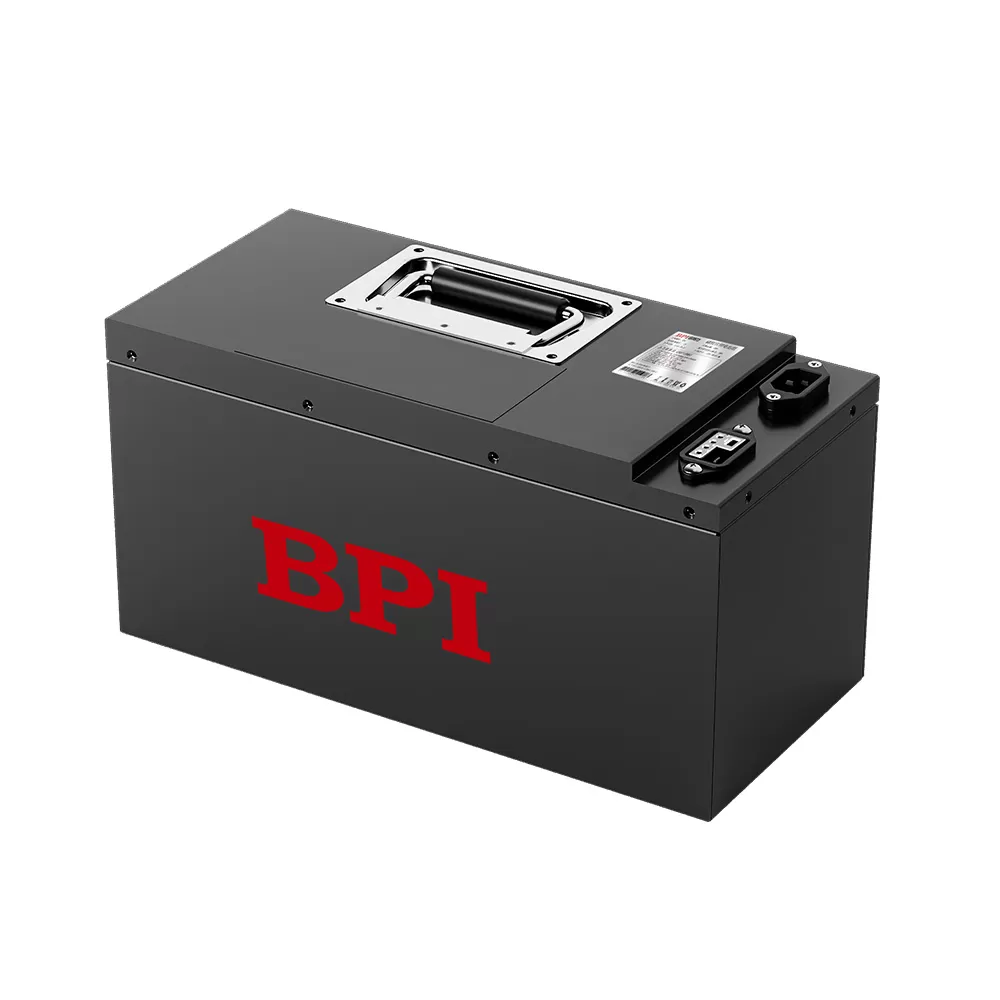 Small Power 48V LiFePO4 Battery
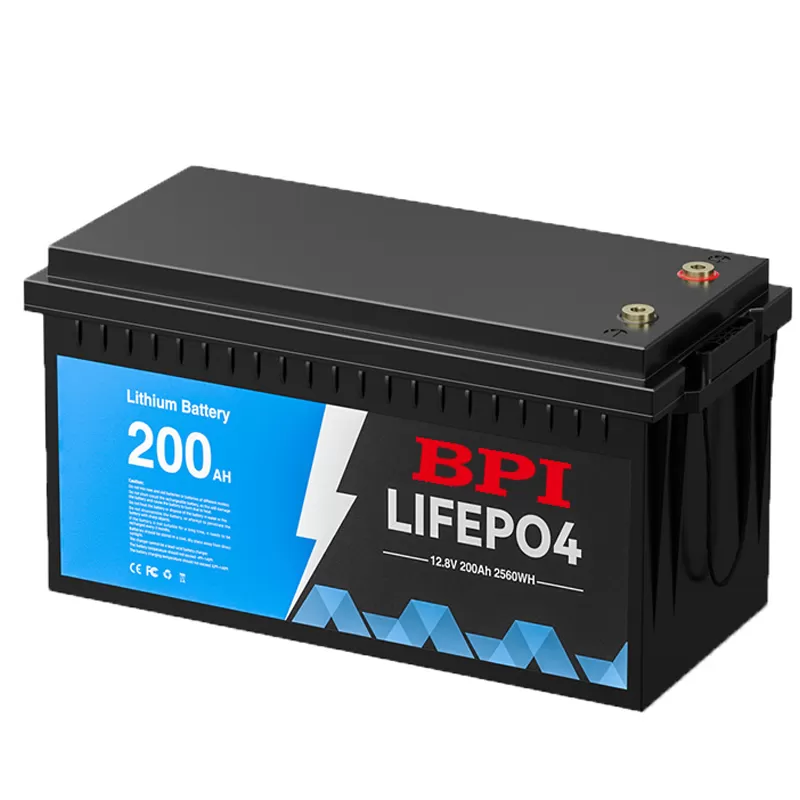 12V LiFePO4 Battery
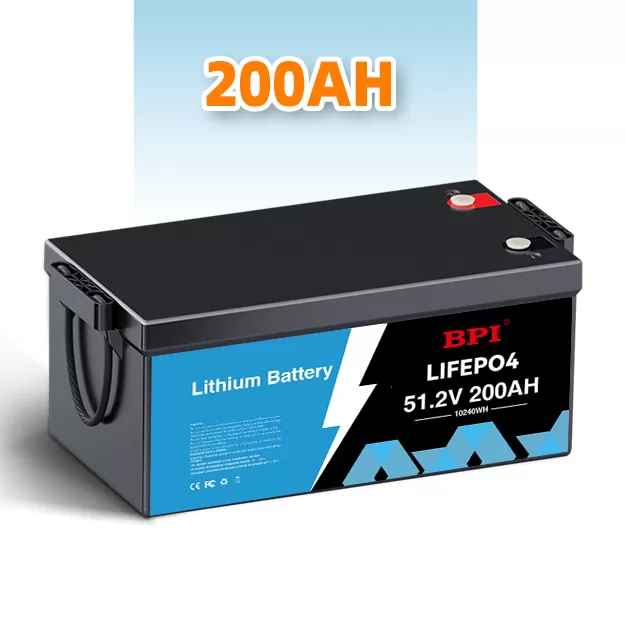 48V LiFePO4 Battery
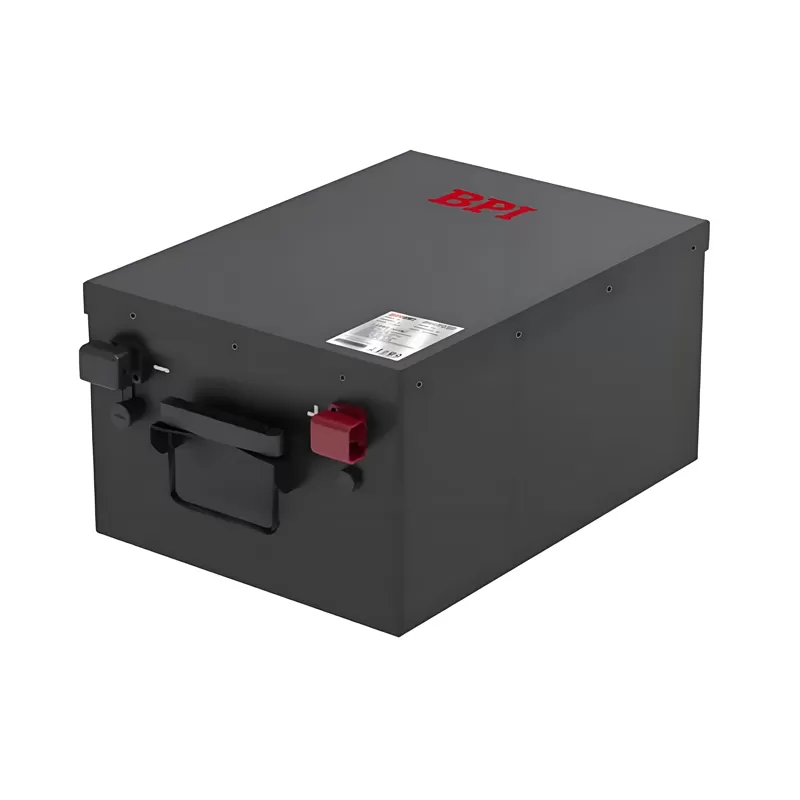 Small Power 72V LiFePO4 Battery