Large warehouses, airport terminals, underground parking garages, shopping mall atriums — what do these environments have in common? Vast areas, high-frequency use, and intensive workloads. The industrial cleaning vehicles responsible for maintaining these spaces are the "ground guardians" of public hygiene. Yet countless equipment maintenance personnel have experienced this: the cleaning vehicle suddenly triggers a low-battery alarm mid-shift, forcing an emergency return to the charging station. After charging overnight, it barely lasts half a day the next morning. The range was decent when new, but within a year the battery has degraded noticeably. Replacing a single battery pack costs thousands of dollars. On social media and industry forums, complaints about "insufficient range," "slow charging," "short battery life," and "expensive replacements" are commonplace.
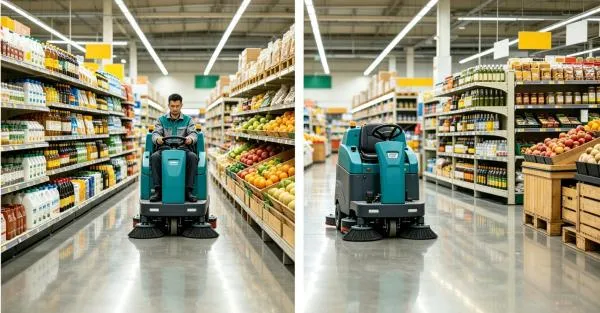
Industrial cleaning vehicles, also known as ride-on sweepers or floor scrubbers, are professional machines designed for large-scale hard-floor cleaning. Their operating principle is straightforward: a traction battery supplies power to the drive motor for vehicle propulsion, while simultaneously powering the brush motors and vacuum suction motors to complete sweeping, scrubbing, and wastewater recovery in a single integrated process. These machines combine sweeping, scrubbing, and suction functions, delivering cleaning efficiency more than 10 times that of manual labor. However, whether this "cleaning giant" can perform reliably when it matters most — whether the battery can sustain an entire day's cleaning operation in an airport terminal without mid-shift power failure; whether it can maintain stable output in freezing logistics cold storage or scorching outdoor plazas without degradation; whether it can support rapid charging and long-term reliability for multi-shift continuous fleet operations — ultimately depends on the power battery system concealed within the vehicle chassis.
In recent years, as urbanization accelerates, environmental hygiene standards in public spaces rise continuously, and electrification and intelligent technology in cleaning equipment achieve breakthrough after breakthrough, industrial cleaning vehicles have evolved from "nice-to-have" tools to "indispensable cleaning mainstays." In logistics and warehousing scenarios, they efficiently complete tens of thousands of square meters of floor cleaning daily, ensuring the cleanliness of goods storage environments. In transportation hubs such as airport terminals and high-speed rail stations, they safeguard the travel experience of tens of thousands of passengers. In large retail stores and exhibition halls, they support high-frequency cleaning operations before and after business hours. Cleaning vehicles are no longer merely labor-replacement tools; they are becoming critical equipment for ensuring public environmental hygiene and operational efficiency.
Against this backdrop, the battery is not merely a source of energy — it is the core determinant of cleaning equipment operational efficiency and total cost of ownership. The industry's central concern is not how fast the cleaning vehicle can travel, but whether it can work stably and reliably when it counts. When an airport terminal requires round-the-clock floor cleanliness, can the battery support an entire shift without mid-operation power loss? When a cleaning fleet needs to operate in two shifts continuously, can the battery enable fast charging and extended range without dragging down operational efficiency? When equipment is used in winter cold storage (-20°C) or summer outdoor environments (40°C+), can the battery maintain stable output without significant degradation?
In authentic user feedback, complaints such as "battery range dropped significantly after one year," "a full night's charge only lasts half a day," and "replacing the battery costs more than buying a new machine" are frequently heard. This has directly driven the evolution of industrial cleaning vehicle batteries from "conventional lead-acid" toward "high-energy-density lithium iron phosphate, ultra-long cycle life, fast-charging capability, and wide-temperature-range operation." Therefore, in industrial cleaning vehicles — equipment directly tied to cleaning efficiency and operating costs — battery capacity and range, cycle life, charging efficiency, environmental adaptability, and safety reliability have become the core factors determining whether a device can truly earn user trust and stand out in the cleaning equipment market.
As large-scale professional cleaning equipment, industrial cleaning vehicles impose far more complex and demanding design requirements on batteries than ordinary portable devices:
- Sustained High-Current Discharge Demand: Cleaning vehicles must simultaneously power the traction motor, brush disc motors, and suction motors, requiring continuous high-current discharge during operation. The battery must maintain voltage stability and ample capacity under sustained high-current discharge, preventing operational interruptions or degraded cleaning performance due to insufficient power.
- Ultra-High Capacity and High Energy Density: A single charge must support several hours of continuous operation, with battery capacity requirements typically ranging from tens to hundreds of ampere-hours. The battery must achieve 80Ah+ capacity at a 25.6V voltage platform within limited chassis space, maximizing range without increasing overall vehicle weight.
- Ultra-Long Cycle Life to Reduce Operating Costs: Industrial cleaning vehicles are high-frequency-use equipment, potentially requiring 1–2 charge/discharge cycles per day in commercial scenarios. Lead-acid batteries experience severe capacity degradation after merely 500 cycles, resulting in prohibitively high usage costs. The battery must deliver 2,000+ cycles of ultra-long life, dramatically reducing total cost of ownership.
- Wide-Temperature-Range Environmental Adaptability: Cleaning vehicles may be deployed in winter cold storage (-20°C), summer outdoor environments (40°C+), and various complex operating conditions. The battery must support stable operation across a broad temperature spectrum.
- High Safety Protection Rating: Cleaning vehicles operate in crowded public spaces; battery safety is directly linked to public safety. Overcharge, over-discharge, overcurrent, short-circuit, and overtemperature protections are all essential.
- Fast-Charging Capability: In commercial cleaning scenarios, vehicles must replenish power rapidly during operational breaks. The battery must support high-current fast charging to minimize downtime.
Among various battery technology routes, lithium iron phosphate (LiFePO₄ / LFP) batteries have emerged as the preferred power solution for industrial cleaning vehicles, thanks to their outstanding comprehensive performance advantages. Compared to traditional lead-acid and ternary lithium (NCM) batteries, LiFePO₄ batteries demonstrate significant advantages in cycle life, safety, and environmental adaptability:
| Core Requirement | LiFePO₄ Battery Solution |
| Extended Range | Utilizing LiFePO₄ material system with high energy density; the BPI 25.6V 80Ah battery pack delivers abundant power, supporting several hours of continuous cleaning operation |
| Ultra-Long Cycle Life | LiFePO₄ cells maintain over 80% capacity retention after 2,000 deep charge/discharge cycles; at one cycle per day, this translates to 5–7 years of service, dramatically reducing usage costs |
| Wide-Temperature Operation | Supports stable operation across -40°C to 85°C, adapting to cold storage, outdoor, and various complex conditions |
| Intrinsic Safety | LiFePO₄ material exhibits extremely high thermal stability; no fire or explosion under overcharge, short-circuit, or nail-penetration extremes — safety far exceeding ternary lithium batteries |
| High-Current Charge/Discharge | Supports sustained high-current charge/discharge, adapting to the high-intensity operation demands of cleaning vehicles; fast charging speed reduces downtime |
| Environmentally Friendly & Non-Toxic | Contains no lead, cobalt, or other toxic heavy metals; compliant with RoHS environmental requirements; green and clean |
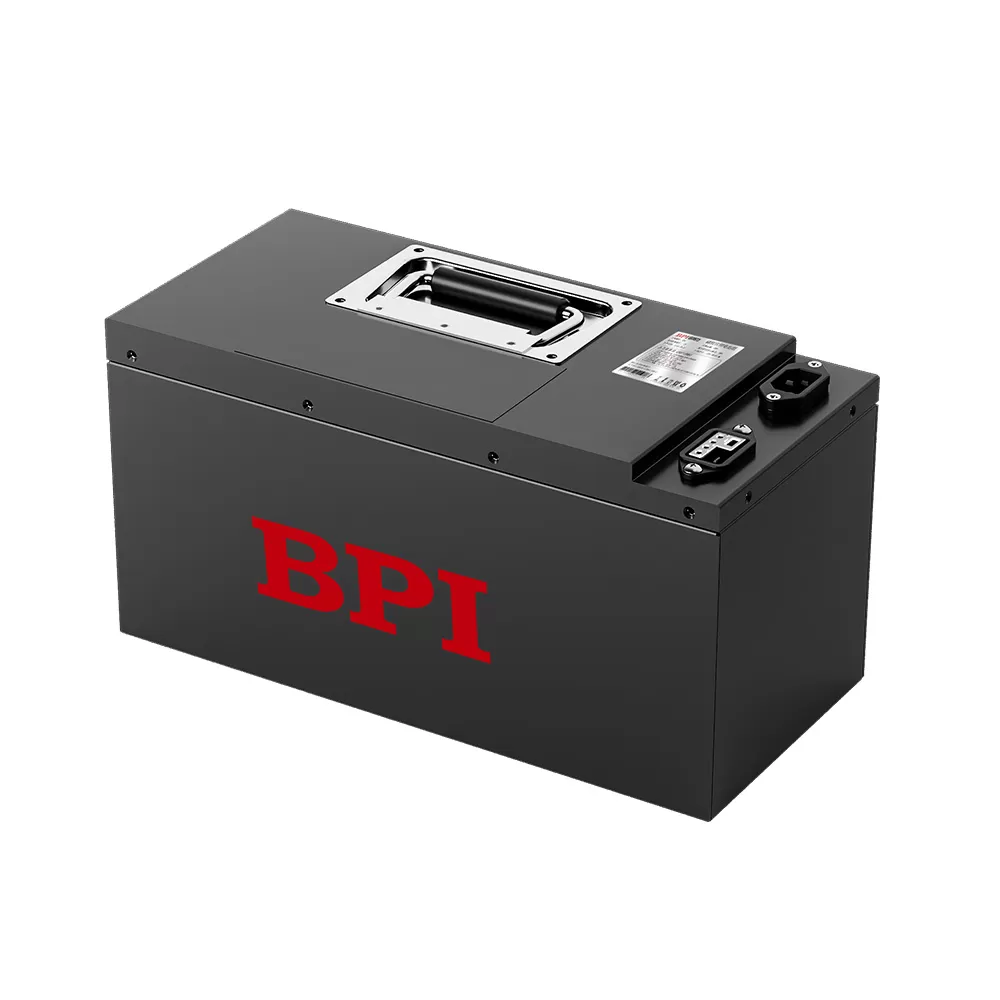
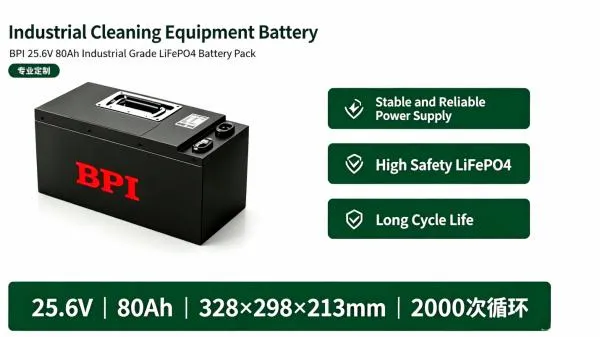
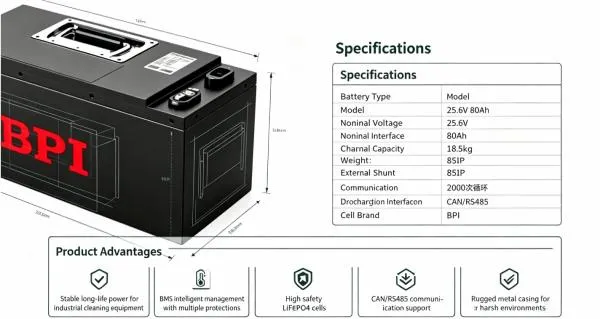
More importantly, it directly serves the long lifespan and high safety demanded by high-intensity commercial cleaning scenarios. Taking the BPI 25.6V 80Ah LiFePO₄ battery pack (8S1P) as an example — it employs 8 high-quality LiFePO₄ cells in series to achieve a 25.6V voltage platform and 80Ah ultra-large capacity, while strictly controlling initial internal resistance to ≤60mΩ, ensuring highly efficient power output during high-current discharge.
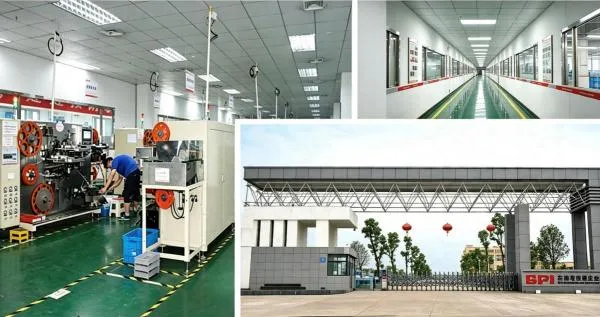
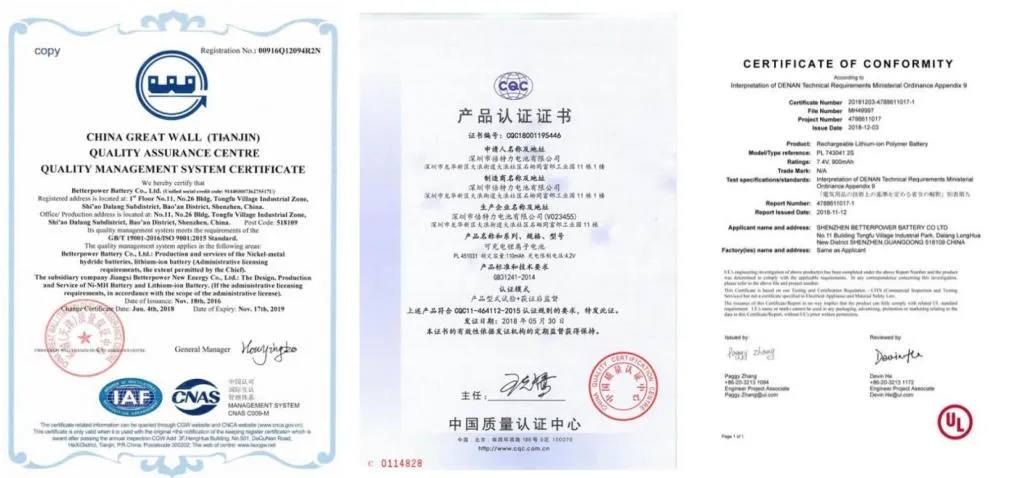
As a manufacturing enterprise with over 20 years of deep engagement in the battery industry, BPI has developed a complete and mature product portfolio in the large-capacity LiFePO₄ battery pack sector, accumulating extensive experience in cleaning equipment, industrial vehicles, and other fields with extremely high reliability requirements. Founded in 2002 and headquartered in Shenzhen, the company operates two major production bases in Longhua, Shenzhen, and Yichun, Jiangxi, covering a total area exceeding 200 mu (approx. 133,000 m²) with over 1,500 employees. In 2023, the Phase III fully automated factory of Jiangxi BPI New Energy was commissioned, with lithium battery daily production capacity exceeding 500,000 units. The company has been successively recognized as a national high-tech enterprise and a national-level specialized and sophisticated "Little Giant" enterprise. Products have passed international certifications including UN38.3, UL, CE, RoHS, REACH, and KC, exporting to over 80 countries and regions worldwide. The company holds more than 200 national patents, covering core fields such as high-capacity batteries, battery management systems (BMS), and structural design.
BPI industrial cleaning vehicle dedicated batteries are designed specifically for the cleaning equipment industry's application requirements, utilizing premium raw materials and advanced manufacturing processes. Core features include: high energy density for extended runtime; excellent charge/discharge performance for frequent-use scenarios; -40°C to 85°C wide-temperature adaptability for stable operation in extreme environments; comprehensive safety protection mechanisms effectively preventing overcharge, over-discharge, short-circuit, and overtemperature; and ≥2,000 cycle life dramatically reducing usage costs. The products are widely applied across various industrial cleaning vehicle equipment in the cleaning equipment sector, providing reliable power assurance for normal equipment operation.
Targeting the three core demands of industrial cleaning vehicles — "sustained high-current discharge over long periods," "ultra-long cycle life to reduce usage costs," and "adaptability to complex operating environments" — BPI introduces the 25.6V 80Ah LiFePO₄ battery pack (8S1P). Employing 8 high-quality LiFePO₄ cells in series, it achieves a 25.6V voltage platform and 80Ah ultra-large capacity within compact dimensions of 328×298×213 mm, delivering abundant power for industrial cleaning vehicles.
During the product design phase, BPI adopts an application-scenario-oriented approach: for the high-frequency charge/discharge characteristics of cleaning vehicles, carefully selected low-internal-resistance (≤60mΩ), high-consistency Grade-A cells ensure over 80% capacity retention after 2,000 cycles; for the high-intensity sustained operation demands of cleaning vehicles, a high-current charge/discharge design supports fast charging, significantly reducing downtime; for the stringent safety requirements of commercial cleaning scenarios, an intelligent BMS management system is built in, providing five-layer hardware protection against overcharge, over-discharge, overcurrent, short-circuit, and overtemperature; for the complex environments where cleaning vehicles operate in cold storage and outdoor conditions, a wide-temperature-range formulation supports stable operation from -40°C to 85°C. The BPI 25.6V 80Ah battery pack, with its outstanding performance in ultra-large capacity, ultra-long cycle life, intrinsic safety, and wide-temperature operation, provides a trustworthy power guarantee for industrial cleaning vehicles.
1. Misconception 1: Continuing to Choose Traditional Lead-Acid Batteries While Ignoring Total Cost of Ownership. Some equipment purchasers are attracted by the low initial procurement cost of lead-acid batteries without calculating total lifecycle costs. Lead-acid batteries offer only approximately 500 cycles; at one charge per day, they require replacement in less than 2 years. LiFePO₄ batteries deliver 2,000+ cycles — a lifespan four times that of lead-acid — and although the initial investment is higher, the comprehensive usage cost is actually lower.
2. Misconception 2: Underestimating the Importance of the Battery Management System (BMS). Industrial cleaning vehicle battery packs consist of multiple cells in series; cell consistency directly determines overall lifespan and safety. Inferior or inadequate BMS systems cannot effectively manage the charge/discharge state of each individual cell, leading to single-cell overcharge or over-discharge and premature failure, compromising the entire battery pack's lifespan.
3. Misconception 3: Underestimating the Necessity of Wide-Temperature-Range Operation. Cleaning vehicle operating scenarios are diverse, potentially involving winter cold storage (-20°C) and summer outdoor environments (40°C+). Conventional batteries suffer reduced discharge capability in low temperatures and accelerated aging in high temperatures. Batteries lacking wide-temperature-range design cannot guarantee year-round stable operation.
4. Misconception 4: Underestimating Structural Protection and IP Ratings. Cleaning vehicle operating environments frequently involve water exposure and dust. Battery packs without targeted protective design are highly susceptible to insulation degradation, connector corrosion, and other issues in humid, dusty environments — lightly affecting normal equipment operation, and severely posing safety hazards.
Cleaning vehicles and batteries — cleaning efficiency and the source of power — are inseparable. No matter how powerful the cleaning system, if the battery cannot supply stable power, the entire machine is nothing more than scrap metal.
BPI never compromises. From cell selection to battery pack encapsulation, from BMS design to factory testing, every battery pack is refined to exacting standards. The 25.6V 80Ah battery pack guarantees several hours of continuous cleaning operation with its ultra-large capacity; accompanies equipment through years of reliable service with its 2,000-cycle ultra-long life; ensures high-current efficient output with its ≤60mΩ low internal resistance; and eliminates risks at the source with its five-layer safety protection. More precious than the specifications themselves is BPI's unwavering commitment to quality over more than two decades — full-process traceability, every batch verifiable.
We deliver not merely batteries, but the confidence of every square meter of clean floor.
BPI 25.6V 80Ah Cleaning Vehicle Battery Pack — High Capacity, Long Cycle Life, Greater Peace of Mind.
- Q: Does BPI's cleaning vehicle battery solution support customization for internal vehicle space constraints?
- A: Yes. BPI can provide customized battery packs at various voltage platforms (25.6V / 51.2V) and different capacities tailored to the battery compartment space limitations of different brands and models of cleaning vehicles, adapting to all mainstream cleaning equipment.
- Q: How long can the 25.6V 80Ah battery sustain in actual use?
- A: Based on typical cleaning vehicle operating scenarios (traction power approx. 800W, cleaning power approx. 1000W), the 80Ah capacity can support 4–6 hours of continuous operation, depending on operating mode and floor conditions — sufficient to meet cleaning task requirements for more than half a day.
- Q: What does the 2,000-cycle lifespan mean in practical usage?
- A: Calculated at one full charge/discharge cycle per day, 2,000 cycles equate to approximately 5–7 years of normal service life. BPI strictly adheres to IEC testing standards, with capacity retention still ≥80% after 2,000 cycles.
- Q: Can the battery operate normally in winter cold storage or summer outdoor environments?
- A: Yes. The BPI 25.6V 80Ah battery supports a wide operating temperature range of -40°C to 85°C. Whether in cold storage low temperatures or summer high temperatures, it delivers stable output, ensuring year-round uninterrupted operation.
- Q: What management system (BMS) is equipped with the battery pack?
- A: BPI battery packs feature a built-in intelligent BMS management system, providing five-layer hardware protection against overcharge, over-discharge, overcurrent, short-circuit, and overtemperature. It also includes cell balancing functionality, ensuring long-term cell consistency in multi-series battery packs and extending overall service life.