An electric shaver is a personal care device that uses a built-in miniature motor to drive foil or reciprocating cutter heads at high speed, swiftly trimming facial stubble and sideburns. In fast-paced modern life, electric shavers are essential for office workers rushing out in the morning, business professionals focused on personal appearance, and young people pursuing refined lifestyles, helping men maintain a clean, neat look. Equipped with precision floating cutter heads and powerful motors, the device adjusts shaving angles and power output to fit facial contours, thoroughly cutting coarse whiskers and delivering a smooth, comfortable shaving experience every time. How cleanly a shaver cuts, whether it delivers sufficient power, and how long it runs per full charge all hinge on the power battery concealed inside the handle that drives the motor.

In recent years, rising male personal grooming awareness and advancing smart technology have transformed electric shavers from basic trimming tools into skin-friendly intelligent care devices. For workplace image management, shaving is no longer a rushed morning chore but an elaborate skincare ritual. For quality-of-life scenarios, electric shavers eliminate the hassle, nicks and red irritation caused by manual razors, turning daily shaving from a tedious task into a pleasant ritual. Electric shavers have evolved beyond simple hair-cutting gadgets to become vital smart grooming devices that elevate men’s quality of life.
Against this backdrop, power systems are far more than mere energy suppliers; they are the core determinant of product reliability and user experience. Instead of focusing solely on the number of blades on cutter heads, the industry prioritizes consistent performance under real-world conditions: When users perform wet shaving with foam lubrication and the motor needs sustained high-power operation, can the battery deliver smooth power without speed drops or stalling? After a week of travel with the shaver jostled in luggage and exposed to temperature fluctuations, will the battery retain ample charge for immediate use? After hundreds of charge-discharge cycles in humid bathroom environments, will the cell swell, leak electrolyte, or fail to recharge? If left unused for months in a vanity drawer, can the shaver be picked up and used instantly without waiting for charging? As a daily-use grooming tool that makes direct contact with facial skin, the battery’s runtime stability, cycle lifespan and safety are foundational to earning long-term user trust and advancing premium product positioning.
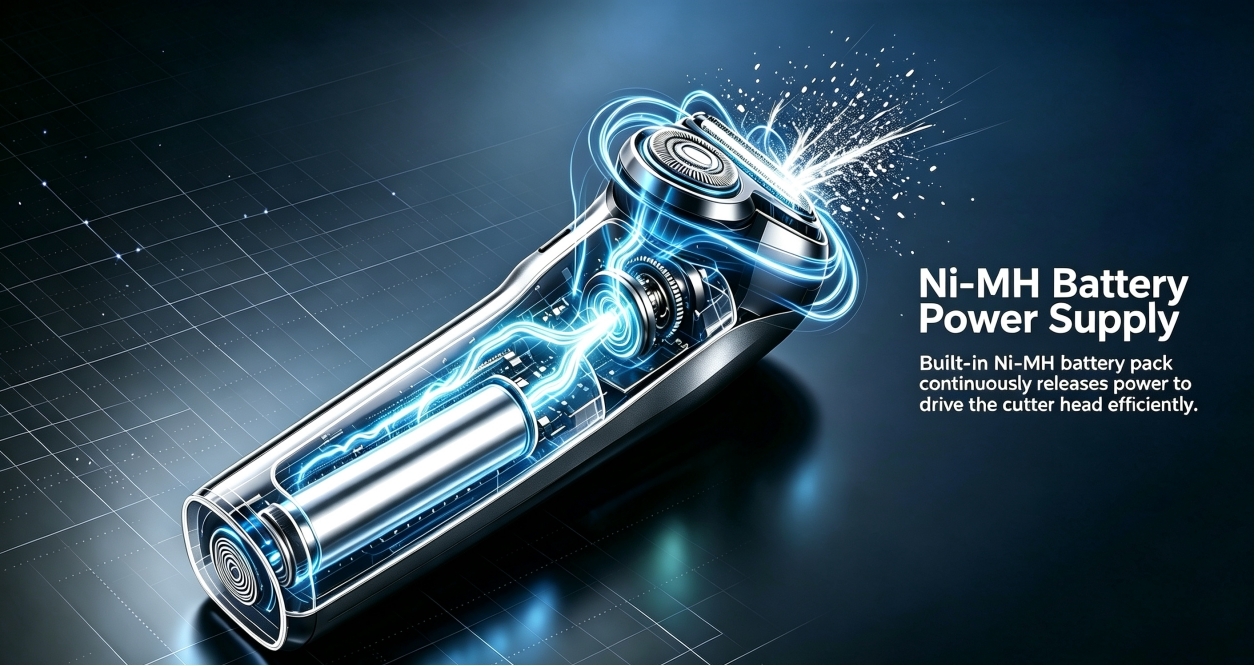
Instant high-current output under heavy loads: When cutting thick, coarse whiskers, motor load surges and demands large instantaneous current. Batteries must support high-rate discharge to maintain consistent motor speed, preventing stalling, hair pinching or incomplete trimming caused by insufficient power supply.
Long cycle life for daily frequent use: Shavers are charged and used almost every day. Cells must withstand hundreds to over a thousand deep charge-discharge cycles without severe capacity loss, sustaining steady runtime throughout the device’s full service life.
Compact lightweight form factor for ergonomic handling: Shavers are held in one hand for extended periods, with portable models having strict size and weight limits. Batteries must fit neatly inside narrow handle cavities without disrupting weight balance or comfortable grip.
| Core Requirement | Ni-MH Battery Solution |
| High-current discharge capability | Ultra-low internal resistance supports high-rate output, easily meeting the instantaneous large current demand during heavy-load shaving |
| Extended cycle lifespan | Delivers 500–1000+ charge cycles; maintains consistent runtime for years with daily charging and use |
| Superior safety performance | More resistant to overcharging and overdischarging than lithium cells, with stable high-temperature performance and zero fire/explosion risks |
| Eco-friendly composition | Free of toxic heavy metals including cadmium, mercury and lead, classified as green environmental batteries |
More importantly, Ni-MH technology has decades of proven market performance and widespread adoption across personal care devices such as electric shavers and toothbrushes.
BPI’s high-rate Ni-MH cell lineup features optimized electrode materials and low-internal-resistance design to deliver stable high-current output, eliminating motor slowdown and incomplete shaving caused by inadequate power. Deep cycle testing confirms a service life exceeding 500 cycles, preserving consistent runtime with daily frequent use. Specialized production processes boost vibration resistance, keeping internal structures stable amid constant micro-vibration from high-speed motor operation. Rigorous cell sorting and full finished-product testing ensure predictable performance and reliable safety for every shipped unit.

Low-cost aftermarket replacement batteries often rely on recycled cells or unscreened Grade B units. While initial capacity appears satisfactory, their cycle life is extremely poor, with runtime dropping to less than half after only 3–6 months of use. Worse, inferior cells carry high internal resistance and generate excessive heat inside the sealed shaver housing, creating hidden safety hazards.
Ni-MH cells require dedicated charging curve parameters. Mismatched chargers lead to overcharging or incomplete charging, accelerating cell degradation. BPI’s matched intelligent charging management system accurately monitors cell status to enable safe, efficient charge and discharge cycles.
Long-term storage in drawers triggers excessive self-discharge, driving cell voltage below the minimum recharge threshold and rendering batteries unactivable even when connected to a charger. BPI low-self-discharge Ni-MH cells, paired with proper storage guidelines, effectively avoid this issue.
BPI Ni-MH batteries deliver consistent value through stable, predictable, intrinsically safe performance in these unseen, experience-critical components. They supply robust, non-declining power to motors, and strict quality control paired with long-cycle design guarantees full power for daily use over many years, delivering clean, comfortable, worry-free shaving every time.
For personal care equipment, batteries are never simple energy storage accessories; they form the core foundation of overall device safety and reliability. BPI adheres to stringent manufacturing standards with full-process traceability, enabling predictable performance changes and controllable risks across the multi-year service lifespan of all products.
For electric shavers and hair clippers — choose safety, choose reliability, choose BPI!
Q: Does BPI offer customized battery structures for different shaver and hair clipper models?
A: Yes. We design single-cell or multi-cell battery packs with diverse voltage platforms and custom irregular profiles to fit cylindrical, flat or uniquely shaped internal cavities of shavers and clippers.
Q: How does the battery system sustain consistent high motor speed and prevent stalling?
A: BPI Ni-MH cells feature ultra-low internal resistance and a flat discharge curve, delivering steady current from full to low charge. This maintains constant cutter head speed and eliminates hair pinching. The integrated intelligent protection board also prevents sudden shutdowns caused by overdischarge.
Q: How long does a single full charge of BPI Ni-MH batteries last?
A: Taking the 600mAh variant as an example, it supports approximately 60–90 minutes of continuous shaving under typical operating current. With a 3-minute average shaving session, this equals 20–30 uses, covering 2–4 weeks of routine household use.
Q: Do the products meet global market access certification standards?
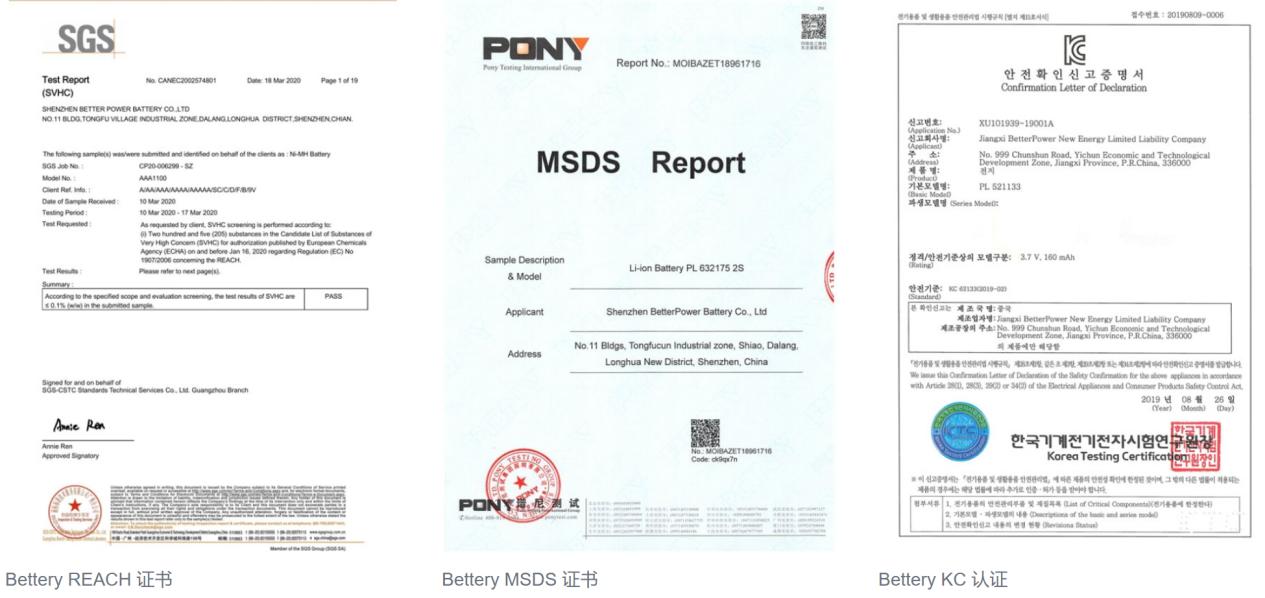
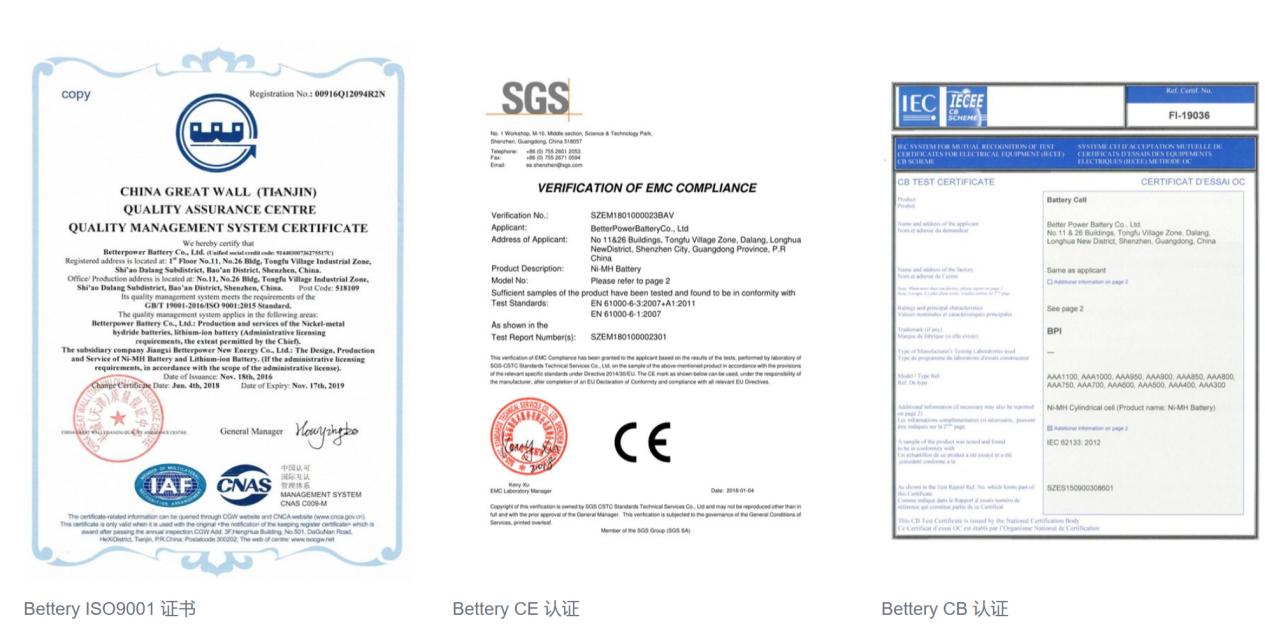
A: Yes. BPI products hold mainstream international safety certifications including UN38.3, UL, CE, RoHS, PSE and KC, manufactured under advanced quality management systems to support global sales for brand partners.
Q: Will the battery degrade if the shaver sits unused for a long time?
A: BPI low-self-discharge Ni-MH cells retain over 80% of their rated capacity after six months of full-charge storage. For extended idle periods, we recommend storing the cell at approximately 50% state of charge to maximize service life and prevent overdischarge damage.