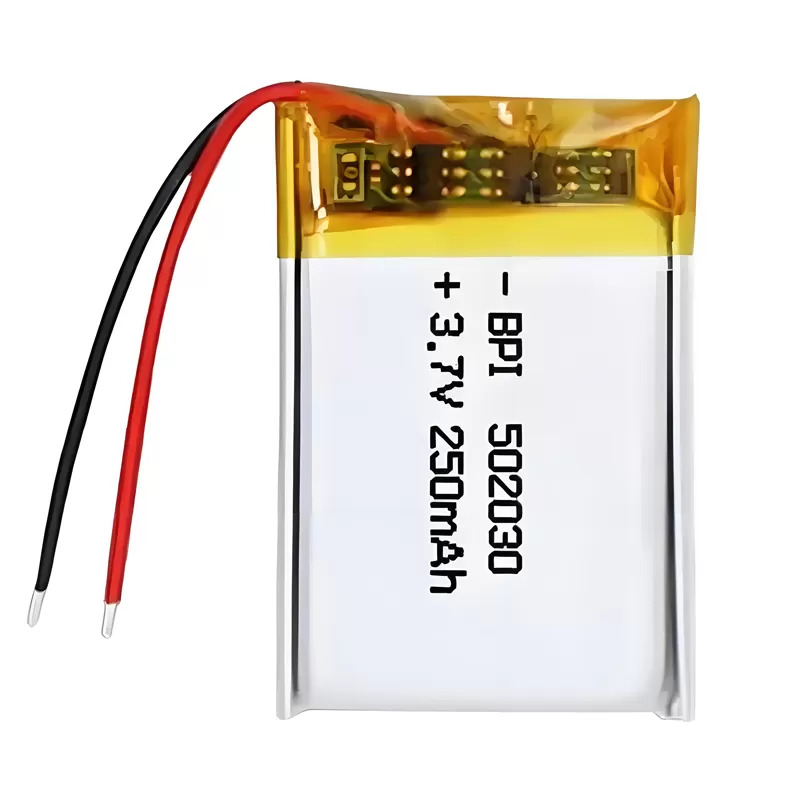
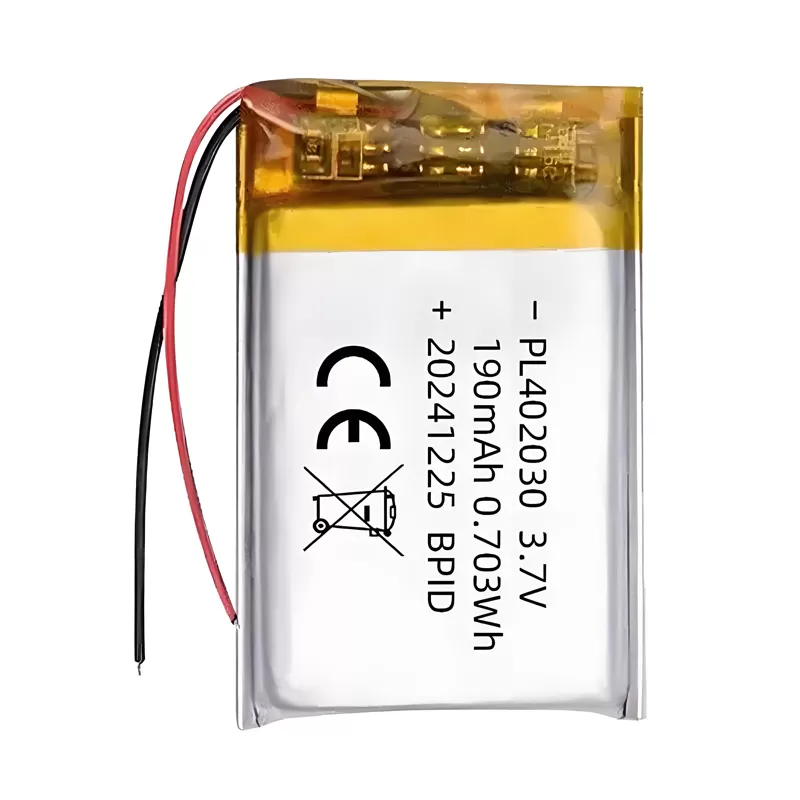
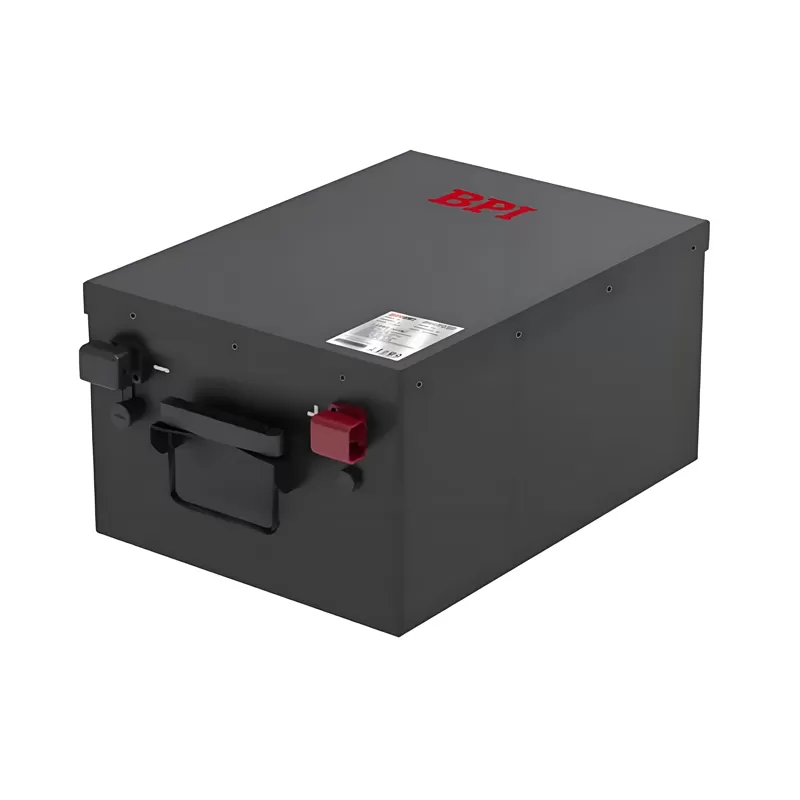
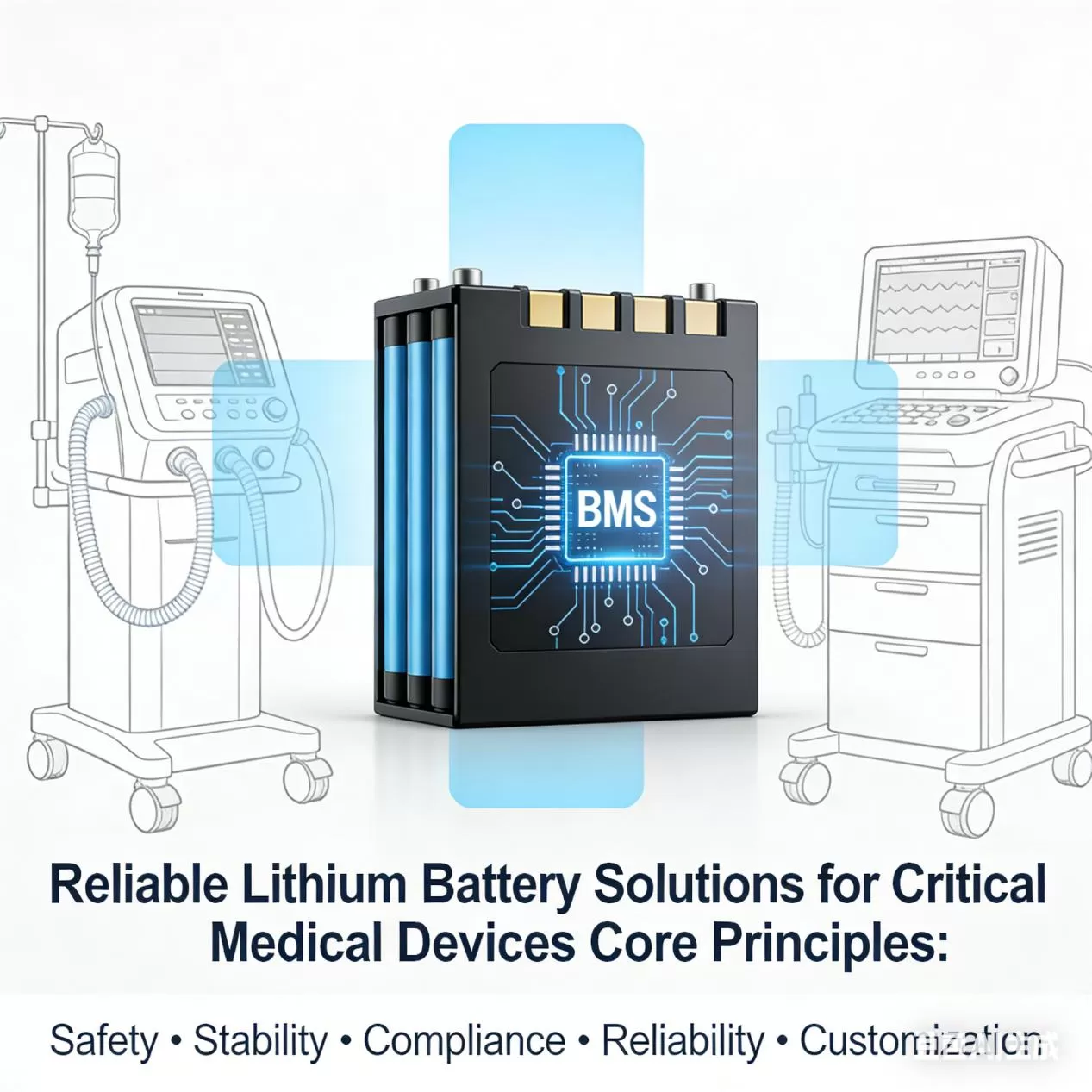
When choosing battery solutions for critical medical devices, the most effective approach is to prioritize five core factors: safety, long-term stability, compliance, power reliability, and customization capability. Instead of blindly chasing maximum capacity or the lowest price, the right solution must deliver consistent stable performance, proven safety, and system-level reliability. This is especially critical in medical applications, where battery performance directly affects the proper operation of life-supporting and diagnostic equipment.
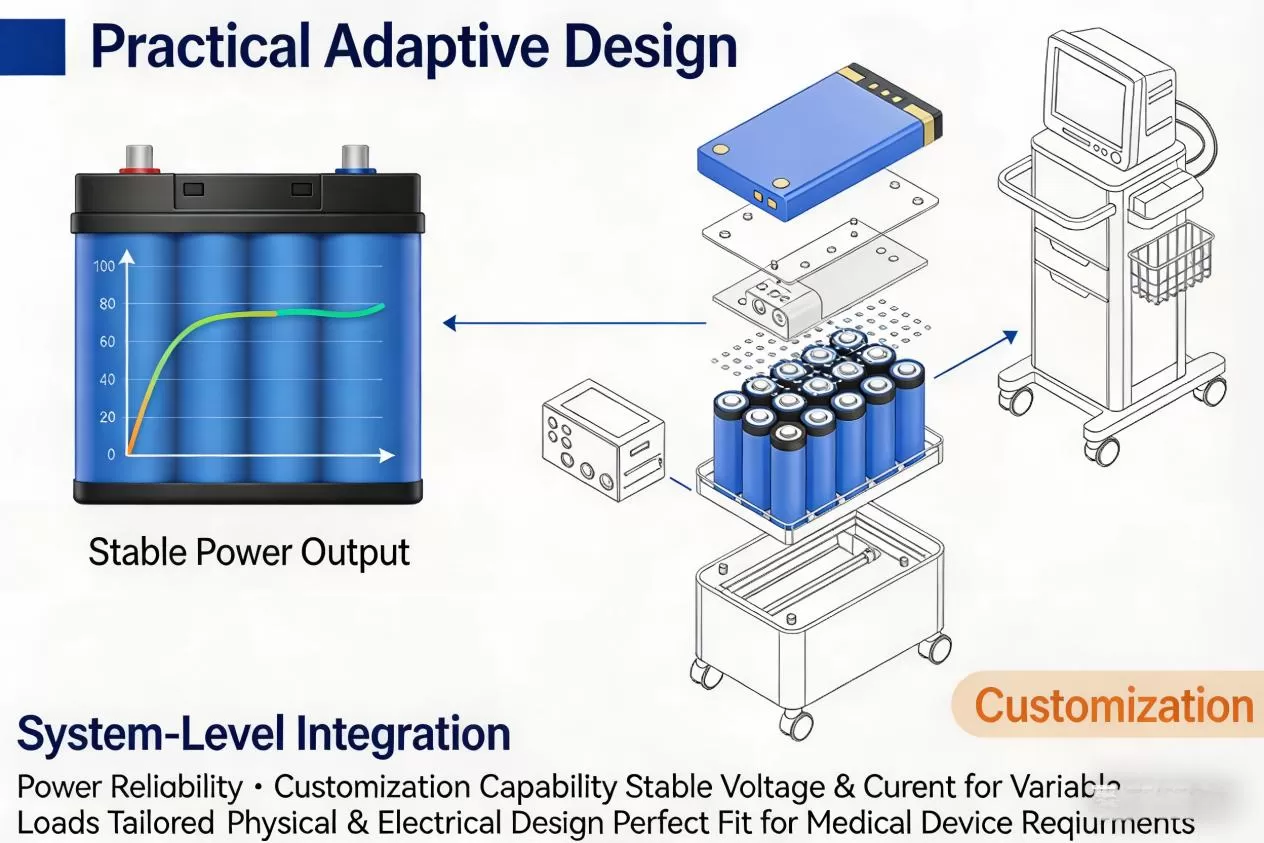
These factors are essential due to the unique nature of medical devices. Unlike consumer electronics, medical equipment such as patient monitors, ventilators, and portable diagnostic systems often operate continuously or perform life-critical tasks under demanding conditions. Safety is not an optional feature but a non-negotiable foundation. A reliable battery system must include a well-designed Battery Management System (BMS) to provide comprehensive protection against overcharging, over-discharging, short circuits, and abnormal temperatures. Without these safeguards, even high-quality cells can become potential hazards.
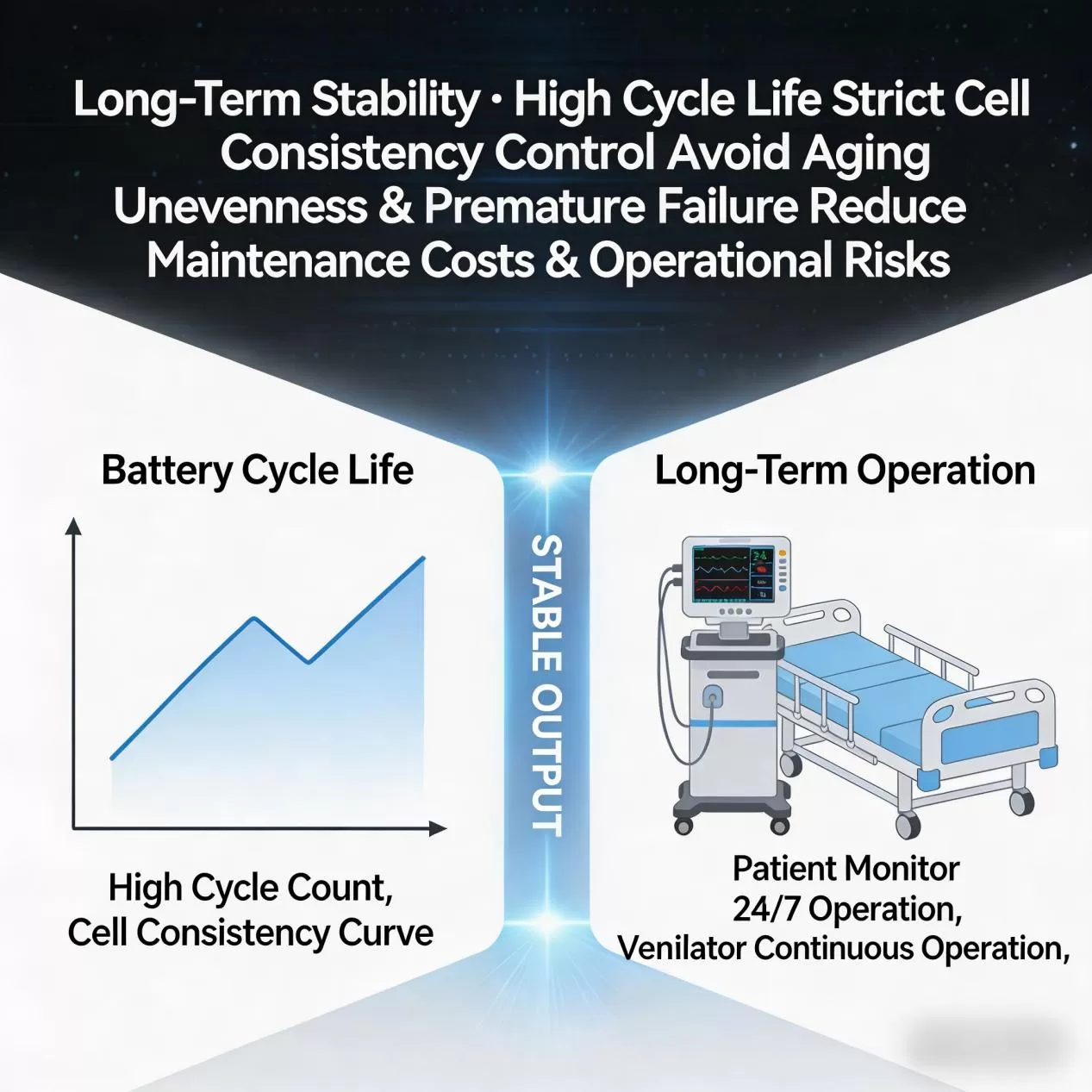
Long-term stability is equally vital. Medical devices typically run for extended periods and undergo frequent charge–discharge cycles. Poor cell consistency leads to uneven aging, unstable voltage, and even premature failure. Over time, this degrades equipment performance, increases maintenance costs, and raises operational risks. Therefore, long cycle life and strict consistency control are two key benchmarks of a reliable battery solution.
Compliance is another mandatory requirement, especially for companies targeting global markets. Standards such as UN38.3 for transportation and various IEC safety certifications are not formalities; they are strong evidence that the battery system has been rigorously tested and verified under internationally recognized safety frameworks. Without proper certification, even technically superior products may face insurmountable market access barriers.
Furthermore, power reliability plays a decisive role in real-world scenarios. Many medical devices demand not only sustained stable power output but also the ability to handle sudden, drastic load changes. A qualified battery solution must deliver steady voltage and sufficient current under all operating conditions, rather than merely meeting rated parameters on paper. Meanwhile, the battery’s physical structure and electrical design must be highly compatible with the host medical device, making customization capability a distinct competitive advantage. Off-the-shelf generic batteries often fail to meet the unique structural layout and functional requirements of medical systems.
For practical decision-making, evaluating battery suppliers should go beyond basic technical specifications. Instead of relying solely on product descriptions, it is more effective to review actual test data, including cycle life reports, aging test results, and consistency indicators. Practical field experience is also critical: suppliers with successful project references in medical, UPS, or energy storage applications are generally more reliable than those without relevant track records. In addition, top suppliers demonstrate system-level capabilities including BMS design, battery pack integration, and customized support services.
Another key indicator is the depth of communication. Professional suppliers always ask detailed questions about your specific application — such as load characteristics, operating environment, and usage conditions — before proposing a solution. This shows their ability to deliver tailored, highly reliable battery systems rather than just generic standard products.
In summary, selecting batteries for critical medical devices is not simply about choosing a standard component; it is about finding a fully validated, application-specific energy solution. By focusing on safety, stability, compliance, and system-level capabilities, companies can significantly reduce long-term potential risks and ensure consistent, reliable equipment performance. In an industry where reliability is non-negotiable, a proper, high-quality battery solution becomes the cornerstone of overall product quality and market competitiveness.