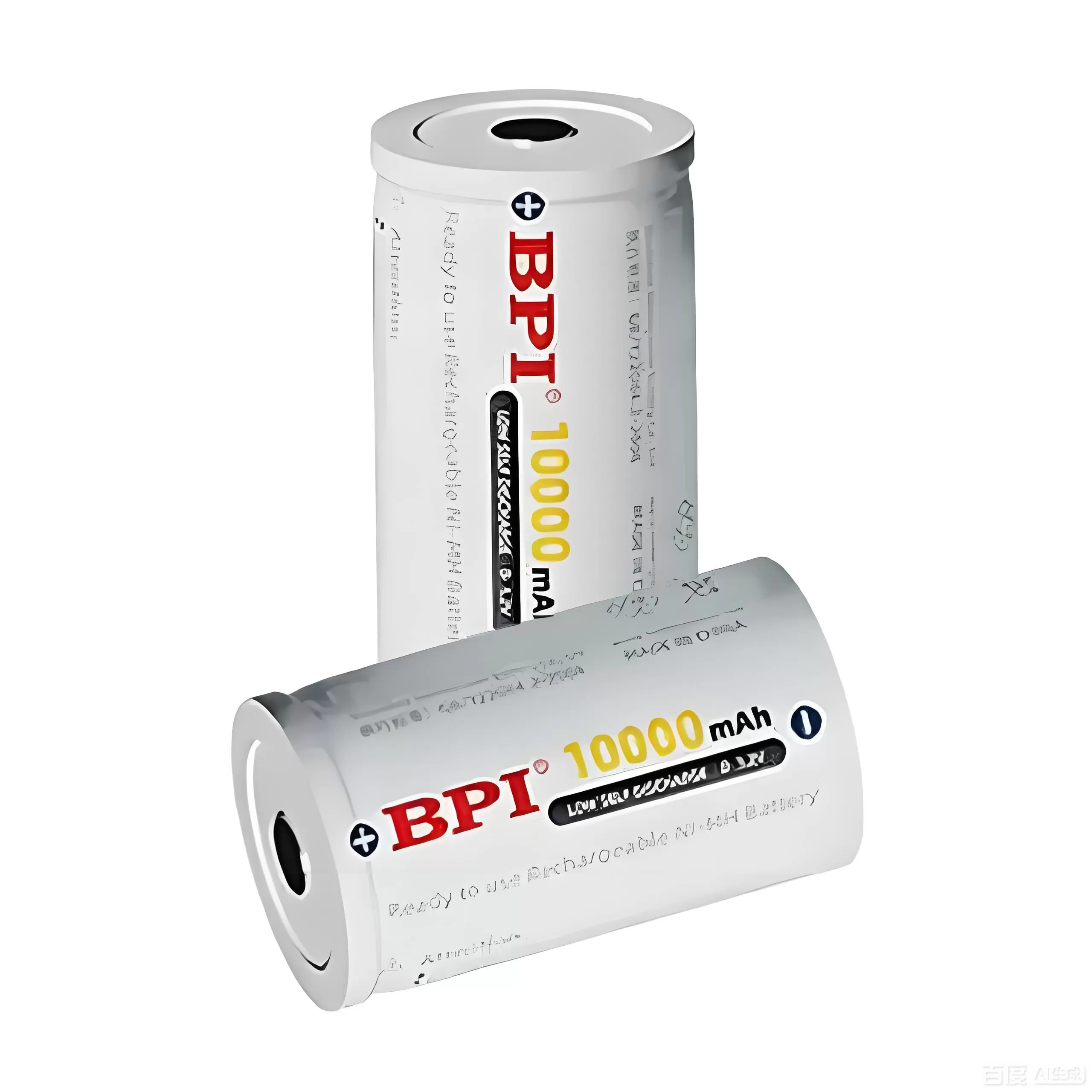
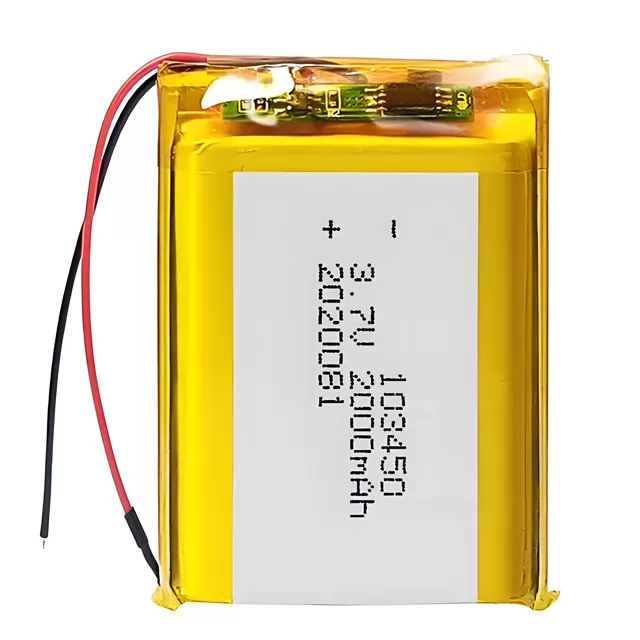
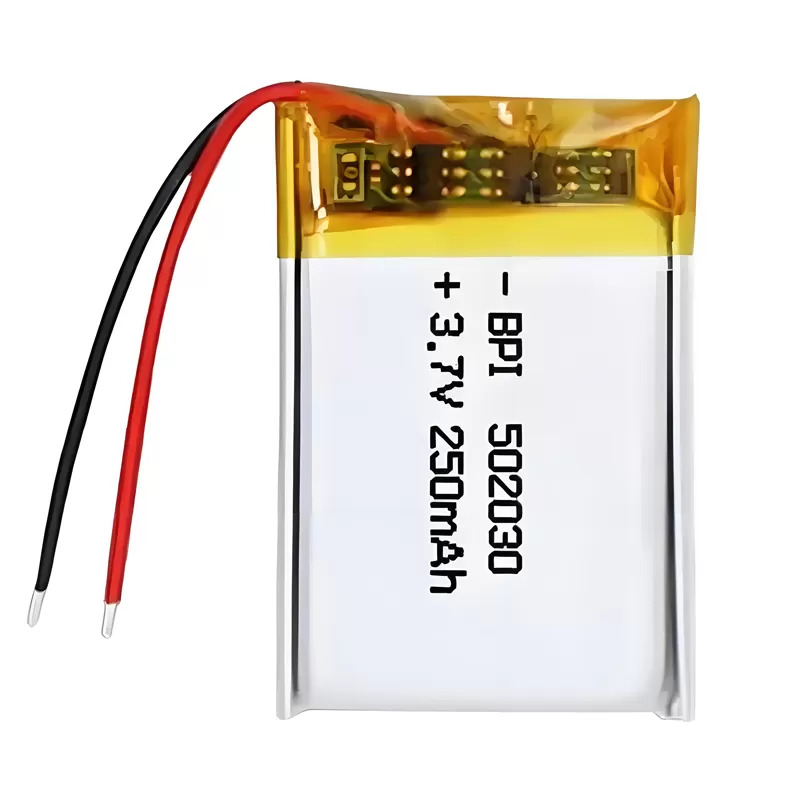
Every cry of a newborn signals an urgent need for feeding. Parents who feed infants with formula know all too well the frantic chaos: your baby cries inconsolably from hunger, yet freshly boiled water is scalding hot for immediate milk mixing. Blending in cold water makes it hard to hit the perfect temperature, and repeated temperature checks only make the baby cry harder. Portable wireless milk warmers were created precisely to solve this feeding hassle.
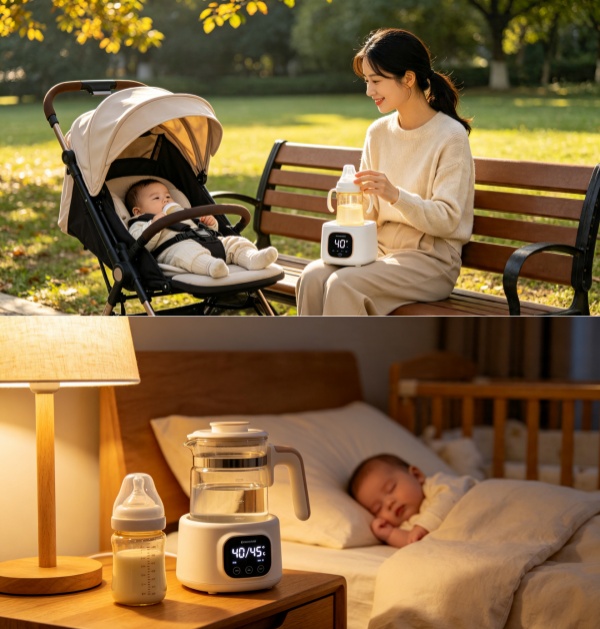
These constant-temperature devices integrate built-in heating systems and lithium battery power supplies. Their core function is to rapidly heat drinking water and hold it at an ideal formula-mixing temperature of 38°C to 45°C. The operating principle is straightforward: heating elements warm the water container, while temperature control chips monitor water temperature in real time and automatically adjust power output to maintain a steady target temperature. Unlike traditional plug-in milk warmers, wireless models come with integrated lithium battery packs, freeing parents from the limits of wall outlets.
However, can this "mobile constant-temperature station" perform reliably when you need it most? Will the battery heat water to the set temperature quickly without keeping a hungry baby waiting? For full-day outings with the whole family, can the power last through multiple milk preparations without shutting down halfway? The answer hinges entirely on the power lithium battery hidden inside the unit.
As the post-90s and post-95s generations become the primary caregivers, refined infant feeding concepts have gained widespread popularity. Combined with advances in lithium-ion energy storage and micro heating technology, portable wireless milk warmers have evolved from household auxiliary tools into essential gear for family trips with babies.
Eliminating the corded restriction of traditional constant-temperature kettles, these warmers enable easy nighttime formula preparation in bedrooms without repeated trips to the kitchen. They suit diverse scenarios including self-driving trips, high-speed rail travel, and outdoor walks with infants, fully removing the stress of searching for hot water and drastically boosting convenience for family life and outings with babies.
Batteries determine the overall experience of portable milk warmers. The industry’s core demands have shifted from fast boiling speed to operational stability, long runtime, vibration resistance, and long-term durability. Four major user pain points need to be addressed: fast and steady heating for fussy babies at night, consistent power for 6–8 milk servings during full-day outdoor trips, stable operation over bumpy terrain, and minimal capacity degradation after long-term use. This shift has driven manufacturers to upgrade battery cells from standard consumer-grade variants to high-capacity, high-discharge-rate cells featuring long cycle life, robust safety protection, and superior vibration resistance.
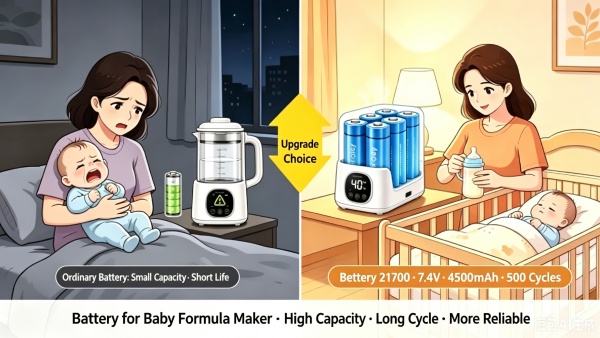
To resolve these industry challenges, BPI has launched the 21700*2S 4500mAh battery pack. Its 7.4V high-voltage platform delivers ample heating power, while two series-connected 21700 cells deliver a large 4500mAh capacity. A full charge supports 6–8 constant-temperature milk preparations, and its 500-cycle IEC-rated service life covers the entire formula-feeding phase of an infant. The brand also offers full customization services: voltage platforms, series-parallel configurations, dimensions, appearances, and protection board functions can be adjusted on demand to match the internal space and power consumption of different milk warmer models, delivering tailored one-device-one-solution designs.
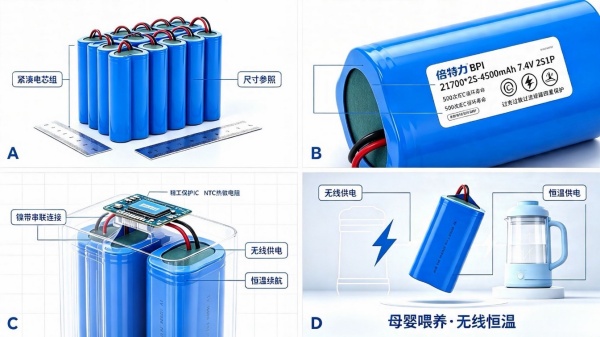
Despite their compact size, portable milk warmers impose far more complex and rigorous design standards on batteries than ordinary digital products, due to their working logic and usage scenarios:
Sustained high-power discharge for heating needs: Milk warmers heat room-temperature water (~25°C) to 40°C–45°C and hold the temperature steady. Heating power typically ranges from 50W to 120W, with some models reaching 150W DC heating power. Batteries must maintain stable voltage under continuous high-current discharge to avoid insufficient heating power and slow temperature rises that leave hungry babies waiting.
All-day runtime assurance: During full-day outings or long-distance travel, the warmer must support multiple milk mixes without sudden power loss. Common customer complaints include "short runtime, only 1–2 uses per full charge" and "battery drains by mid-morning." Batteries require sufficient capacity and high discharge efficiency to satisfy all-day travel needs.
Wide temperature adaptability: Milk warmers are often left inside cars exposed to summer sunlight (over 50°C) or used outdoors in freezing winter conditions. Standard batteries suffer increased internal resistance and reduced discharge capacity in cold weather, while high temperatures accelerate aging and create safety risks. Batteries must operate stably across a broad temperature range.
Long cycle life for frequent daily use: Milk warmers see heavy daily use; newborn care requires 1–2 full charge-discharge cycles daily. Ordinary cells lose significant capacity after only 200–300 cycles, resulting in drastically shortened runtime within one year. Batteries must deliver outstanding cycle stability to preserve consistent performance over years of use.
Vibration resistance and safety for mobile scenarios: Portable milk warmers are frequently jostled, bounced, or dropped inside bags. Battery packs need robust internal structures and firm welding joints to prevent poor contact or circuit breaks from vibration. As devices used directly for infant food preparation, comprehensive safeguards against overcharging, overdischarging, overheating, and short circuits are non-negotiable.
Among all battery technologies, high-performance 21700 lithium-ion cells have become the mainstream power solution for portable milk warmers thanks to balanced comprehensive performance. Compared with traditional 18650 cells, single 21700 units deliver 35%–50% higher capacity. With identical series-parallel layouts, they store far more energy, perfectly meeting milk warmers’ dual requirements of long runtime and high-current discharge.
| Core Demand | 21700 Lithium Cell Solution |
| Extended Endurance | Adopts high-energy-density material systems with single-cell capacity up to 4500–5000mAh. BPI’s 21700*2S 4500mAh pack supports 6–8 milk mixes per full charge, sufficient for full-day outings. |
| Stable High-Current Discharge | Handles continuous high-current draw to easily meet heating power demands, guaranteeing fast temperature rise and precise thermoregulation to cut waiting time for babies. |
| Long Cycle Lifespan | Premium 21700 cells retain over 80% capacity after 500 deep charge-discharge cycles. With one full cycle per day, service life exceeds 1.5 years, far outperforming standard cell benchmarks. |
| Superior Stability & Consistency | Cylindrical steel shell construction delivers excellent shock and vibration resistance, ideal for bumpy travel conditions. Rigorous consistency control ensures long-term stable operation of multi-cell packs. |
| Multi-Layer Safety Protection | Built-in PCM protection board delivers safeguards against overcharging (8.4V±0.05V), overdischarging (5.0V±0.05V), overcurrent, and short circuits, eliminating safety hazards at the source. |
Given the direct link between milk warmers and infant nutrition, BPI prioritizes safety above all for its 21700 battery packs. Integrated NTC thermistors and hardware-grade protection boards cut off circuit power within milliseconds during abnormal overheating, external short circuits, overcharging, or overdischarging to eliminate risks. The cylindrical cell battery pack, paired with professional spot welding and reinforced brackets, endows the battery pack with exceptional shock and impact resistance, delivering reliable performance on the move and peace of mind for every milk preparation.
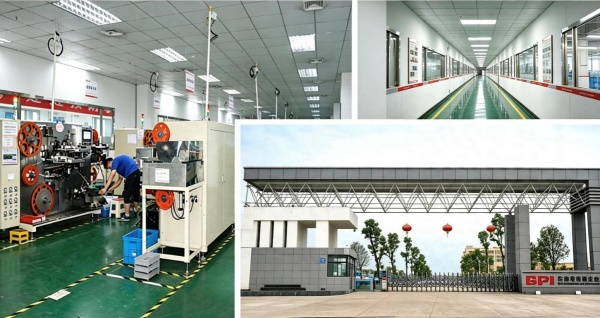
With over two decades of specialized battery manufacturing experience, BPI (Better Power Industry) has built a complete, mature lithium-ion product portfolio and accumulated extensive expertise in high-reliability sectors including personal care and maternal-infant health.
Founded in 2002 and headquartered in Shenzhen, BPI operates two major production bases in Longhua (Shenzhen) and Yichun (Jiangxi), covering a total land area of over 200 mu with more than 1,500 employees. The fully automated Phase III factory of Jiangxi BPI New Energy launched production in 2023, achieving a single-day lithium cell output of over 500,000 units and total daily production of more than 1.5 million assorted batteries.
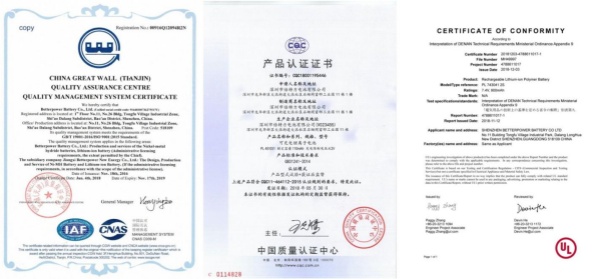
The company holds national honors as a National High-Tech Enterprise and National Specialized, Refined, Distinctive & Innovative "Little Giant" Enterprise. Its products carry global certifications including UN38.3, UL, CE, RoHS, REACH, and KC, and are exported to over 80 countries and regions worldwide. BPI owns more than 200 national patents covering high-discharge-rate cells, low-temperature electrolyte formulas, and battery pack structural design.
Addressing the three core pain points of milk warmers — high power consumption during heating, vibration resistance for mobile use, and long-term cycle durability — BPI developed the 21700*2S 4500mAh battery pack (7.4V, 4500mAh, 2S1P). Two premium 21700 cells connected in series store large energy within a compact footprint to supply robust power to portable milk warmers.
Our product design is fully scenario-driven:
For frequent charge-discharge cycles in milk warmers, we select low-internal-resistance, high-consistency Grade A cells that retain ≥80% capacity after 500 cycles.
For bumpy travel scenarios, reinforced bracket structures and professional spot welding drastically boost the pack’s shock and vibration resistance.
For safety requirements, precision-built protection boards deliver four layers of hardware safeguards against overcharging, overdischarging, overcurrent, and short circuits.
Boasting large capacity, long cycle life, vibration resistance, and intrinsic safety, BPI’s 21700 battery packs deliver trustworthy power support for portable milk warmers.
Standard digital cells are engineered for intermittent loads such as smartphones and tablets. Milk warmers run continuous heating power of 80W–120W for several minutes, generating instantaneous current of 10A–15A. Conventional cells suffer rapid internal polarization and sharp voltage drops, slowing heating speed drastically. For example, heating 120ml water to 40°C takes only 2.5 minutes with qualified batteries, yet far longer with substandard cells, leaving crying babies waiting. After 200–300 high-power cycles, ordinary cells experience severe capacity loss, leading to noticeably shortened runtime after just six months of use.
Milk warmers require 1–2 full charge-discharge cycles daily throughout the newborn stage, qualifying them as high-frequency devices. Battery packs without rigorous cycle testing may degrade to below 60% of rated capacity after one year. A pack originally supporting 6–8 milk mixes per full charge may only deliver 1–2 uses over time, or shut down before reaching 42°C, leading to premature equipment obsolescence and ruined user experience.
Portable milk warmers are constantly jostled, bounced, or dropped inside bags. Battery packs lacking targeted structural reinforcement risk loose internal welding joints and broken protection wires. Minor damage causes intermittent power cuts, while severe failures may trigger internal short circuits and safety hazards.
Stable performance is the foundation; safety is the bottom line. BPI’s 21700*2S 4500mAh battery pack delivers consistent warm care for infants with its large 7.4V/4500mAh capacity, 500 IEC-standard cycles, and four layers of hardware safety protection.
Milk warmers and batteries, constant-temperature systems and power sources — neither can function without the other. Even the most precise temperature control system fails without stable battery power, leaving sleep-deprived parents fumbling with temperature adjustments amid a crying baby’s wails.
BPI never compromises on quality. From cell selection and battery pack encapsulation to protection board design and factory inspection, every battery undergoes strict production standards. The large-capacity 21700 cells extend runtime, while the 500-cycle service life ensures reliable operation year after year. More valuable than technical specifications is BPI’s unwavering commitment to quality over two decades: full-process traceability and verifiable quality for every production batch.
What we deliver is not merely batteries, but the ease of perfectly tempered milk every single time.
BPI 21700 Battery Packs for Milk Warmers — Large Capacity, Long Cycle Life, Greater Peace of Mind.
A: Under typical operating conditions (heating 150–200ml water from ~25°C to 40°C–45°C at ~75W heating power), a full charge enables 6–8 constant-temperature milk mixes (varies slightly based on ambient temperature and standby power draw). BPI’s premium 21700 cells feature stable discharge platforms and high efficiency, ensuring fast heating to the target temperature every time.
A: Yes, it operates normally. BPI’s 21700 cells adopt a low-internal-resistance design to maintain strong discharge performance in cold environments. Additionally, the battery generates mild heat during heating operation, helping sustain normal working temperatures. For extreme low-temperature scenarios, we provide customized low-temperature electrolyte formulations to guarantee rapid heating performance in frigid conditions.
A: Assuming one full charge-discharge cycle per day, 500 cycles equal roughly 1.5 years of regular use — precisely covering the primary formula-feeding window from birth to the introduction of solid foods. BPI batteries retain ≥80% original capacity after 500 cycles. Even after 1.5 years of use, runtime remains above 80% of its original level, vastly outperforming the degradation rates of generic market cells.