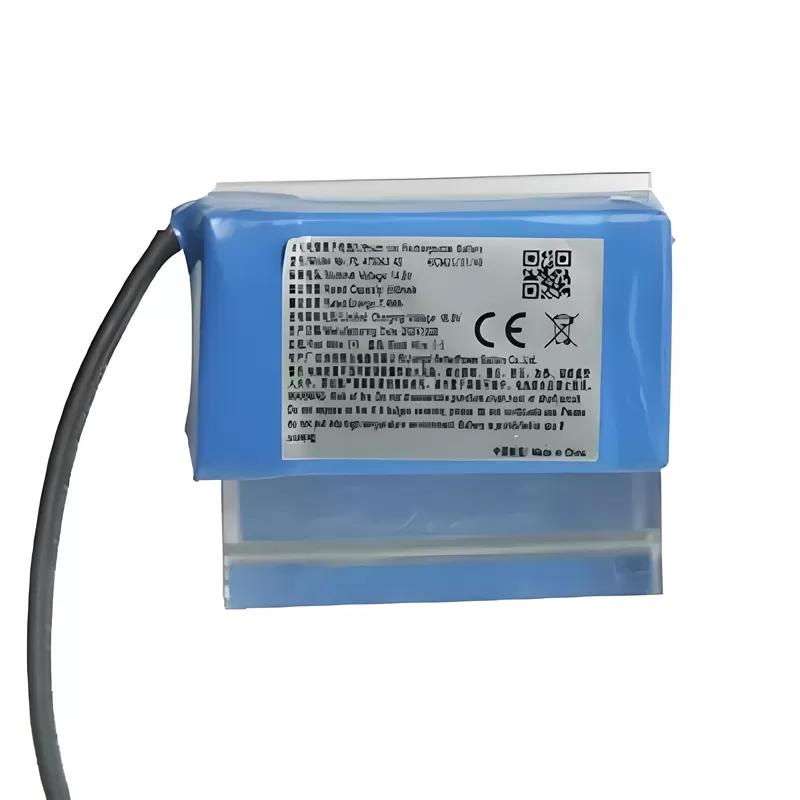
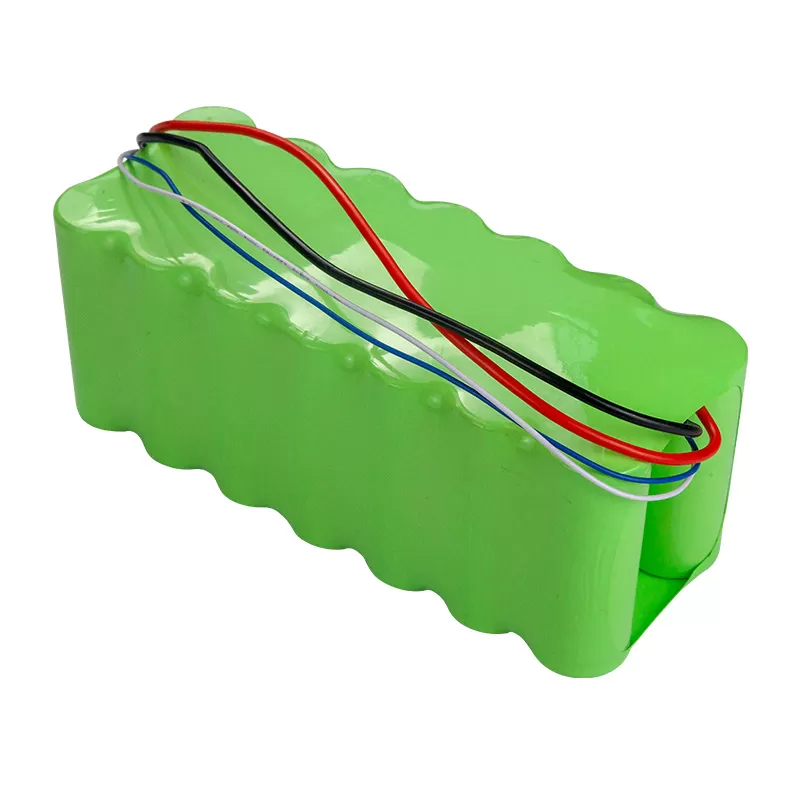
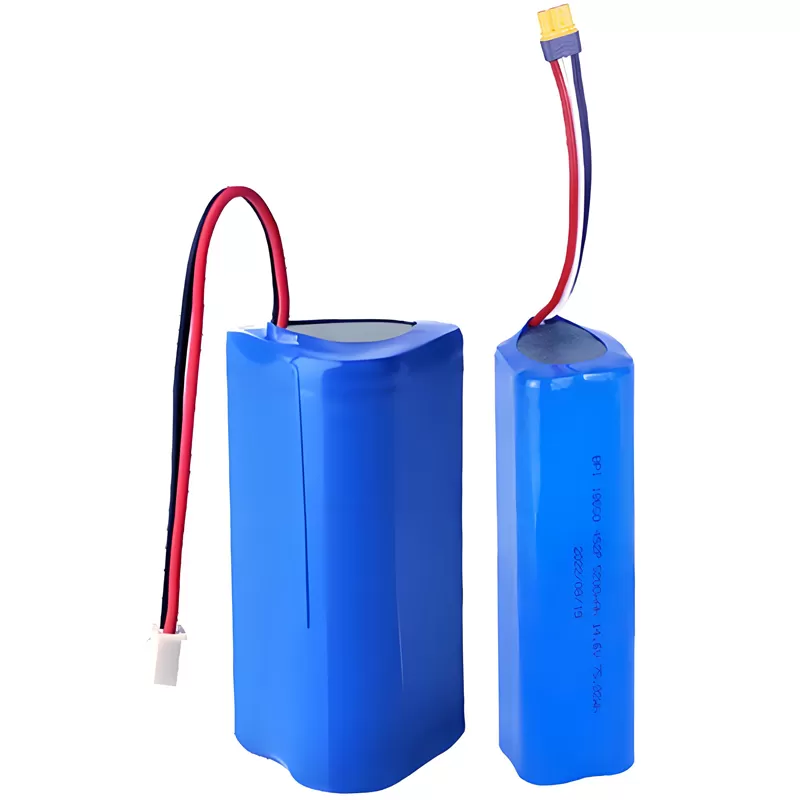
Smart video doorbells have become standard equipment for commercial residential buildings, self-built houses, rental apartments, and retail storefronts. Serving as the core smart home security device for front-door visitor identification, remote video intercom, motion-triggered capture, and home burglary evidence collection, they are now essential accessories for home decoration, property management, and retail stores. Today, smart doorbell products continue to evolve: drill-free magnetic wireless doorbells, ultra-wide-angle HD video doorbells, PIR motion-sensing ultra-long standby doorbells, waterproof outdoor courtyard doorbells, and low-power battery-powered peephole doorbells emerge in endless variety. User expectations for device performance continue to rise: 24/7 standby capture, no swelling or failure under summer outdoor sun exposure, normal wake-up and recording in winter low temperatures, remaining online during long-term unoccupied periods, and no instantaneous power-off or black screen despite frequent door opening/closing triggers.
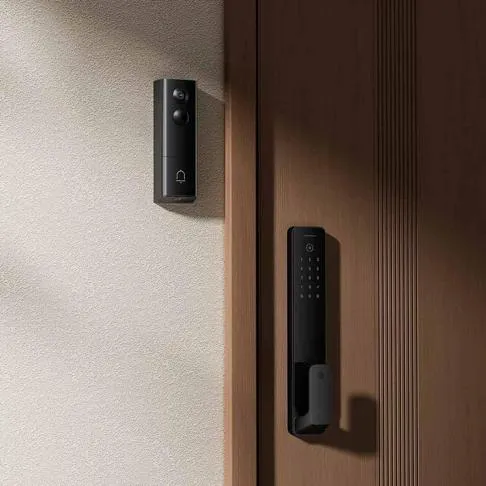
However, extensive customer feedback reveals that doorbells go completely offline after residents have been away for several days, battery life rapidly degrades after frequent visitor-triggered recordings, devices fail to power on after just two or three months of use, and summer outdoor high temperatures cause battery swelling that pushes open the waterproof casing. Most people immediately troubleshoot the camera, mainboard, Wi-Fi module, and motion sensors, overlooking the core component hidden inside the device that supports the entire system's around-the-clock standby operation—the built-in power lithium battery.
With the proliferation of whole-home intelligence and the industry trend toward long-standby home security, the battery paired with smart doorbells is no longer merely a simple energy storage accessory. It has become the core lifeline determining the device's online stability, overall service life, and outdoor usage safety. BPI, with years of deep expertise in lithium battery manufacturing at the source, has developed standardized off-the-shelf polymer cells and customizable complete PACK battery solutions specifically for the complex operating conditions of outdoor smart doorbells. Covering mini peephole models, outdoor waterproof magnetic models, and HD long-endurance full-series doorbell units, BPI optimizes every aspect from cell substrate materials, low-temperature wide-temperature electrolyte, sealed waterproof packaging, and intelligent BMS multi-layer protection systems. These solutions address industry-wide pain points including short standby time, poor temperature tolerance, weak shock resistance, and rapid capacity degradation, providing long-lasting, safe, and stable built-in power support for all types of smart doorbell devices.
Smart doorbell devices are compact and slim, with very limited internal battery compartment space. However, the complex all-weather indoor and outdoor usage environment imposes stringent standards on the paired lithium battery far exceeding those of ordinary digital products:
1. Frequent Vibration, Impact, and Shock Resistance: Door opening/closing, visitor pressing, rain and sand impact, and human-caused knocks generate continuous vibration. Cell tabs and weld points are highly susceptible to metal fatigue fracture. Inferior cells used over the long term can experience internal open circuits, causing the doorbell to go offline and become unresponsive.
2. Ultra-Wide Temperature Range Outdoor Stable Discharge: Summer outdoor wall exposure temperatures can reach 60–70°C, while northern winter open-air corridor minimum temperatures can drop below -20°C. Ordinary cells swell and bulge at high temperatures, and suffer severe capacity drops at low temperatures, making standby wake-up impossible when no visitors are present.
3. High Energy Density in Compact Bodies: Peephole-style and ultra-thin magnetic doorbells feature compact internal structures, predominantly ultra-thin, irregular, and miniature bodies. This requires cells to achieve higher capacity within limited volume without encroaching on space for the lens, mainboard, and sensor modules.
4. Ultra-Low Self-Discharge for Long-Absence Long Standby: Extended absence and vacant properties are core usage scenarios. Cell self-discharge rates must be controlled at extremely low levels, retaining sufficient charge after 7–15 days away from home, ready to trigger human-body sensing and visitor capture recording at any time.
5. High-Cycle Charge/Discharge Durability: Multiple daily visitor triggers, high-frequency wake-up recordings, and repeated charge/discharge cycles cause inferior cells to suffer severe capacity degradation within just a few months, cutting standby time in half and significantly increasing device manufacturers' after-sales repair costs.
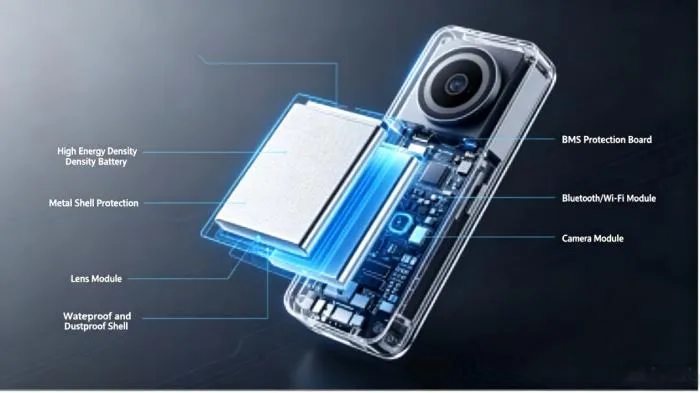
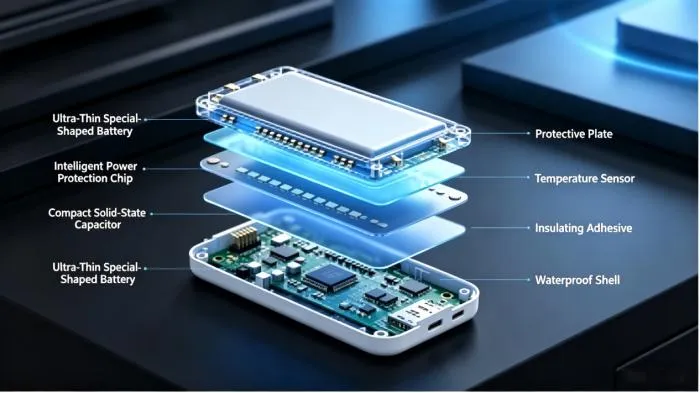
Among various battery technology routes, high-performance polymer lithium batteries have become the mainstream supporting solution for the smart doorbell industry by virtue of their comprehensive performance advantages, perfectly matching all core requirements of security devices:
Stable operating range of -20°C to 70°C. Resistant to gas swelling and bulging under outdoor sun exposure; controllable discharge capacity degradation in severe winter low temperatures; stable online operation throughout all four seasons; long standby during extended absences and vacant properties. Cell monthly self-discharge rate below 3%, paired with a low-power-consumption BMS protection board. During long-term absence and vacancy, the device remains on continuous standby, with human-body sensing and visitor capture functions ready to trigger at any time. Standard cells maintain over 80% capacity retention after 500 cycles with low repair rates for high-frequency wake-up charge/discharge.
Multi-Layer Safety Assurance for Outdoor Security Use: Full series passes UN38.3 and IEC62133 international safety certifications. Built-in NTC thermistor temperature control; hardware-level overcharge, over-discharge, short-circuit, and overcurrent multi-layer protection. Eliminates fire and swelling hazards for outdoor use.
BPI possesses a complete industry chain encompassing independent cell R&D, mass production manufacturing, and PACK assembly. With years of deep cultivation in the smart home and outdoor security supporting battery sectors, BPI has accumulated extensive supporting and deployment experience for smart doorbells and peephole devices. Its products cover ultra-thin miniature, large-capacity long-standby, and outdoor weather-resistant multi-series polymer cells, enabling dedicated matching and customized development for smart doorbells of different external structures.
Addressing the two core industry pain points of smart doorbells—"frequent outdoor knocks and vibration" and "extreme high and low temperatures in winter and summer"—BPI implements targeted optimization during the cell production stage: thickened and widened tab welding points to reinforce internal cell structural stability. After multiple rounds of outdoor vibration and impact fatigue simulation testing, issues of weld point detachment and internal wire breakage causing offline operation are completely eliminated. The electrolyte and positive/negative electrode material system is optimized to substantially improve high- and low-temperature outdoor discharge stability, solving industry problems of summer sun exposure swelling and winter low-temperature power deficiency preventing wake-up.
The factory strictly controls cell consistency, with voltage differentials among cells in the same batch controlled within an extremely narrow range. Batch installation will not result in excessive standby time variation among individual doorbells, facilitating unified standardized quality control production for doorbell manufacturers. In addition to standard off-the-shelf bare cells, integrated PACK finished batteries are also available, paired with customized BMS protection boards, different specification output terminals, and waterproof insulation packaging. Customers receive batteries ready for direct assembly and installation, eliminating secondary processing steps and significantly reducing production man-hours and material processing costs.
The full product series is supported by complete compliant qualification documentation, with comprehensive test reports for UN38.3, MSDS, RoHS, and CE. Whether for domestic home decoration brands, hardware security manufacturers, or cross-border e-commerce foreign trade export orders, all certification requirements for domestic market access and overseas customs clearance are fully met.
Many purchasers, seeking to compress costs, select ordinary digital cells designed for earphones and power banks to pair with smart doorbells. These cells lack dedicated optimization for shock resistance and wide-temperature weather resistance. When installed outdoors and subjected to long-term knocks and vibration, internal weld detachment is highly likely, causing frequent offline operation and capture failure. In summer outdoor high-temperature environments, gas swelling and bulging are highly probable, and in severe cases, short-circuit and fire safety risks exist. Device after-sales return rates remain high, severely damaging brand reputation and customer trust.
Some low-cost suppliers' cells suffer from capacity inflation, where labeled high capacities deliver substantially reduced actual effective capacity. Simultaneously, poor cell self-discharge control causes complete power drain after just 3–5 days of owner absence, rendering human-body sensing and visitor recording functions completely ineffective. Moreover, cycle life is extremely low, with standby time degrading severely after just 1–2 months of use, leading to a surge in end-user complaints. All BPI cells feature real labeled capacities with no inflation, and are shipped with complete performance test reports. All parameters are authentic and verifiable, eliminating from the source the dual risks of after-sales issues and safety hazards brought by inferior cells.
In outdoor smart home security products, the battery is the component most easily overlooked, yet it directly affects the device's online duration, capture sensitivity, and usage safety. Smart doorbells are no exception. Long-lasting away-from-home standby, all-weather stable capture in heat and cold, and safe and reliable long-term outdoor use all depend on a high-quality polymer lithium battery adapted to complex outdoor operating conditions.
Oriented toward real front-door security scenarios for home residences, BPI polymer lithium batteries rely on a stringent full-process quality control system to ensure stable cell performance, full-process traceability, and controllable outdoor usage risks. Whether for ultra-thin hidden peephole doorbells or outdoor waterproof long-endurance video doorbells, BPI can provide matched standardized cells or customized complete PACK battery solutions, supplying stable batch shipments to smart doorbell manufacturers and effectively reducing supply chain procurement costs and after-sales maintenance losses.
For smart video doorbell built-in lithium batteries, choose long-lasting standby, shock-resistant high- and low-temperature durability, and outdoor safety compliance—choose BPI!
Q: Does BPI's smart doorbell dedicated battery support size customization according to the doorbell's ultra-thin casing and waterproof structure?
A: Yes. Dozens of standard off-the-shelf cell models are available for direct free sample testing. For special irregular and ultra-thin peephole battery compartments, customized length, width, and thickness specifications can be developed on demand, with ultra-thin cells available down to below 3 mm.
Q: Can the battery ensure that the doorbell remains capable of normal sensing and visitor capture after the owner has been away for over ten days?
A: The full series features monthly self-discharge ≤ 3%, paired with a low-power-consumption customized BMS solution. Large-capacity models can support continuous standby operation for over ten days of vacant property, with human-body sensing, remote video, and motion-triggered capture functions operating normally. Perfectly adapted to long-term away-from-home security needs.
Q: Does the product possess complete certification documentation required for overseas export?
A: Full qualifications available. Products have passed globally mainstream safety and environmental certifications including UN38.3, IEC62133, CE, and RoHS. MSDS, air freight, and sea freight appraisal reports can be provided, fully supporting cross-border e-commerce and foreign trade order customs clearance.
Q: Is small-batch sample prototyping supported?
A: Yes. Single-piece small samples can be ordered to confirm dimensions, capacity, and weather-resistant shock-resistant performance. Bulk orders can negotiate tiered pricing and stable delivery cycles, adapted to the supply chain needs of startup smart home brands and small-to-medium security electronics factories.