When selecting a power source for modern applications, the debate often boils down to two heavyweights: Lithium Iron Phosphate (LiFePO4) and traditional Lithium-ion (usually NMC or NCA chemistry). While both represent a massive leap forward from lead-acid technology, their differences are profound. For businesses and engineers looking for a reliable LiFePO4 battery supplier, understanding these nuances is the key to long-term project success.
At the most basic level, “Lithium-ion” is an umbrella term for a family of chemistries. Traditional Lithium-ion batteries typically use Nickel Manganese Cobalt (NMC) or Lithium Cobalt Oxide (LCO). LiFePO4 (LFP), on the other hand, uses iron phosphate as the cathode material.
BPI (Shenzhen Better Power Battery Co., Ltd.), a leader in the energy sector since 2002, has increasingly prioritized LiFePO4 technology due to its unique combination of safety and durability. While traditional lithium-ion excels in high-energy-density consumer electronics, LFP is the champion of stability and cycle life.
A fundamental difference lies in their nominal voltage. Standard Lithium-ion cells typically operate at 3.6V or 3.7V. LiFePO4 cells have a slightly lower nominal voltage of 3.2V. This means that to build a 12V battery pack, you need four LiFePO4 cells in series, whereas standard lithium packs might require a different configuration to match specific voltage requirements.
Standard Lithium-ion (NMC) batteries generally have a higher energy density, meaning they can pack more power into a smaller, lighter package. This is why they are found in smartphones and high-performance electric cars. LiFePO4 is slightly heavier and bulkier, though it remains significantly lighter than lead-acid alternatives.
This is where LiFePO4 shines. A high-quality LFP battery from BPI can provide between 2,000 and 6,000 charge cycles before dropping to 80% capacity. Traditional Lithium-ion batteries typically last only 500 to 1,000 cycles. For long-term infrastructure, LFP is the clear winner.
| Feature | LiFePO4 (LFP) | Lithium-ion (NMC) |
|---|---|---|
| Nominal Voltage | 3.2V | 3.6V / 3.7V |
| Cycle Life | 2,000 - 6,000+ | 500 - 1,000 |
| Safety Threshold | ~270°C (High) | ~150°C - 210°C (Moderate) |
| Energy Density | Moderate | High |
| Environmental Impact | Cobalt-Free (Eco-friendly) | Contains Cobalt/Nickel |
The primary safety concern with lithium batteries is “thermal runaway”—a self-heating cycle that can lead to fire. LiFePO4 has a much higher thermal runaway threshold. Its iron-phosphate chemical bond is stronger than the cobalt-oxide bond found in standard lithium batteries, making it much harder for LFP cells to overheat.
In real-world applications—such as punctures, short circuits, or heavy vibrations—LiFePO4 is virtually non-combustible. This inherent safety is why BPI’s IATF 16949-certified facilities produce LFP solutions for high-stakes environments like medical equipment and solar backup systems.
Both chemistries charge quickly, but LiFePO4 offers a much “flatter” discharge curve. This means the battery provides consistent power until it is nearly empty, whereas standard lithium batteries see a more noticeable voltage drop as they drain.
LiFePO4 performs exceptionally well in high temperatures, maintaining its stability where NMC might degrade. While standard lithium-ion has a slight edge in sub-zero discharge performance, modern LFP batteries (like those from BPI) are now engineered to operate reliably from -20°C to 60°C.
LiFePO4 batteries can be discharged to 90% or even 100% of their capacity without significant damage to the cell’s health. Standard lithium batteries are usually kept within a 20% to 80% range to prevent premature degradation.
Due to the sheer size of the low-speed vehicle industry, the initial price per kilowatt-hour for standard lithium-ion batteries is typically low. However, lithium iron phosphate (LiFePO4) batteries are more economical when considering cycle life. While you might need to replace a standard lithium battery twice over 10 years, a BPI lithium iron phosphate battery will still maintain optimal performance.
LiFePO4 is a “fit-and-forget” technology. Its low self-discharge rate and high stability mean fewer replacements and zero maintenance, drastically reducing the labor costs of managing large battery banks.
For solar storage, LiFePO4 is the undisputed king. Its safety and ability to handle daily deep discharges make it perfect for off-grid homes. Users often connect LiFePO4 batteries in series to create 24V or 48V systems, allowing them to power heavy household appliances reliably for years.
In the RV and marine world, weight is a concern, but safety is paramount. LiFePO4 replaces heavy lead-acid batteries with a safe, lightweight alternative that can survive the constant vibrations of travel without the fire risk associated with NMC lithium.
For ultra-compact devices like smartphones or medical wearables where every millimeter counts, standard lithium-ion remains the go-to. However, for portable medical carts or larger IoT hubs, LiFePO4 is increasingly preferred for its stability and “National High-Tech” manufacturing standards.
As a premier LiFePO4 battery supplier, BPI recommends LFP for any application where safety, longevity, and sustainability are the primary goals. By eliminating toxic heavy metals like cobalt, BPI’s LFP solutions offer an eco-friendly power source that doesn’t sacrifice performance.
With 20 years of expertise, 1,400+ employees, and a 130,000-square-meter industrial park, BPI provides the manufacturing rigor and R&D depth required to scale these technologies globally. Whether you are building a custom industrial robot or a massive solar farm, LiFePO4 remains the most reliable investment for the future of energy.
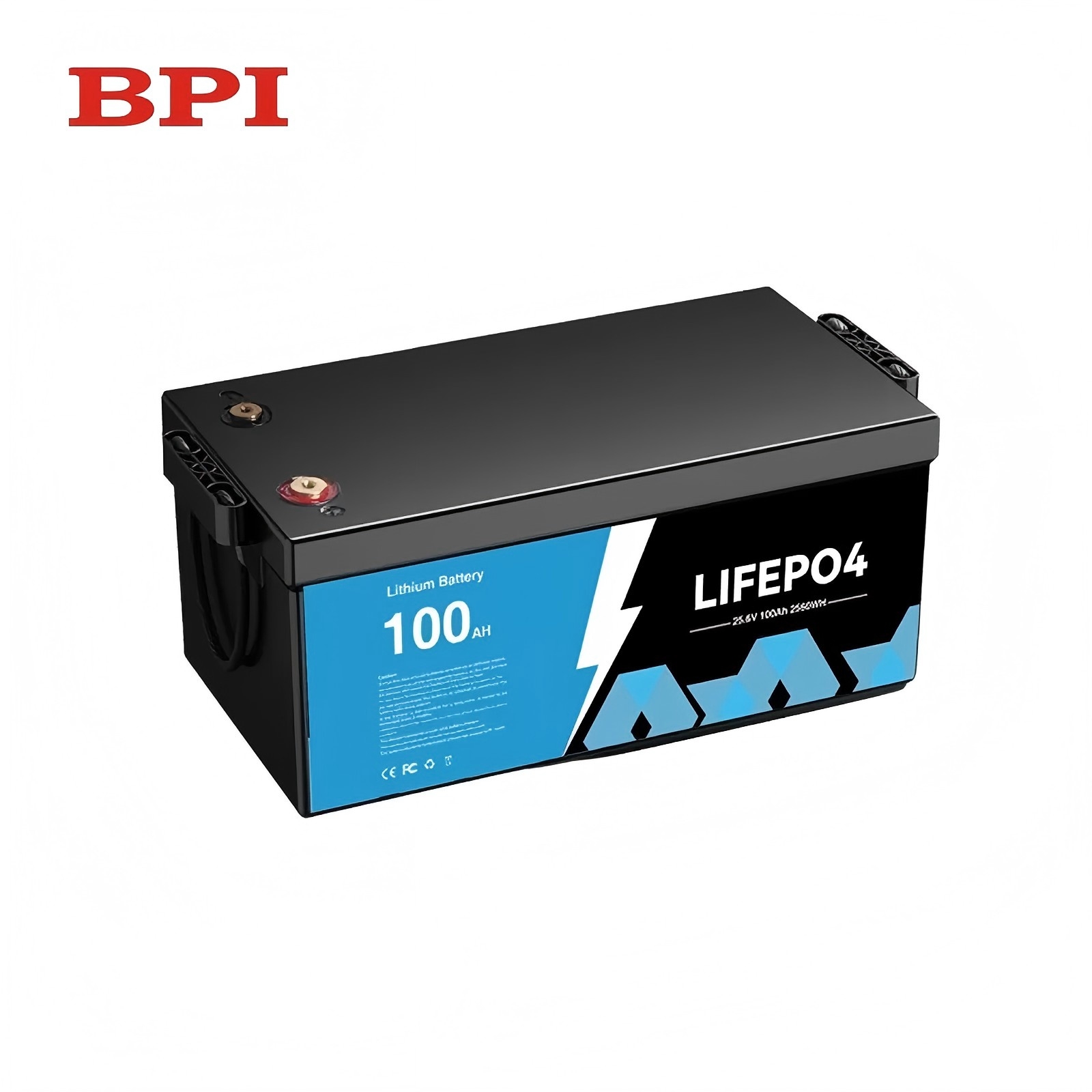
We do not recommend using a lead acid charger with LiFePO4 batteries as lead acid batteries charge at a lower voltage than LiFePO4 batteries require. As a result, SLA chargers will not charge your batteries to full capacity. Furthermore, chargers with a lower amperage rating are not compatible with lithium batteries.
When LiBs fail, they can undergo thermal runaway. This involves violent bursting of one or multiple battery cells, hissing and release of toxic, flammable and explosive gases, and an intense, self-sustaining fire.
Unlike older battery technologies, lithium batteries don't suffer from memory effect, so charge them after each significant use rather than waiting for deep discharge. LiFePO4 batteries actually prefer partial discharge cycles, and keeping them between 20-80% charge when possible can extend their lifespan.
One of the most frequent and damaging LiFePO4 charging errors is using a charger designed for lead-acid batteries. While it might seem to work initially, lead-acid chargers have different charging profiles that are harmful to LiFePO4 cells