The global transition to renewable energy has sparked a massive demand for safer, more efficient energy storage. At the heart of this revolution is the Lithium Iron Phosphate (LiFePO4) battery. Whether you are an engineer looking for a reliable LiFePO4 battery supplier or a homeowner exploring solar storage, understanding the nuances of this technology is critical. In this guide, we dive deep into why LiFePO4 has become the gold standard for modern power.
A LiFePO4 battery is a type of lithium-ion battery that uses lithium iron phosphate as the cathode material and a graphitic carbon electrode with a metallic backing as the anode. Unlike traditional cobalt-based lithium batteries (NMC), LiFePO4 (LFP) chemistry is prized for its extreme stability and non-toxic nature.
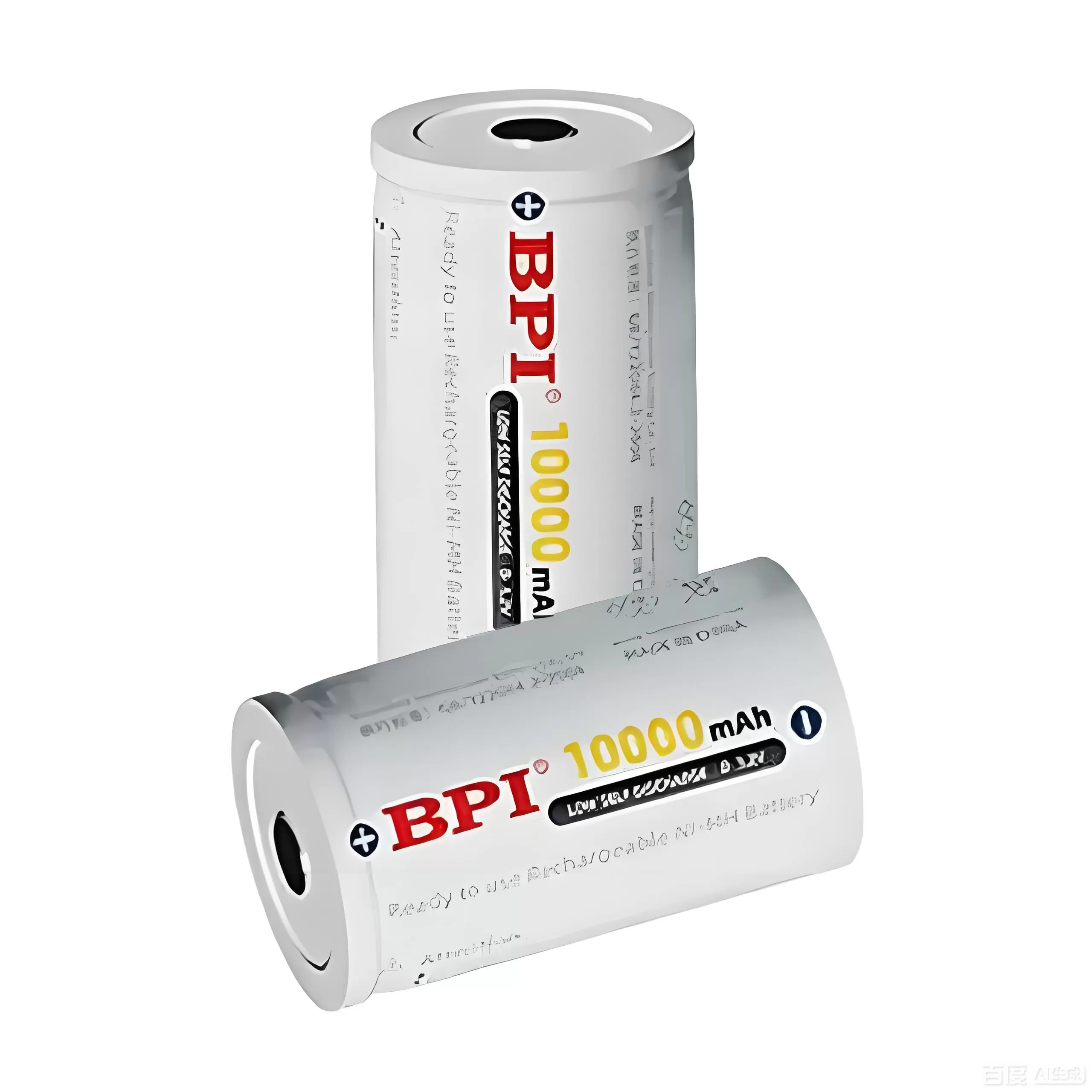
For industry leaders like BPI (Shenzhen Better Power Battery Co., Ltd.), the shift toward LFP chemistry represents a commitment to both performance and safety. Since 2002, BPI has leveraged its advanced manufacturing facilities to produce LFP cells that power everything from medical devices to massive industrial AGVs.
Safety is the most cited reason for switching to LFP technology. Traditional lithium-ion batteries are prone to thermal runaway if damaged or overcharged. LiFePO4, however, is significantly more resilient.
The chemical bond in LiFePO4 is much stronger than that in other lithium-ion chemistries. This results in superior thermal stability. LiFePO4 batteries have a higher thermal runaway threshold (nearly 270°C to 500°C), meaning they are far less likely to catch fire or explode even under extreme stress, puncture, or short circuits. This makes them the safest choice for high-stakes environments like marine vessels and residential homes.
When evaluating energy storage, the “Total Cost of Ownership” is more important than the initial price. LiFePO4 batteries offer a lifespan that traditional lead-acid batteries simply cannot match.
A typical lead-acid battery provides 300 to 500 cycles. In contrast, premium LiFePO4 solutions, such as those produced by BPI Battery, offer between 2,000 and 6,000 cycles at an 80% depth of discharge (DOD).
Calendar Life: With proper care, these batteries can last over 10 years.
Efficiency: They maintain a high discharge voltage throughout the cycle, meaning the power doesn’t “fade” as the battery drains.
| Feature | LiFePO4 (LFP) | Lead-Acid | Standard Lithium (NMC) |
|---|---|---|---|
| Cycle Life | 2,000 - 6,000+ | 300 - 500 | 500 - 1,000 |
| Safety | Very High | Moderate | Moderate/Low |
| Weight | Lightweight | Very Heavy | Lightweight |
| Maintenance | Zero | High (Watering) | Zero |
| Eco-Friendliness | Cobalt-Free | Lead/Acid Toxins | Contains Cobalt/Nickel |
To maximize the life of your battery, understanding its specific charging needs is essential.
LiFePO4 batteries require a specific charging profile known as CC/CV (Constant Current/Constant Voltage).
Bulk/Absorb: Usually between 14.4V and 14.6V for a 12V system.
Float: Around 13.5V to 13.8V.
Unlike lead-acid, LFP batteries do not need an “Equalization” stage, which can actually damage the cells.
Yes, it is safe, especially because most modern LFP batteries include a BMS that manages the top-end charge. However, for maximum longevity, many experts recommend charging to 90-95% for daily use and only hitting 100% occasionally to allow the BMS to balance the cells. BPI batteries are engineered with high-precision BMS to handle daily 100% charging safely, ensuring you always have maximum capacity when you need it.
You may have heard that LiFePO4 batteries are “intelligent.” This intelligence comes from the Battery Management System (BMS).
Without a BMS, a lithium battery is vulnerable. The BMS acts as a digital guardian, performing several critical tasks:
Cell Balancing: Ensures all cells stay at the same voltage.
Temperature Protection: Cuts off charging if it’s too cold (below 0°C) or too hot.
Over-Voltage/Current Protection: Shuts down the battery if electrical limits are exceeded.
BPI’s proprietary BMS technology is a key differentiator, providing an extra layer of “active protection” for every cell we manufacture.
Because of their high energy density and safety, LFP batteries are being adopted across virtually every industry.
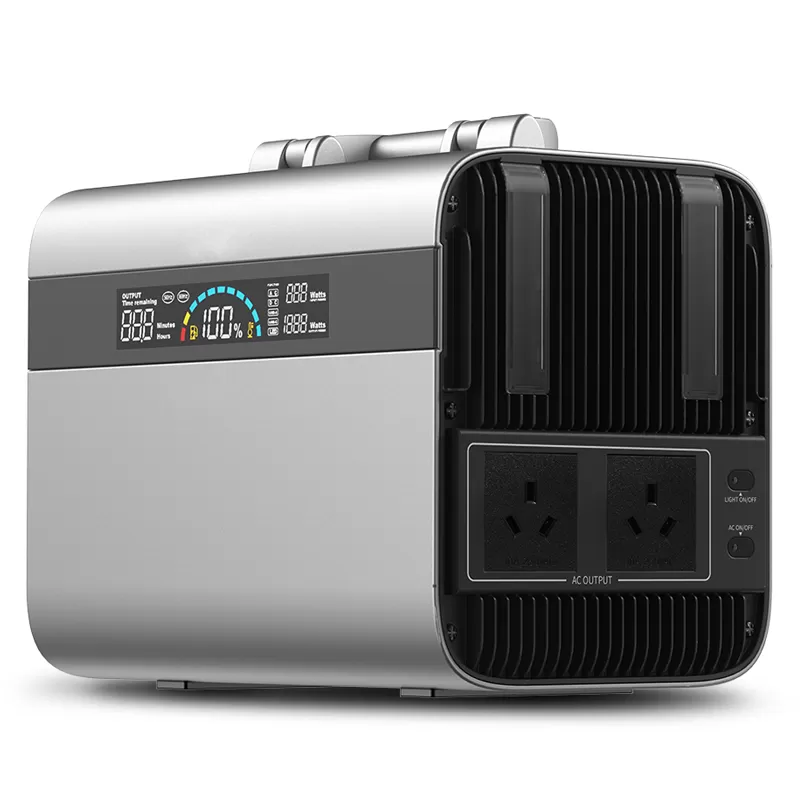
LFP is the ideal partner for solar panels. They can handle the daily cycling required for off-grid living and provide reliable backup power during outages. For large-scale systems, users often connect multiple LiFePO4 batteries in series to achieve higher voltages (e.g., 24V or 48V systems) required for high-capacity inverters.
Beyond large systems, LFP technology is found in:
Electric Golf Carts: Lighter weight means better speed and less turf damage.
Telecommunications: Reliable backup power for cell towers.
Industrial AGVs: 24/7 robotic operations with fast-charging capabilities.
Selecting the right partner is vital for project success. As a premier LiFePO4 battery supplier, BPI brings have 24 years decades of experience to the table. With a daily capacity of 1.5 million cells and a 150,000-square-meter state-of-the-art industrial park, BPI combines the scale of a global giant with the precision of a high-tech innovator.
Whether you are looking for custom OEM battery packs or high-performance standard units, BPI’s IATF 16949-certified facilities ensure that every battery meets the highest international quality standards.
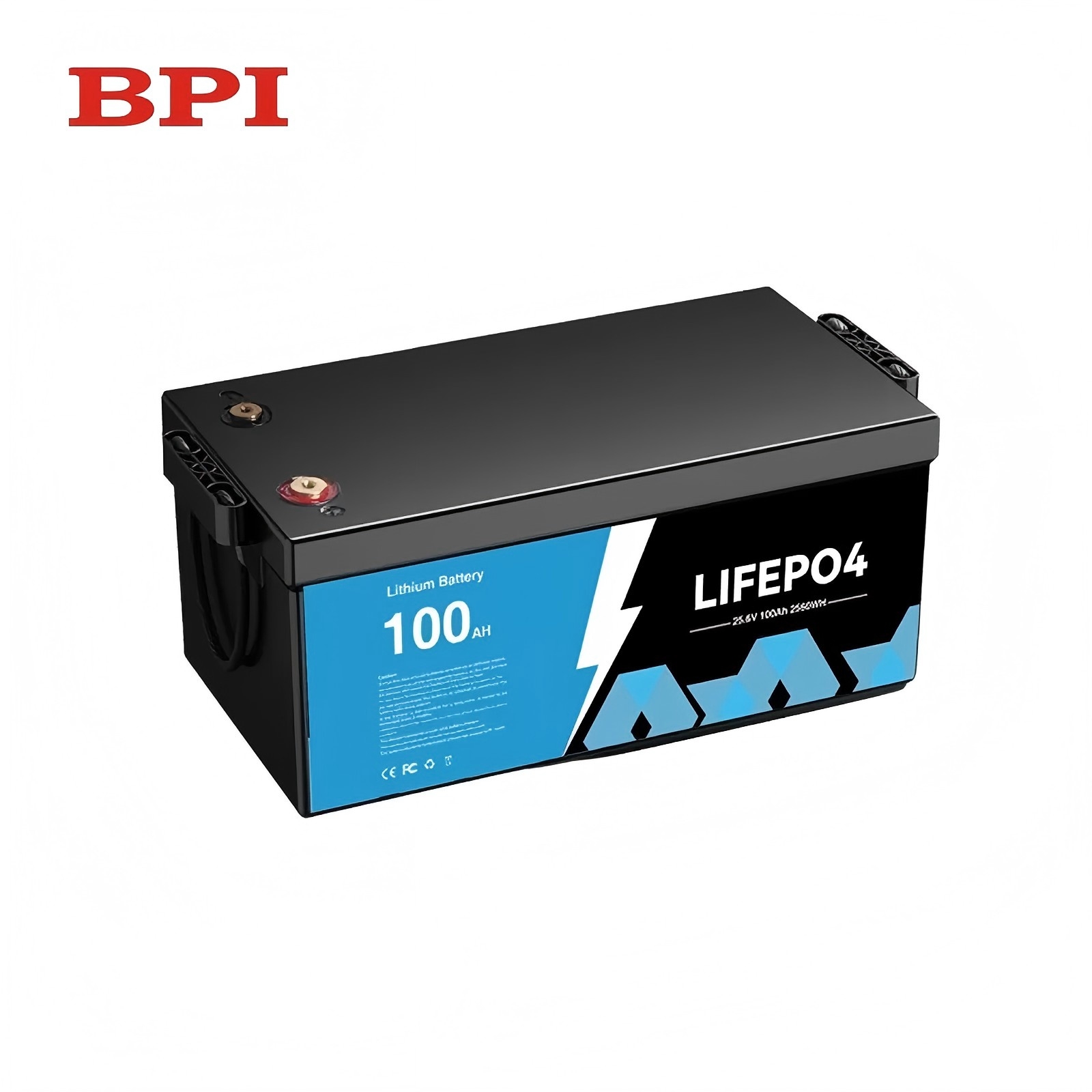
LiFePO4 has a longer lifespan than lithium ion, giving it an edge if you're aiming to get the best value, and it is more stable. On the other hand, however, lithium ion usually requires less maintenance and is cheaper, particularly in the short term, but it is more prone to overheating.
Can you charge LiFePO4 with a normal charger? It is generally not recommended. It may not be fully charged and may affect the performance and lifespan of lithium iron phosphate batteries or even pose a safety risk. Therefore, it is recommended to use a special LiFePO4 charger to charge LiFePO4 batteries.
Although leaving the charger connected is usually safe, storing LiFePO4 batteries long-term at 100 percent state of charge is not always optimal for maximum lifespan. Many manufacturers recommend storage between 40 and 70 percent state of charge for extended inactivity.
Are LiFePO4 Starter Batteries for Electric Cars? No, electric cars don't have traditional engines that require cranking, so they don't need a starter battery in the same way gas-powered cars do. Instead, EVs rely on large, high-capacity battery packs that store energy for the motor.