A gamepad battery is the rechargeable power source used in wireless game controllers, handheld gaming accessories, and custom gaming devices. As gaming sessions become longer and wireless controllers become more advanced, battery performance directly affects user experience, product reliability, charging convenience, and brand reputation.
For gaming device brands, accessory manufacturers, and battery buyers, the best gamepad battery is not only about capacity. It must balance runtime, size, weight, voltage stability, safety, charging method, cycle life, and mass-production consistency. BPI Battery provides rechargeable battery solutions for game controllers, including NiMH batteries, lithium polymer batteries, and custom battery packs for different controller designs.
A gamepad battery is a compact rechargeable or replaceable battery designed to power wireless game controllers with stable voltage and long runtime. Most controllers use either replaceable AA/AAA batteries, rechargeable NiMH battery packs, or built-in lithium polymer battery packs.
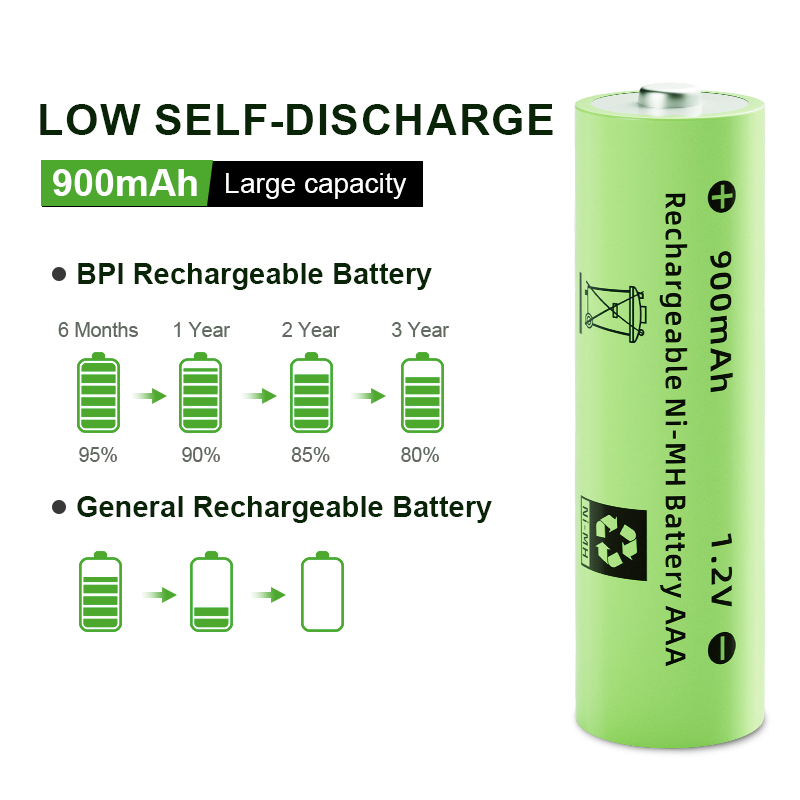
For many mainstream wireless controllers, AA or AAA NiMH batteries remain practical because they are easy to replace, safe, reusable, and cost-effective. BPI’s gamepad battery solutions include 2.4V NiMH battery pack options with capacities such as 800mAh, 1100mAh, 1400mAh, 1800mAh, and 2000mAh, with an IEC lifespan of around 500 cycles.
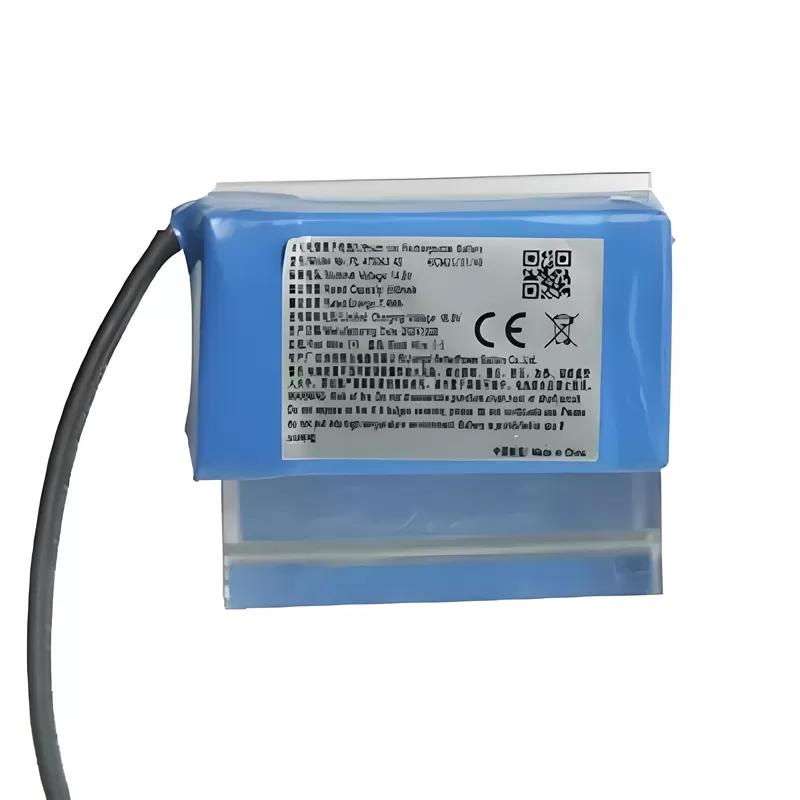
Built-in rechargeable controllers often use lithium polymer batteries because they are thin, lightweight, and flexible in shape. BPI’s lithium polymer batteries offer platform voltages above 3.7V, continuous discharge rates of 10C–20C, and cycle life exceeding 500 cycles, making them suitable for compact handheld electronics and gaming accessories.
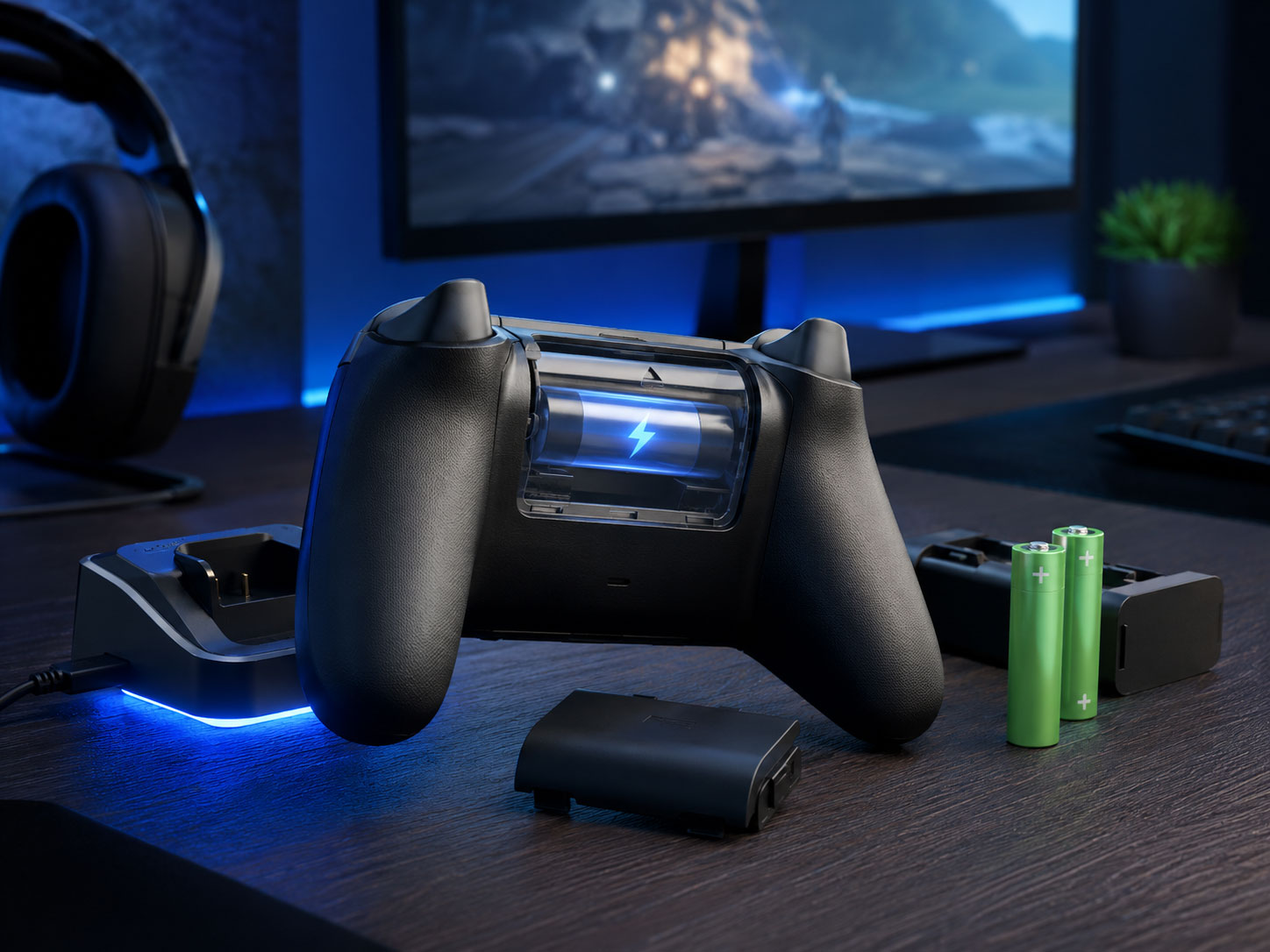
A NiMH or lithium gamepad battery should be selected according to controller structure, charging design, target price, runtime requirement, and safety strategy. There is no single best battery for every controller; the right choice depends on whether the product uses replaceable cells or a built-in rechargeable design.
| Battery Type | Typical Voltage | Key Advantage | Typical Use Case | Buyer Consideration |
|---|---|---|---|---|
| AA/AAA NiMH Battery | 1.2V per cell | Replaceable, reusable, cost-effective | Wireless controllers using standard battery slots | Good for long-term replacement sales |
| NiMH Battery Pack | Usually 2.4V for 2-cell packs | Stable output and simple charging | Xbox-style controller packs and third-party gamepads | Requires proper pack size and connector design |
| Lithium Polymer Battery | 3.7V+ | Thin, lightweight, high energy density | Built-in rechargeable gamepads and handheld devices | Requires protection circuit and safe charging design |
| Alkaline Battery | 1.5V per cell | Easy to buy and replace | Entry-level or occasional-use controllers | Not rechargeable, higher long-term cost |
For controllers with standard battery compartments, NiMH batteries are usually the most economical rechargeable option. For slim, premium, or integrated gamepads, lithium polymer batteries are often preferred because they allow thinner product design and better internal space utilization.
A gamepad battery supplier should be evaluated by battery chemistry expertise, customization capability, safety design, quality control, and stable mass-production capacity. Game controller batteries are small components, but poor battery performance can quickly lead to user complaints such as short runtime, swelling, overheating, slow charging, or connection failure.
For custom gamepad projects, buyers should confirm capacity, voltage, cell size, pack dimensions, connector type, wire length, protection circuit, charging current, cycle life, storage performance, and certification support. A reliable supplier should also provide sample testing, production consistency, and technical communication during product development.
BPI Battery supports rechargeable battery customization through battery packs, NiMH packs, lithium polymer packs, and application-specific solutions. For built-in lithium packs, safety is especially important because lithium-ion batteries can create fire risks if poorly designed, damaged, overcharged, or used with unsuitable chargers. The U.S. Consumer Product Safety Commission’s guide to lithium-ion battery safety is a useful external reference for understanding consumer battery safety risks.
Gamepad battery safety means designing, using, storing, recycling, and transporting batteries in a way that reduces risks of overheating, leakage, short circuit, swelling, fire, and premature failure. This is especially important for gaming accessory brands that sell batteries or rechargeable controllers globally.
For end users, batteries should be charged with compatible chargers, kept away from high heat, and replaced if they are swollen, leaking, physically damaged, or unusually hot. For brands and distributors, battery packaging and logistics must also be considered. PHMSA’s lithium battery transportation requirements explain that lithium batteries are regulated during air, highway, rail, and water transport.
Recycling is another important part of product responsibility. Lithium-ion and lithium polymer batteries should not be thrown into household trash or regular recycling bins. The U.S. EPA recommends sending used lithium-ion batteries to certified electronics or battery recyclers, as explained in its guide to used lithium-ion battery recycling. For gaming brands, clear battery disposal instructions can improve user safety and support environmental compliance.
A high-quality gamepad battery improves controller runtime, charging convenience, safety, and overall gaming experience. NiMH batteries are a strong choice for replaceable AA/AAA controller designs, while lithium polymer batteries are better suited for slim, built-in rechargeable gamepads and premium gaming accessories.
BPI Battery, founded in 2002, provides rechargeable battery solutions for game controllers, consumer electronics, smart devices, power tools, medical equipment, and energy storage applications. With experience in NiMH batteries, lithium polymer batteries, and custom battery packs, BPI can help gaming device brands develop reliable battery solutions from sample design to mass production.
For controllers with replaceable battery slots, rechargeable NiMH AA or AAA batteries are usually practical and cost-effective. For built-in rechargeable controllers, lithium polymer batteries are often preferred because they are thin, lightweight, and customizable.
Yes. NiMH batteries are rechargeable, stable, economical, and reusable for hundreds of cycles, making them suitable for many wireless game controllers.
Yes. Lithium polymer batteries are suitable for slim and built-in rechargeable gamepads because they offer high energy density, flexible shape design, and lightweight structure.
Battery life depends on capacity, controller power consumption, vibration use, LED lighting, wireless connection, and charging habits. BPI game controller battery options include 800mAh to 2000mAh NiMH packs with around 500-cycle IEC lifespan.
Yes. Gamepad batteries can be customized by voltage, capacity, size, connector, wire length, protection circuit, battery chemistry, and charging method.
BPI Battery offers NiMH batteries, lithium polymer batteries, and custom battery packs for game controllers and other electronics, supported by rechargeable battery manufacturing experience, application knowledge, and OEM/ODM customization capability.