Massager batteries are rechargeable power sources designed to support stable vibration, heating, portability, and safe human-contact use in electric massage devices. From massage guns and neck massagers to shoulder belts, eye massagers, and handheld wellness tools, battery performance directly affects runtime, comfort, safety, noise control, and product reliability.
For wellness device brands and OEM buyers, a massager battery should not be selected only by capacity. The right battery must match motor power, heating demand, device shape, charging speed, temperature control, protection circuit, and production consistency. BPI Battery provides rechargeable battery solutions for massage devices, including lithium-ion batteries, lithium polymer batteries, and custom battery packs for compact personal care products.
Massager batteries are compact rechargeable battery cells or packs that power the motor, control circuit, heating module, and display system inside portable massage devices. Most modern cordless massagers use lithium-ion or lithium polymer batteries because they offer high energy density, lightweight structure, and stable discharge performance.
According to BPI’s massage battery solutions, many massagers can operate for 2 to 8 hours on a full charge, depending on intensity level and motor size. For neck massagers, BPI notes that high-performance lithium-ion battery packs may support more than 10 hours of battery life within limited internal space.
Massage devices are different from ordinary consumer electronics because they are often used close to the skin. This means the battery must support low heat generation, stable output, safe charging, and reliable protection against overcharge, over-discharge, overheating, and short circuit.
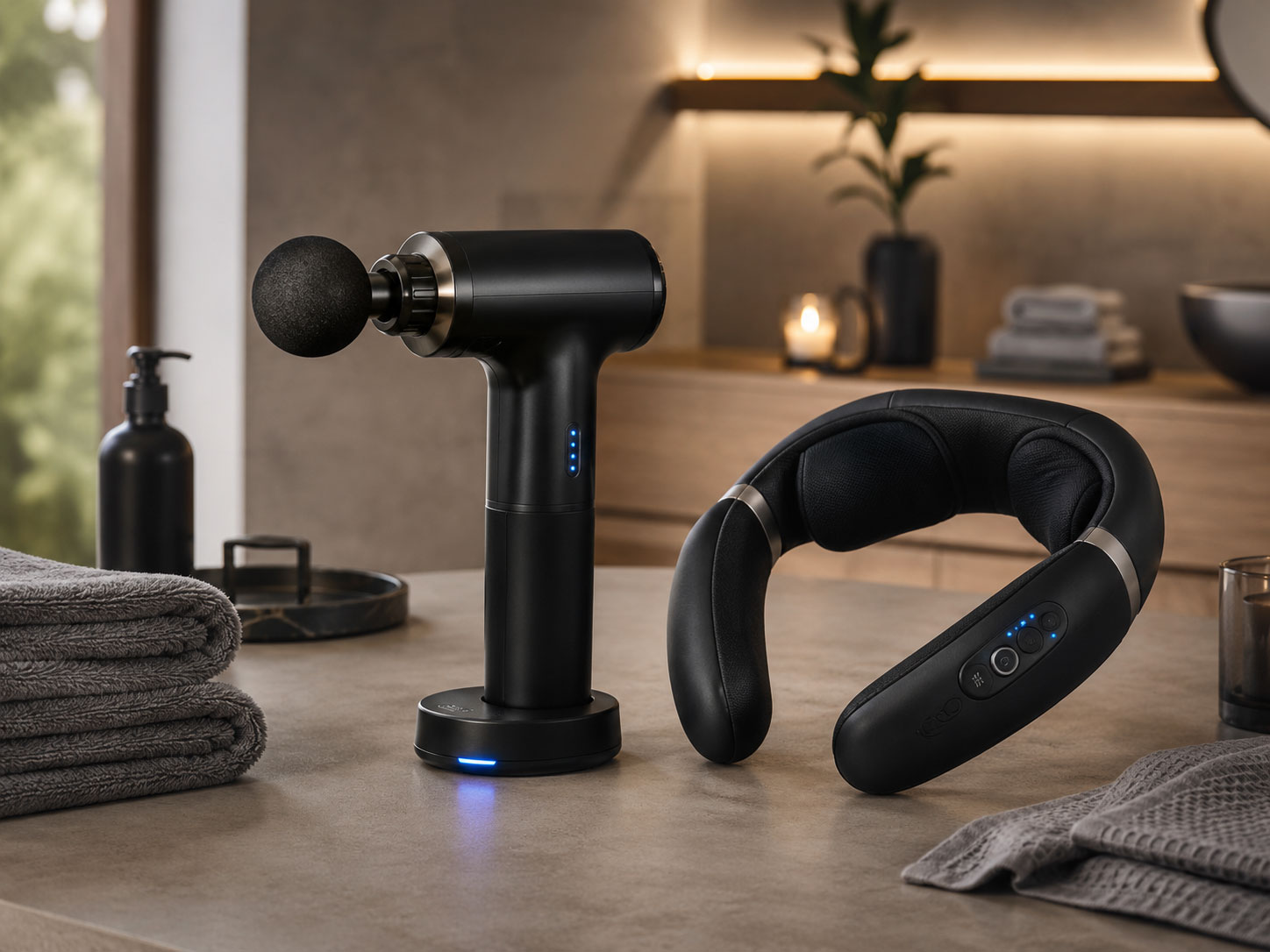
Battery design matters for massage devices because the battery must deliver steady power under vibration, heat, and repeated charge-discharge cycles while maintaining user safety and comfort. A poor battery can cause weak vibration, short runtime, excessive heat, charging failure, swelling, or early product returns.
For massage guns, the battery must support high-current output to drive the brushless motor. For neck massagers and shoulder belts, the battery must fit a curved or wearable structure without creating pressure. For heated massage devices, the battery must balance motor load and heating load while controlling surface temperature.
BPI’s technical article on lithium batteries in smart massage guns explains that the power, vibration stability, and safety of a massage gun largely depend on the battery hidden inside the handle. For built-in lithium systems, brands should also follow consumer safety guidance such as the U.S. Consumer Product Safety Commission’s page on lithium-ion battery safety, especially when evaluating charging, overheating, and fire-risk prevention.
A massager battery type should be selected based on device structure, output power, runtime, charging method, weight, and safety requirements. The table below compares common battery options for massage devices.
| Battery Type | Main Advantage | Typical Application | Buyer Consideration |
|---|---|---|---|
| Lithium-Ion Battery Pack | High energy density and strong discharge performance | Massage guns, handheld massagers, deep-tissue devices | Needs reliable BMS and thermal design |
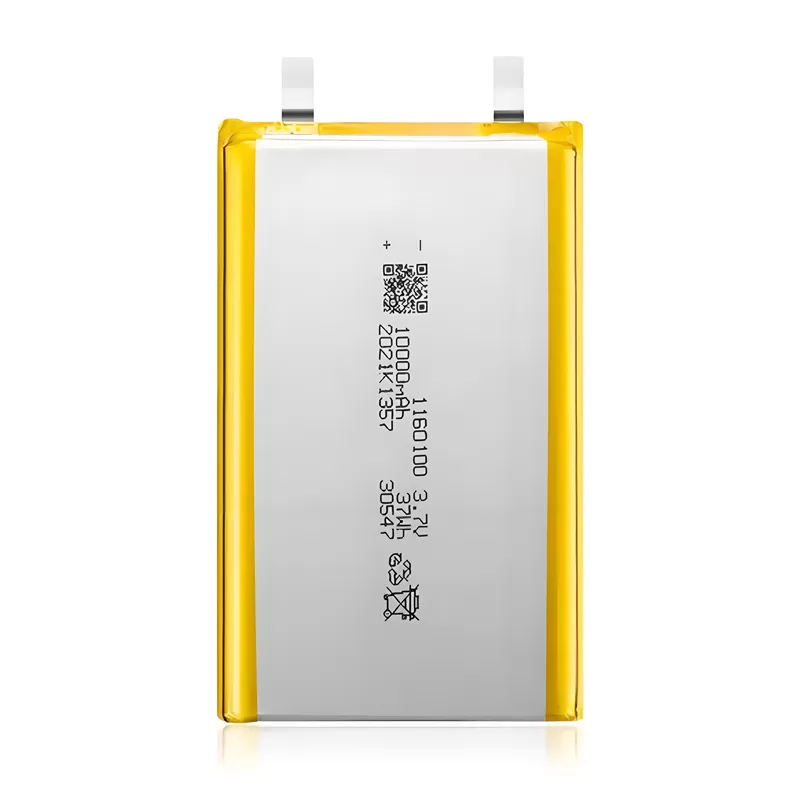
| Lithium Polymer Battery | Thin, lightweight, flexible shape | Neck massagers, shoulder belts, eye massagers, slim wellness devices | Ideal for compact and curved product structures |
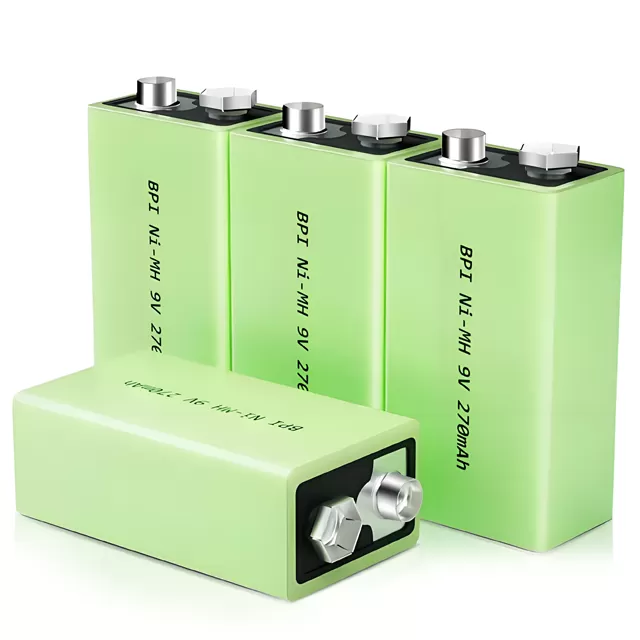
| NiMH Battery Pack | Stable, mature, cost-effective | Entry-level massagers, replacement packs | Heavier and lower energy density than lithium |
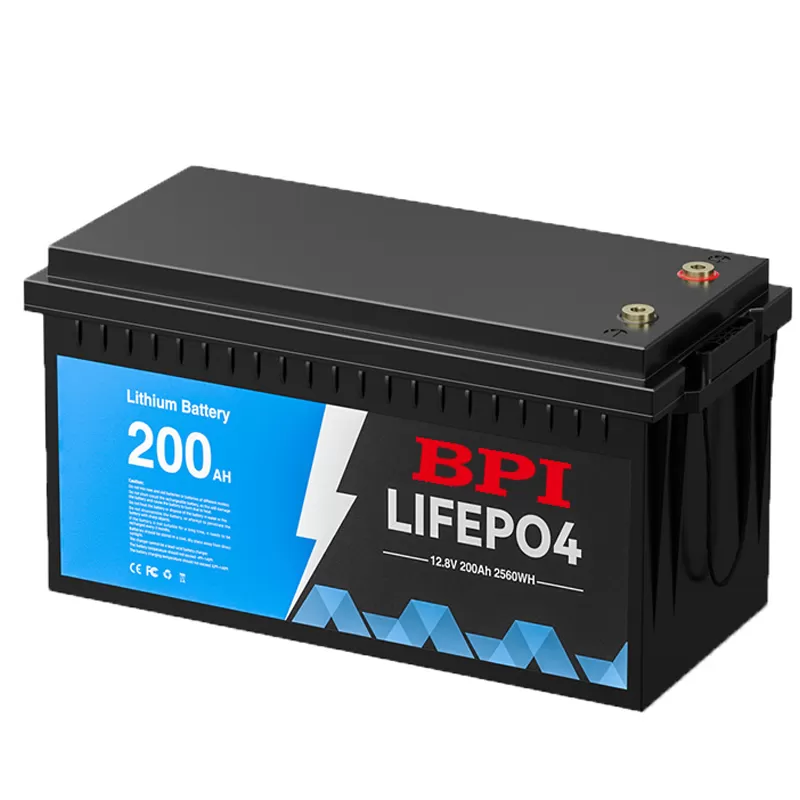
| LiFePO4 Battery | High safety and long cycle life | Larger wellness equipment or special industrial health devices | Larger size, less common in compact handheld massagers |
For compact personal care products, lithium polymer batteries are often preferred because they can be designed in thin, customized shapes. BPI’s Li-Po battery packs support 3.7V–4.45V voltage systems, wide-temperature use from -40℃ to 85℃, and high-rate applications up to 20C, making them suitable for smart wearables, healthcare products, and other space-sensitive devices.
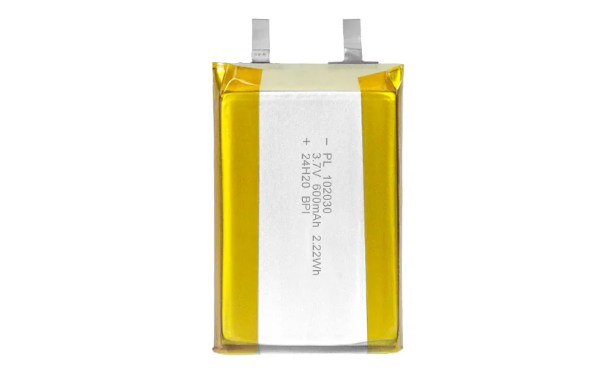
Choosing a massager battery supplier means evaluating whether the manufacturer can match the battery chemistry, pack design, safety protection, certification support, and mass-production quality to the final device. For OEM buyers, battery customization should begin during product design, not after the housing is already fixed.
A professional supplier should confirm device power consumption, motor peak current, heating function, target runtime, charging interface, pack dimensions, weight limit, wire length, connector type, protection circuit, and operating temperature. For wearable massagers, flexibility and comfort are especially important. BPI’s electric shoulder belt battery article highlights the need for ultra-thin and fitted lithium polymer battery design to reduce shoulder pressure while supporting heat and deep massage functions.
For export projects, logistics compliance also matters. The U.S. Pipeline and Hazardous Materials Safety Administration explains that lithium batteries are regulated under transportation rules, and buyers can refer to its lithium battery transportation requirements when planning air, highway, rail, or water shipment. End-of-life handling should also be considered; the U.S. EPA recommends that used lithium-ion batteries be sent to proper collection points, as described in its guide to used lithium-ion battery recycling.
BPI Battery, founded in 2002, is a rechargeable battery manufacturer producing lithium batteries, NiMH batteries, NiZn batteries, battery packs, and energy storage systems. The company has over 1,400 employees, produces more than 1.5 million batteries daily, and exports products to more than 80 countries.
A reliable massager battery improves runtime, vibration stability, charging convenience, thermal comfort, and overall user satisfaction. For massage guns, the priority is high-current discharge and motor stability. For neck massagers, shoulder belts, and wearable wellness devices, the priority is thin structure, safe contact, low heat, and flexible pack design.
BPI Battery provides lithium-ion, lithium polymer, NiMH, and custom battery pack solutions for massage devices and other personal care electronics. With experience in battery chemistry, BMS protection, pack structure, and OEM/ODM customization, BPI can help massage device brands develop safer, longer-lasting, and more comfortable rechargeable power solutions.
Lithium-ion and lithium polymer batteries are usually the best choices for modern portable massagers because they offer lightweight design, strong output, and rechargeable convenience.
Runtime depends on motor size, vibration intensity, heating function, and battery capacity. Many massage devices can run for 2 to 8 hours per charge, while some optimized neck massagers may support more than 10 hours.
Yes. Lithium polymer batteries are suitable for neck massagers because they can be made thin, lightweight, and flexible enough to fit curved wearable structures.
A massage gun needs strong battery output because its motor requires stable current for high-frequency vibration and deep-tissue percussion. A weak battery may reduce torque, runtime, and vibration consistency.
Yes. Massager batteries can be customized by voltage, capacity, size, shape, connector, wire length, protection circuit, charging method, discharge rate, and operating temperature.
BPI Battery offers rechargeable lithium batteries, Li-Po battery packs, NiMH batteries, and custom battery pack solutions for massage devices, supported by manufacturing experience, application knowledge, and OEM/ODM customization capability.