Solar street lights serve as critical application devices in the new energy lighting sector, capturing energy via solar panels and storing it in batteries to ensure continuous nighttime illumination. Compared with traditional grid-powered lighting, solar street lights offer advantages including environmental friendliness, flexible installation, and low maintenance costs. They have been widely deployed in urban roads, rural roads, parks, scenic areas, public facilities, and various other outdoor lighting scenarios.
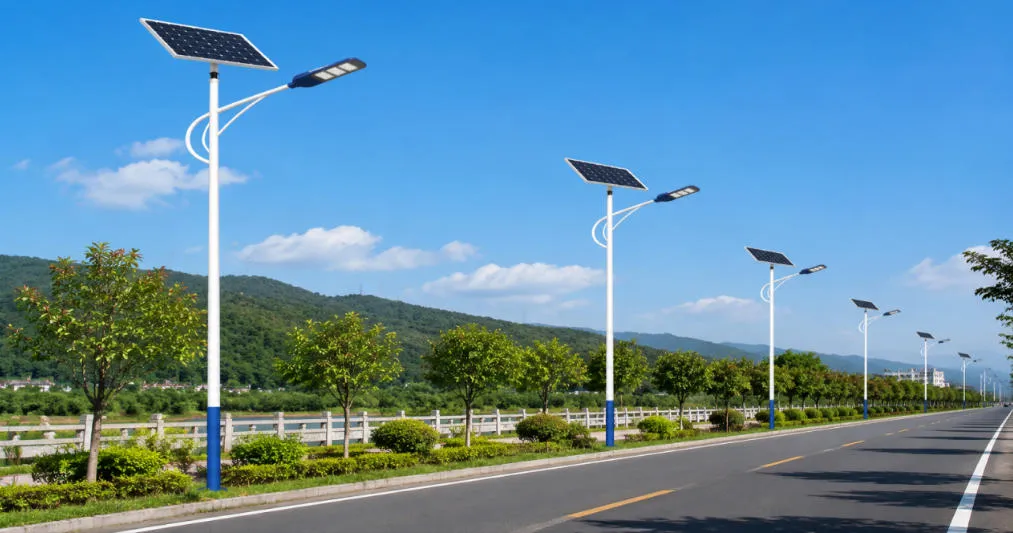
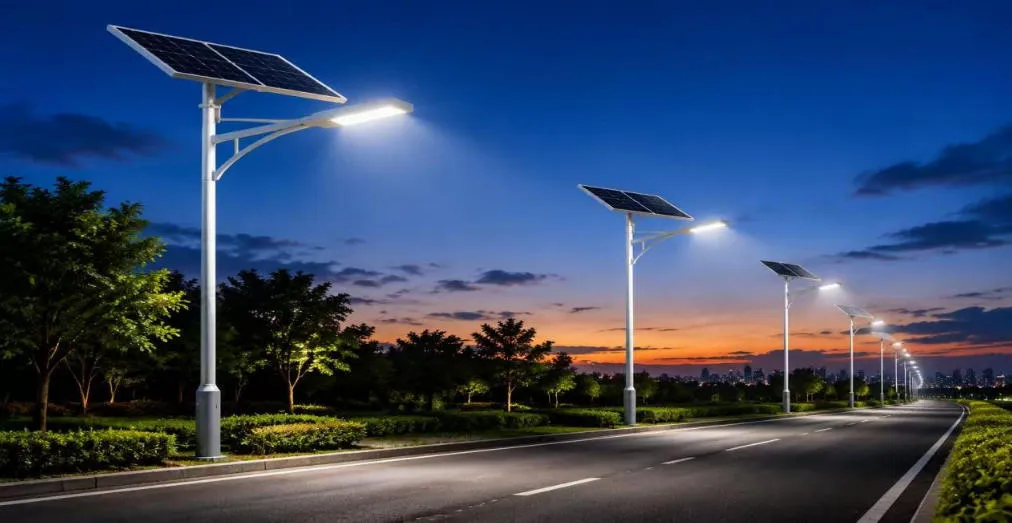
However, the long-term stable operation of a solar street light depends not only on the luminosity of the luminaire and its control system, but more fundamentally on the core energy storage component hidden within the device—the battery.
The battery is responsible for storing energy during the day and sustaining discharge at night, serving as the vital link between the solar energy collection system and the lighting system. Particularly under complex outdoor conditions such as consecutive rainy days, low temperatures, high temperatures, and humidity, the battery's capacity stability, cycle life, and environmental adaptability directly determine the user experience and maintenance cost of the solar street light.
Therefore, for solar street lighting applications, a stable, safe, and durable professional battery solution is the key to ensuring the continuous operation of green lighting.
With the development of smart city infrastructure and new energy lighting technology, solar street lights are evolving from traditional lighting equipment toward intelligent, highly reliable energy systems.
Unlike ordinary electronic devices, solar street lights are typically installed outdoors for long-term operation, relying on solar energy for power collection and utilizing storage batteries for sustained nighttime supply. Given the need for long-term unattended operation, combined with seasonal variations, weather conditions, and installation environments, the core energy storage component—the battery system—must deliver higher stability and reliability.
In practical applications, solar street light batteries face the following key challenges:
● Long-Cycle Energy Storage and Continuous Power Supply:
Solar street lights operate on a "daytime charging, nighttime discharging" cycle. During the day, solar panels convert light energy into electricity and store it in the battery; at night, the battery releases the stored energy to provide continuous power for the LED lighting system.
However, during consecutive rainy weather or insufficient winter sunlight, solar input decreases significantly, and the battery must rely on its own storage capacity to maintain lighting requirements. Therefore, solar street light batteries must not only offer high capacity, but also stable charge/discharge performance and excellent capacity retention to ensure continuous operation under varying weather conditions.
● Complex Outdoor Environment Adaptation:
Since solar street lights are installed outdoors for extended periods, batteries must withstand impacts from different seasons and climatic conditions, including high-temperature exposure in summer, low-temperature operation in winter, rain and humidity erosion, and day-night temperature differentials.
These environmental factors affect the battery's internal material performance and charge/discharge efficiency, leading to capacity degradation and reduced endurance. Consequently, solar street light batteries must possess robust high- and low-temperature adaptability and environmental stability to ensure long-term reliable operation across different regions and climate conditions.
● Long-Term Unattended Reliability:
Solar street lights typically cover extensive areas, with some installations located on remote roads, in rural regions, or in parks where maintenance access is limited. Once battery performance declines or operational failures occur, not only is nighttime illumination compromised, but equipment maintenance costs and management pressures also increase.
Therefore, solar street light batteries must maintain stable performance over long-term operation while featuring low failure rates, extended service life, and comprehensive safety protection capabilities. Only through professional design and stringent quality control can the requirements for long-term stable operation of outdoor lighting equipment be met.
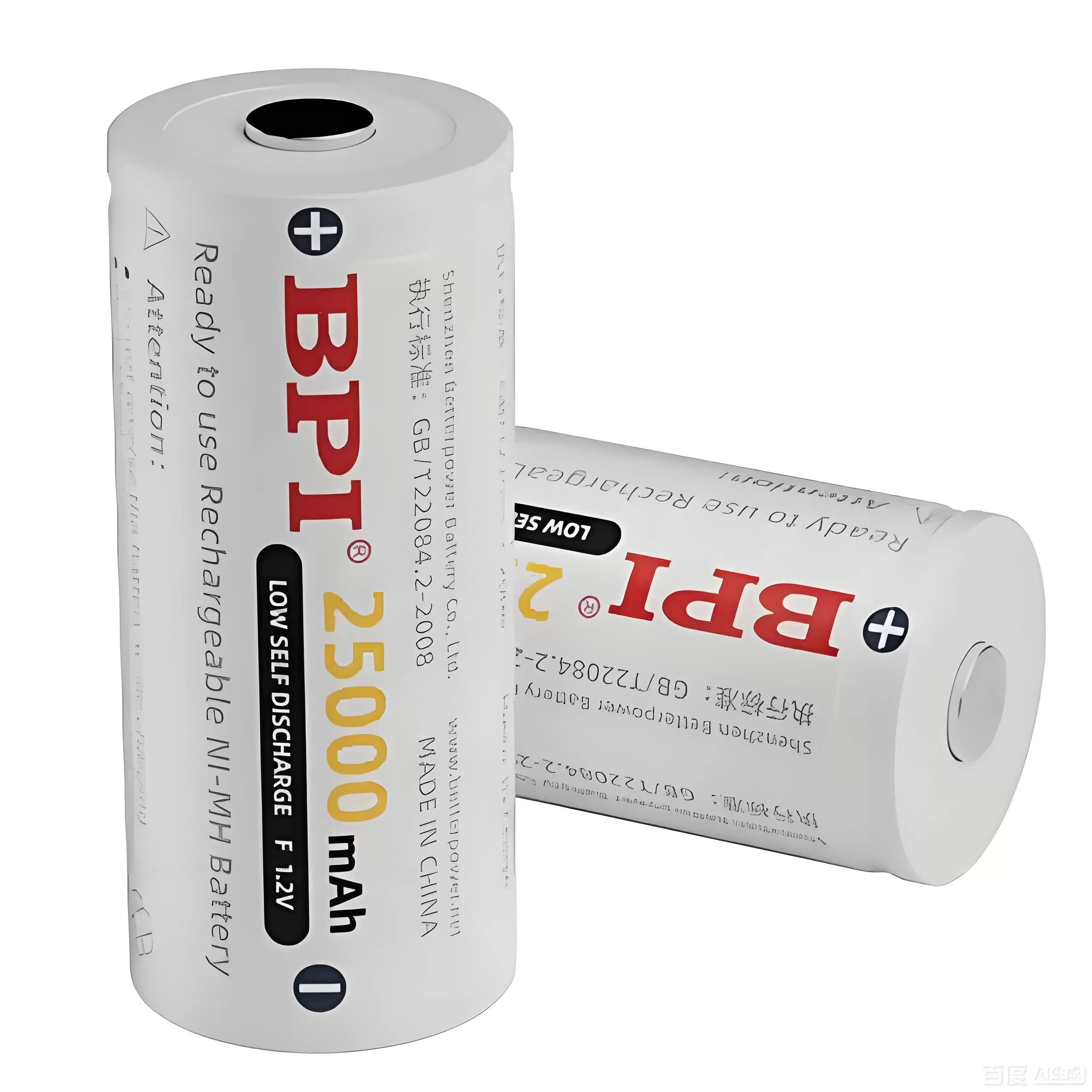
Among various energy storage technology solutions, the nickel-metal hydride (Ni-MH) battery, with its mature and stable technical system, high safety performance, and excellent environmental adaptability, has become an important power solution for solar street lights and outdoor lighting applications.
Addressing the application characteristics of solar street lights—long-term outdoor operation, periodic charge/discharge cycles, and unattended operation—Ni-MH batteries can meet equipment operational requirements in terms of stable power supply, lifespan performance, environmental adaptation, and safety reliability.
| Core Requirements for Solar Street Lights | Ni-MH Battery Solution |
| Continuous and Stable Power Supply | Ni-MH batteries demonstrate excellent discharge stability, providing sustained energy output for LED lighting systems over long nighttime periods, reducing lighting anomalies caused by voltage fluctuations and ensuring stable luminaire operation. |
| Long-Cycle Service Life | BPI Ni-MH batteries achieve an IEC cycle life of 500 cycles, offering favorable cycling performance that effectively extends the solar street light system service cycle and reduces later maintenance and replacement costs. |
| Complex Environment Adaptability | Designed for long-term outdoor operation, Ni-MH batteries exhibit strong temperature adaptability, capable of addressing complex conditions including high temperatures, low temperatures, and day-night temperature variations, ensuring stable operation across different regions. |
| Safe and Reliable Operation | Utilizing a mature and stable technical system, Ni-MH batteries offer favorable safety performance, suitable for long-term unattended outdoor lighting equipment and reducing operational risks. |
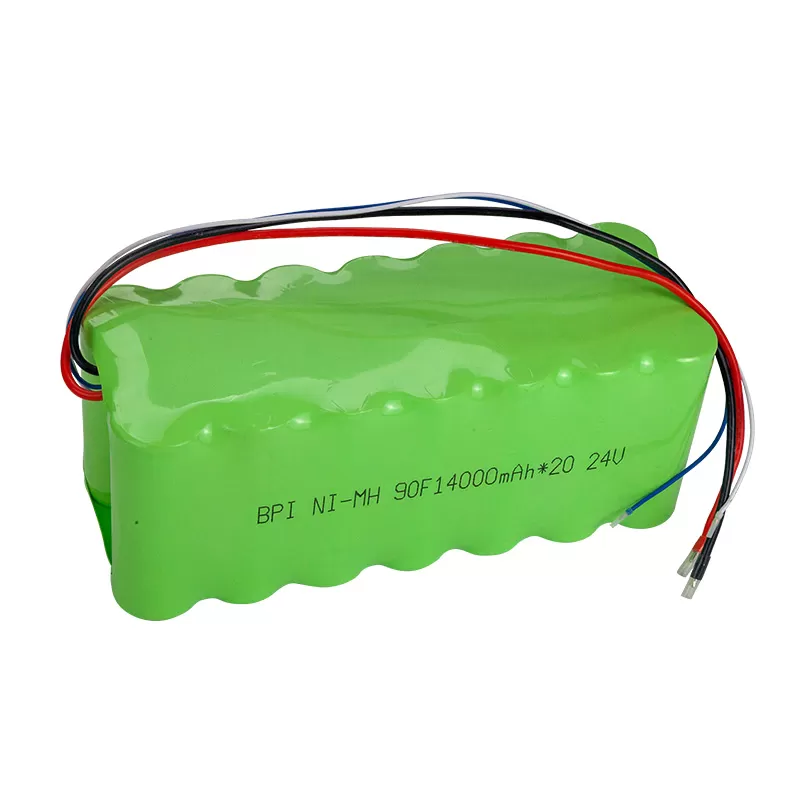
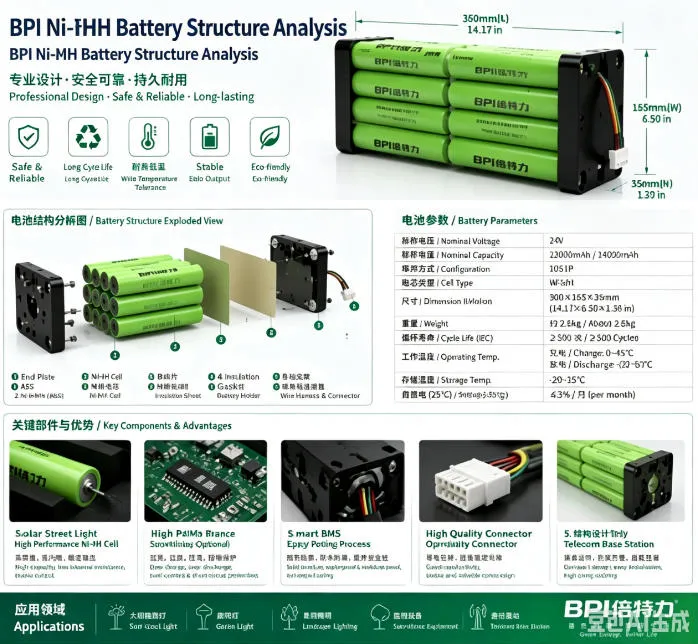
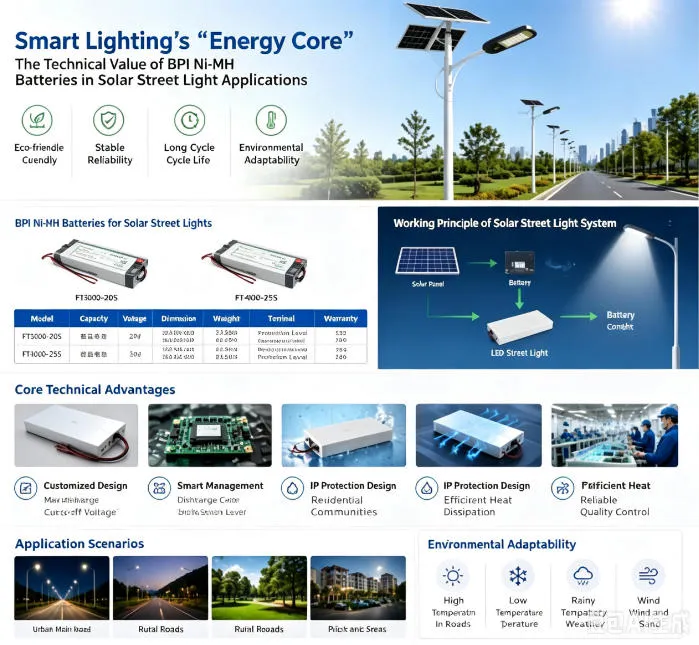
| Equipment Space Compatibility | BPI provides F13000×20S and F14000×20S series battery solutions, featuring a 24V voltage platform with 20S1P series-parallel configuration and dimensions of 360×165×35 mm, meeting the structural design requirements of solar street lights. |
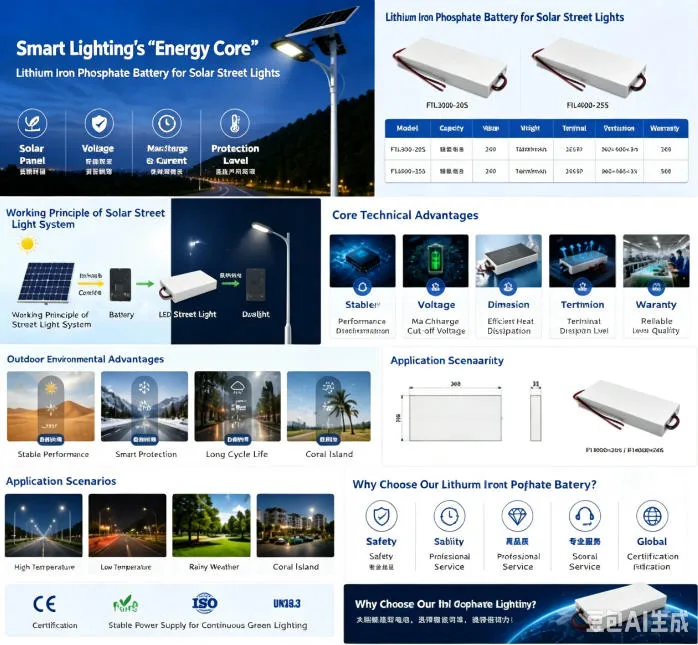
As a professional battery manufacturer with years of industry experience, BPI has developed specialized battery solutions tailored to the long-term outdoor operation, periodic charge/discharge cycles, and unattended operation characteristics of solar street lights.
Unlike ordinary energy storage batteries, solar street light batteries must simultaneously satisfy requirements including space compatibility, stable power supply, environmental tolerance, and long-term reliable operation. Therefore, BPI optimizes multiple aspects—from cell design, battery structure, intelligent management, to quality control—to provide the lighting industry with more stable and efficient energy solutions.
During the product design phase, BPI consistently orients its development toward actual application scenarios. Recognizing the differences in installation space, power requirements, and operating environments among various solar street light products, BPI offers customized battery solutions based on client equipment needs. By optimizing cell combination methods, structural layout, and electrical design, the battery system achieves higher compatibility with the complete unit, satisfying the application requirements of different lighting equipment.
Addressing the long-term unattended operation characteristic of solar street lights, BPI battery solutions can be integrated with an intelligent Battery Management System (BMS) to achieve real-time monitoring of battery status and precise control of the charge/discharge process. Through intelligent management, abnormal operational risks can be effectively mitigated, system stability improved, and the overall battery service cycle extended.
Given that solar street lights are installed outdoors for extended periods, batteries must confront multiple challenges including high temperatures, low temperatures, rainfall, and complex climate variations. In response, BPI has implemented structural reinforcement designs for outdoor applications, enhancing the overall protection capability of the battery to better adapt to long-term outdoor operation demands and provide continuous, reliable energy support for lighting equipment. Simultaneously, considering the impact of temperature variations on battery performance, BPI optimizes internal structural design to strengthen thermal management capabilities, reducing the effect of temperature factors on battery performance during long-term operation and further enhancing product stability and service life.
In terms of quality control, BPI has established a comprehensive quality management system covering cell screening, battery assembly, performance testing, and finished product inspection. Each solar street light battery pack undergoes rigorous testing procedures to ensure that products meet industrial-grade application standards in capacity, consistency, safety, and reliability. With professional design capabilities, a mature manufacturing system, and strict quality management, BPI solar street light batteries provide stable, safe, and efficient energy assurance for outdoor lighting equipment, supporting the long-term reliable operation of green lighting systems.
In solar street light applications, some users tend to use capacity as the primary or even sole criterion when selecting battery solutions. However, for lighting equipment requiring long-term outdoor operation, battery performance depends not only on capacity, but more critically on cycle life, environmental adaptability, discharge stability, and overall safety reliability. A battery solution truly suitable for solar street lights requires comprehensive evaluation based on actual application environments.
During the battery selection process for solar street lights, some users tend to regard capacity as the main standard for measuring battery performance, assuming that higher capacity translates to stronger device endurance.
However, capacity is merely one indicator reflecting the battery's energy storage capability and does not fully determine the actual operational effectiveness of a solar street light. Since solar street lights must undergo long-term cyclic charging and discharging while facing environmental variations across different regions and seasons, a battery with large capacity but insufficient cycle life or poor discharge stability will still experience capacity degradation and reduced endurance during long-term use, ultimately affecting the stable operation of the lighting system.
For solar street lights, battery performance must be comprehensively evaluated based on actual application environments. Beyond energy storage capacity, attention must also be paid to performance retention during long-term cycling, stable performance under complex environments, and overall safety reliability. Only battery solutions demonstrating favorable performance in capacity, lifespan, environmental adaptability, and operational stability can truly satisfy the long-term unattended operation requirements of solar street lights.
Due to the relatively simple structure of solar street lights, some users believe that ordinary batteries can equally satisfy equipment operational needs. However, ordinary consumer-grade batteries are primarily designed for short-duration, small-load electronic devices, with application environments and operating modes distinctly different from those of solar street lights.
Solar street light batteries must store energy for extended periods, undergo periodic charge/discharge cycles, and withstand complex outdoor environments including high temperatures, low temperatures, humidity, and day-night temperature variations. If ordinary batteries without professional design are adopted, performance degradation and shortened lifespan are likely to occur during long-term operation, increasing equipment maintenance costs. Therefore, for long-term unattended outdoor lighting equipment such as solar street lights, professionally designed and rigorously tested battery solutions are required to ensure stable system operation over multiple years.
Solar street lights are not merely lighting equipment, but integrated green energy systems encompassing energy collection, storage, and intelligent control. As the core energy storage component, the battery determines the stability, service life, and maintenance cost of the entire lighting system. BPI solar street light dedicated Ni-MH batteries, leveraging stable performance, reliable quality, and professional customization capabilities, provide continuous, safe, and efficient energy support for the outdoor lighting industry. As smart lighting continues to evolve, choosing reliable power solutions will enable green lighting to go further.
For solar street light batteries, choose stability and reliability. Choose BPI.
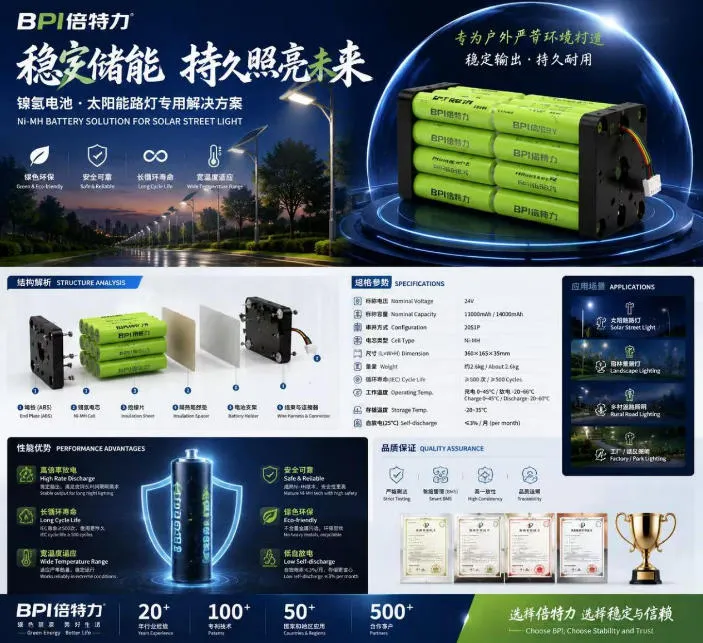
Q: What type of battery does BPI use for solar street lights?
A: BPI solar street light batteries employ Ni-MH battery solutions, featuring stability, safety, long cycle life, and strong environmental adaptability, suitable for the long-term operational requirements of outdoor lighting equipment.
Q: What models are available for BPI solar street light batteries?
A: The primary models currently include F13000×20S and F14000×20S. Both are 24V battery solutions with capacities of 13,000 mAh and 14,000 mAh respectively, utilizing a 20S1P series-parallel configuration, with dimensions of 360×165×35 mm.
Q: Why do solar street lights require professional battery solutions?
A: Solar street lights operate in outdoor environments for extended periods, requiring batteries with stable charge/discharge capabilities, high- and low-temperature adaptability, and long-term cycling performance. Professional battery solutions enhance equipment reliability and reduce later maintenance costs.