Ventilators and oxygen concentrators are indispensable life-support devices for clinical emergency treatment, chronic disease home care and pre-hospital patient transportation. Equipped with built-in air pumps, humidification modules and monitoring sensors, they deliver steady oxygen supply and ventilation continuously, serving as core medical equipment for critically ill patients, people with chronic respiratory illnesses and emergency rescue scenarios.
Whether devices operate non-stop without power loss or malfunctions during ICU bedside ventilation, bumpy ambulance transfers or overnight home oxygen therapy hinges entirely on the lithium polymer power battery installed inside the unit.
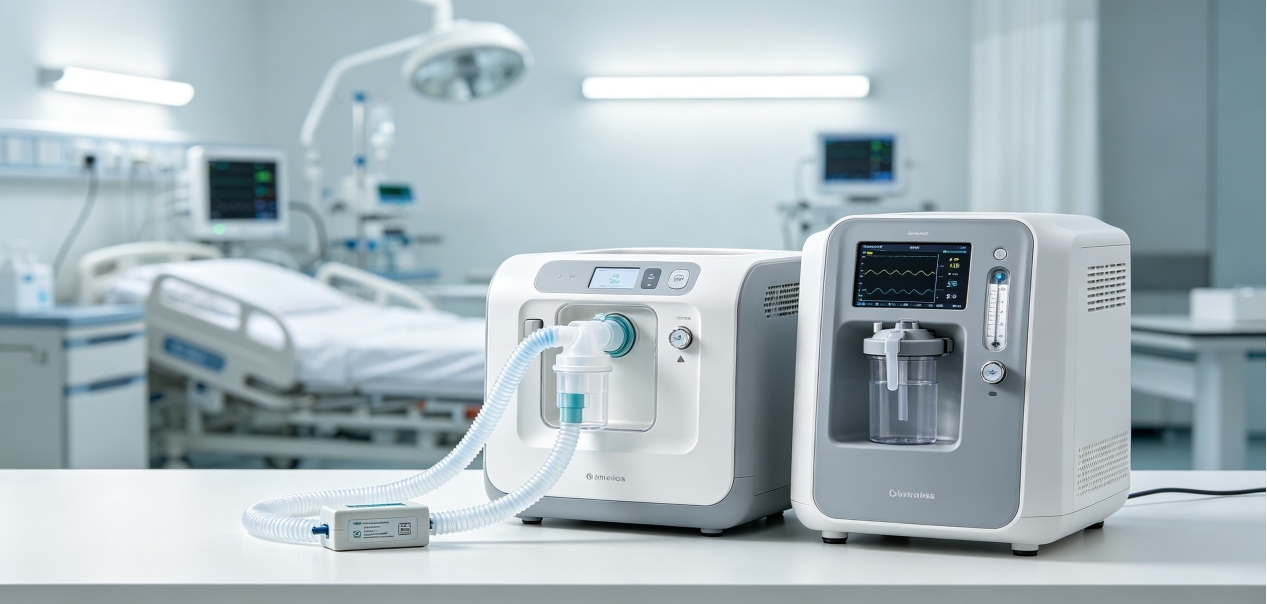
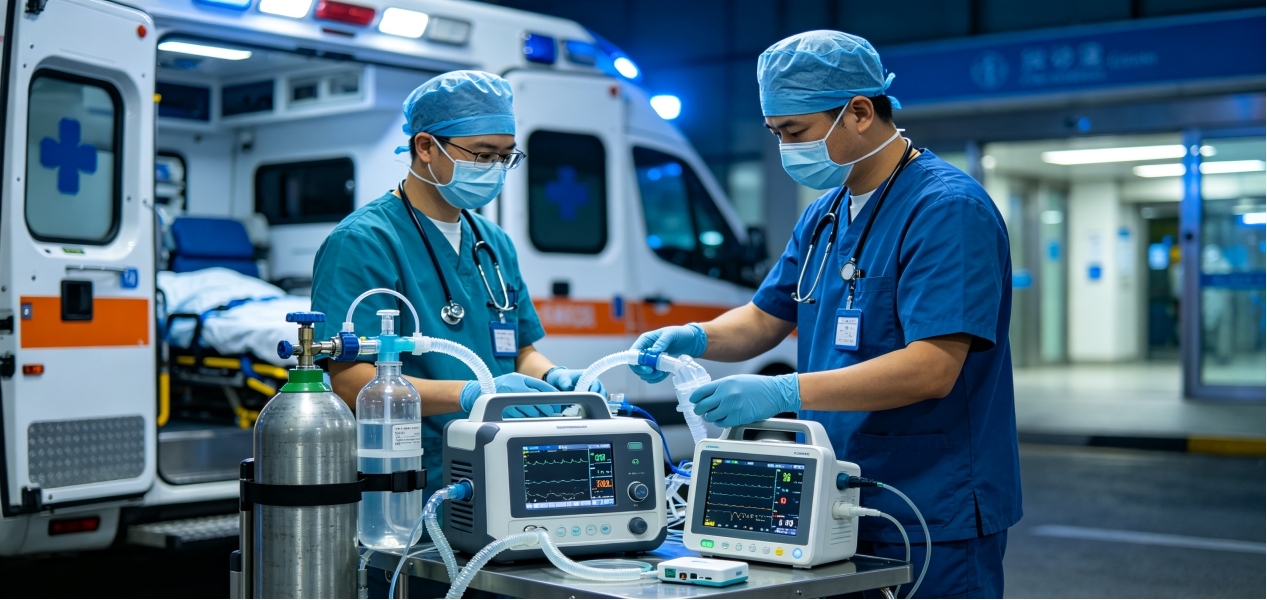
With the popularization of home respiratory rehabilitation, improved pre-hospital emergency response systems and lightweight iteration of mobile medical equipment, ventilators and oxygen concentrators are no longer confined to fixed hospital wards. Their application scope has expanded to home care, 120 emergency transfers, plateau outdoor rescue and community free medical clinics.
Vibration and solder joint detachment resistance: Internal structures remain intact without circuit interruption amid bumpy transportation;
Dynamic voltage stability: No sudden voltage drops when air pumps start and stop under fluctuating loads;
Wide-temperature adaptability: No severe capacity attenuation under extreme high and low temperatures;
Low attenuation after long cycle life: Consistent performance is maintained even after frequent charge and discharge cycles.
Malfunctions in medical power supplies directly threaten patient safety. Research shows nearly 23% of portable ventilator failures stem from substandard battery performance, including halved runtime at low temperatures, power outages caused by loose solder joints from vibration, drastic capacity decline after hundreds of cycles, and thermal runaway risks due to insufficient multi-layer safety protection. This has driven the upgrade of ventilator matching batteries from ordinary consumer lithium cells to medical-grade high-stability lithium polymer batteries. Safety, wide-temperature performance, shock resistance and long cycle life have become top selection criteria for medical device manufacturers.
The operating conditions of ventilators and oxygen concentrators are far more complex than ordinary digital products, imposing four hard constraints on batteries:
Sustained vibration exposure: Devices endure constant jolting during ambulance transfers and frequent handling. Long-term cyclic shock easily leads to fatigue fracture of internal tabs and solder joints, requiring cells to feature reinforced anti-vibration packaging structures.
Dynamic pulsed variable-current discharge: Air pumps start and stop intermittently while humidifiers run simultaneously, switching instantly from low standby current to full-load high current. Batteries must maintain a flat discharge plateau to avoid voltage drops that trigger automatic device shutdown protection.
Full-scenario wide-temperature operation: Stable discharge performance is required from -40°C for field rescue to 85°C inside enclosed emergency vehicles. Conventional cells lose over 50% of their usable capacity at low temperatures and cannot meet outdoor rescue demands.
Lightweight customized sizing: Portable ventilators have limited internal battery compartment space, requiring ultra-thin irregular lithium polymer cells that deliver large energy storage within compact housings while reducing overall unit weight to ease handling burden for medical staff.
Extended medical-grade cycle life: Medical equipment runs continuously year-round with frequent charging cycles. Generic cells suffer severe capacity degradation after only 300 cycles. Frequent battery disassembly and replacement increase clinical infection risks, so consistent capacity retention over long-term use is mandatory.
| Core Device Requirement | BPI Lithium Polymer Cell Solution |
| Large capacity within compact housings | 3.8V 4900mAh high-capacity lithium polymer cells with flat pouch structure, perfectly fitting irregular ventilator battery compartments; high-energy-density materials extend single-charge runtime |
| Shock resistance for bumpy transportation | Double-layer aluminum-laminated pouch packaging with widened tab welding; no internal circuit breakage after 3D vibration testing, suitable for long-distance ambulance transit |
| Stable discharge across full temperature range | Custom wide-temperature electrolyte formulation; ≥70% capacity retention at extreme high and low temperatures, reliable operation in outdoor rescue sites and high-temperature wards |
| Steady high-current dynamic output | Supports continuous 1C discharge with no voltage dip under instantaneous peak current; air pump load fluctuations will not trigger device shutdown alarms |
| Long cycles to cut operation costs | ≥80% capacity retention after 500 IEC standard cycles, far superior to consumer-grade cells and drastically reducing battery replacement frequency |
| Multi-layer medical safety protection | 5-level BMS protection against overcharge, overdischarge, overcurrent, short circuit and overheating; certified to UN38.3 and IEC62133 medical battery standards, no fire or leakage under puncture and extrusion tests |
Lithium polymer pouch cells feature no rigid metal casing, delivering prominent lightweight advantages. They occupy 15% less internal space than cylindrical lithium cells with equal capacity, aligning perfectly with the miniaturization trend of portable ventilators and home oxygen concentrators. Matched with medical-grade intelligent BMS, the system accurately collects voltage, current and temperature data with SOC estimation error controlled within 5%. Low-battery alerts activate in advance, granting medical staff sufficient time to switch to external power sources and avoid interrupted ventilation for patients.
With years of deep cultivation in the medical battery sector, BPI boasts a complete R&D, customization and mass production system for lithium polymer cells. We develop standardized and customized battery solutions exclusively for ventilator and oxygen concentrator medical scenarios. Our flagship standard model 135055 (13mm × 50mm × 55mm, 3.8V 4900mAh) has been mass-matched with multiple portable transport ventilators and household oxygen concentrators.
Each lithium polymer pack is equipped with a dedicated medical BMS that delivers millisecond-level protection responses to overheating and short circuits. It synchronizes data communication with the ventilator main control chip for precise battery level display, eliminating patient-endangering faults such as false charge readings and sudden power-offs.
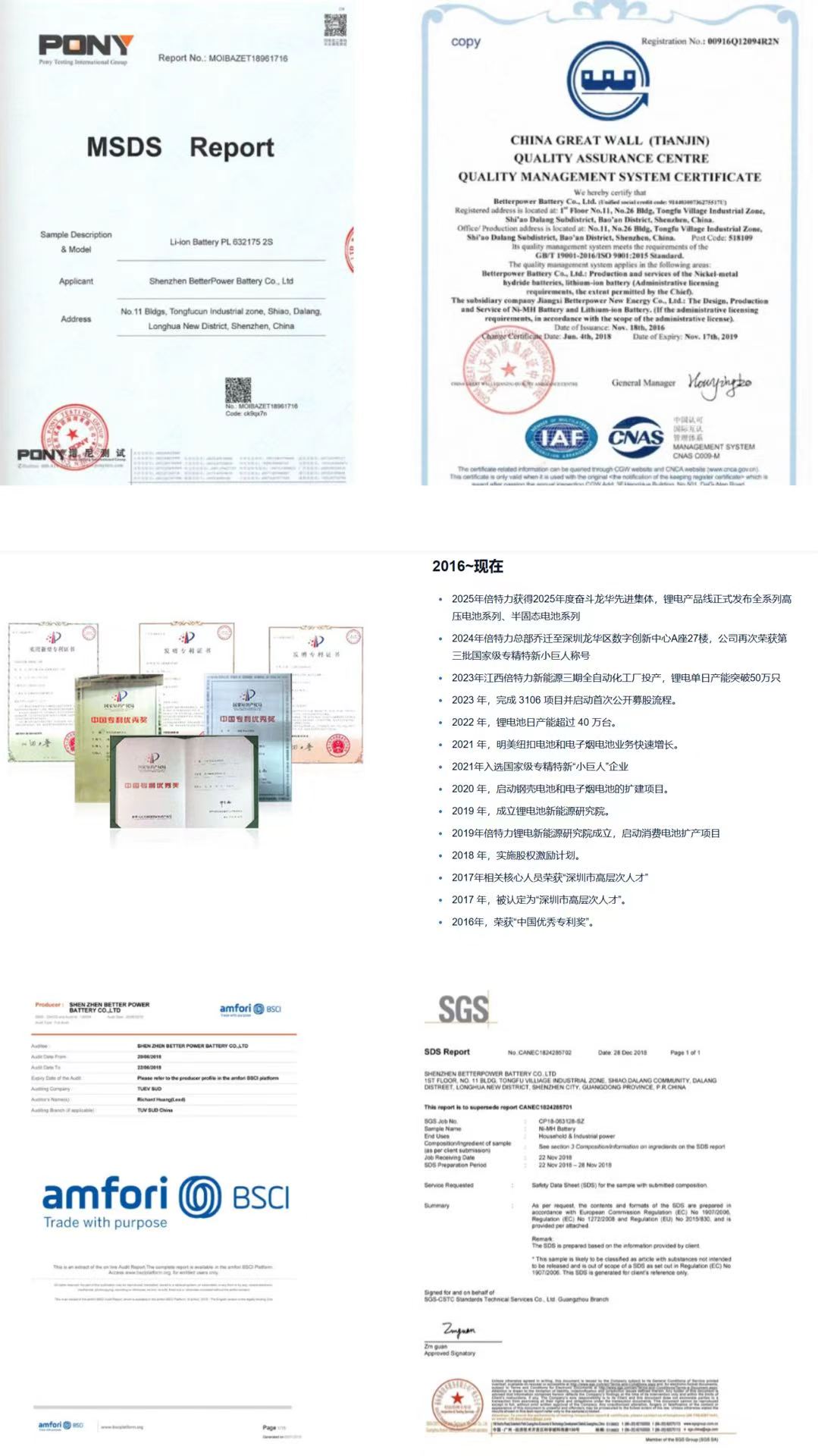
The full line of BPI lithium polymer batteries for respiratory equipment passes global export certifications including UN38.3, IEC62133, CE, RoHS, PSE and KC. Manufactured under the strict IATF16949 quality control system, cells undergo rigorous screening to tightly control internal resistance and voltage tolerances, ensuring excellent consistency within packs. No unbalanced single-cell attenuation occurs over long cycles, fully meeting medical device market access compliance standards at home and abroad.

Cells designed for mobile phones and power banks are engineered for stable low-current operation without vibration or wide-temperature optimization. When installed in ventilators, bumpy transit easily causes solder detachment and power outages; capacity plummets at low temperatures; voltage drops sharply during high-current air pump startup and shuts down equipment outright, posing severe medical safety hazards. Their cycle life is limited to under 300, doubling after-sales maintenance costs for devices.
Many manufacturers blindly pursue higher capacity without considering narrow internal ventilator spaces. Forcing oversized cells results in bulky, unbalanced units, while ill-fitting cells squeeze internal wiring and wear insulation over time, creating hidden short-circuit and overheating risks. BPI’s standardized 135055 (135055mm 4900mAh) cell fits the battery compartments of mainstream portable ventilators perfectly without mold modification.
Low-cost battery manufacturers often remove overheating and balanced charging modules, retaining only basic overcharge and overdischarge safeguards. Ventilators run continuously for long hours inside enclosed housings with limited heat dissipation; insufficient multi-level temperature control leads to thermal runaway. Multi-series packs without charge balancing suffer widening voltage gaps between individual cells over time, triggering rapid degradation, swelling and leakage.
As life-support medical equipment, ventilators and oxygen concentrators rely on batteries not merely as energy storage accessories, but as the core lifeline ensuring stable, safe full-unit operation. Generic consumer cells cannot withstand the harsh working conditions of medical scenarios; only lithium polymer batteries optimized exclusively for medical use can simultaneously satisfy vibration resistance, wide-temperature performance, long runtime and multi-layer safety protection requirements.
Choose BPI lithium polymer batteries for ventilators — choose high-capacity, long-life, safe and reliable professional medical power solutions!
Q: Can multi-series combinations be customized for the BPI 135055 4900mAh lithium polymer cell?
A: Yes. Custom multi-series packs such as 1S, 2S and 3S configurations are available to match the power requirements of ventilators and oxygen concentrators with adjustable voltage platforms for all portable home and professional emergency transfer models.
Q: Will the 135055 battery cut power during bumpy ambulance transport?
A: No. The cell adopts widened tabs plus double-layer anti-vibration aluminum-laminated packaging, passing 3D vibration and 1.2m drop tests before shipment. No internal wire breakage or solder detachment occurs under long-term vehicle vibration for uninterrupted stable power delivery.
Q: Is this battery applicable for low-temperature outdoor rescue? What is the minimum operating temperature?
A: Yes. Equipped with dedicated wide-temperature electrolyte, the operating discharge range covers -40°C to 85°C, delivering rated capacity stably for plateau and winter field rescue devices without drastic runtime reduction.
Q: Do the batteries meet certification requirements for global medical device exports?
A: All products are fully compliant. BPI lithium polymer batteries for respiratory equipment hold mainstream global safety certifications including UN38.3, IEC62133, CE, RoHS, PSE and KC, with complete MSDS and transportation test reports provided to facilitate smooth overseas customs clearance for medical brands.
Q: What is the cycle life and replacement cycle of the 135055 cell?
A: The cell retains ≥80% capacity after 500 IEC standard cycles. Under partial charge-discharge medical operating conditions, the actual service life reaches 2–3 years, drastically cutting device after-sales replacement and maintenance expenses.