Educational tablets are portable smart terminals specially designed for student learning and teaching assistance. Equipped with high-performance processors, eye-friendly displays, stable network modules and precise power management systems, they run teaching applications, present multimedia courseware and support real-time teacher-student interaction while rationally distributing power to ensure smooth online classes, homework completion and video tutorials without interruption. Simply put, they act as portable digital teaching assistants. Widely used for online courses, offline self-study and at-home schoolwork, educational tablets have become daily tools for students to acquire knowledge and expand their learning horizons. Supported by efficient processor operation, crisp screen output, steady network connection and intelligent battery power allocation, a full 45-minute online lesson can proceed without power shortages, and after-school review will not be cut short by diminished battery life.
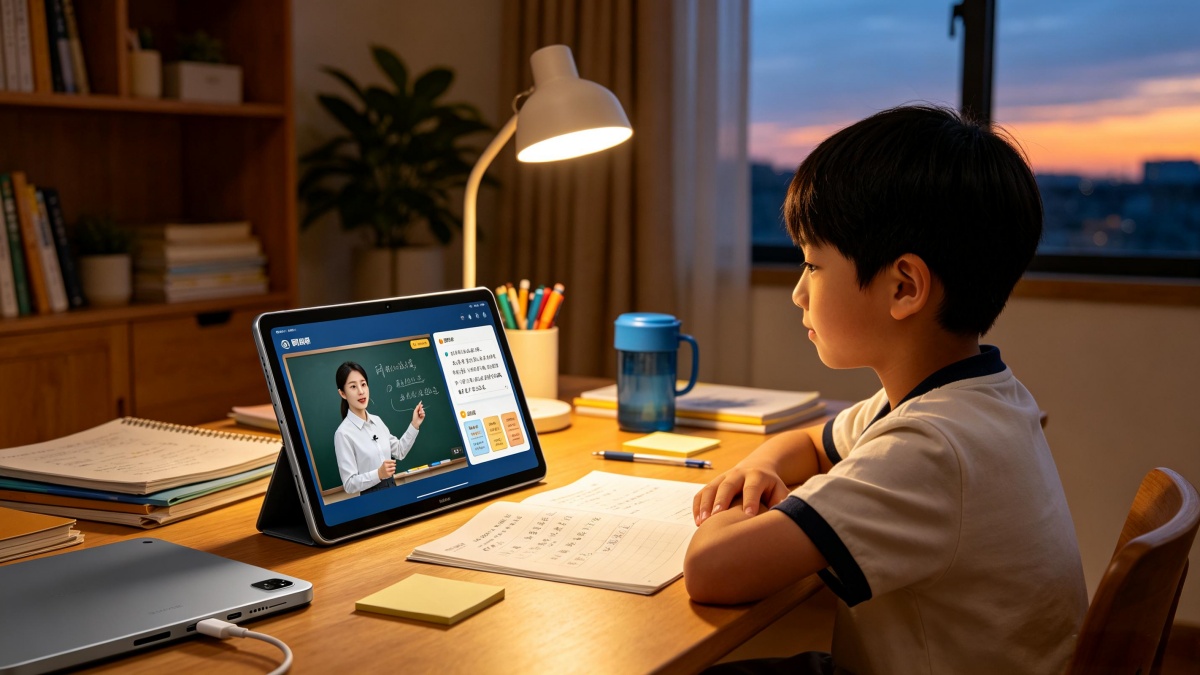
Whether an educational tablet can last through an entire online class, regain sufficient power within a 10-minute break, and retain strong runtime after one year of use hinges entirely on the internal battery that continuously supplies power to the screen and processor.
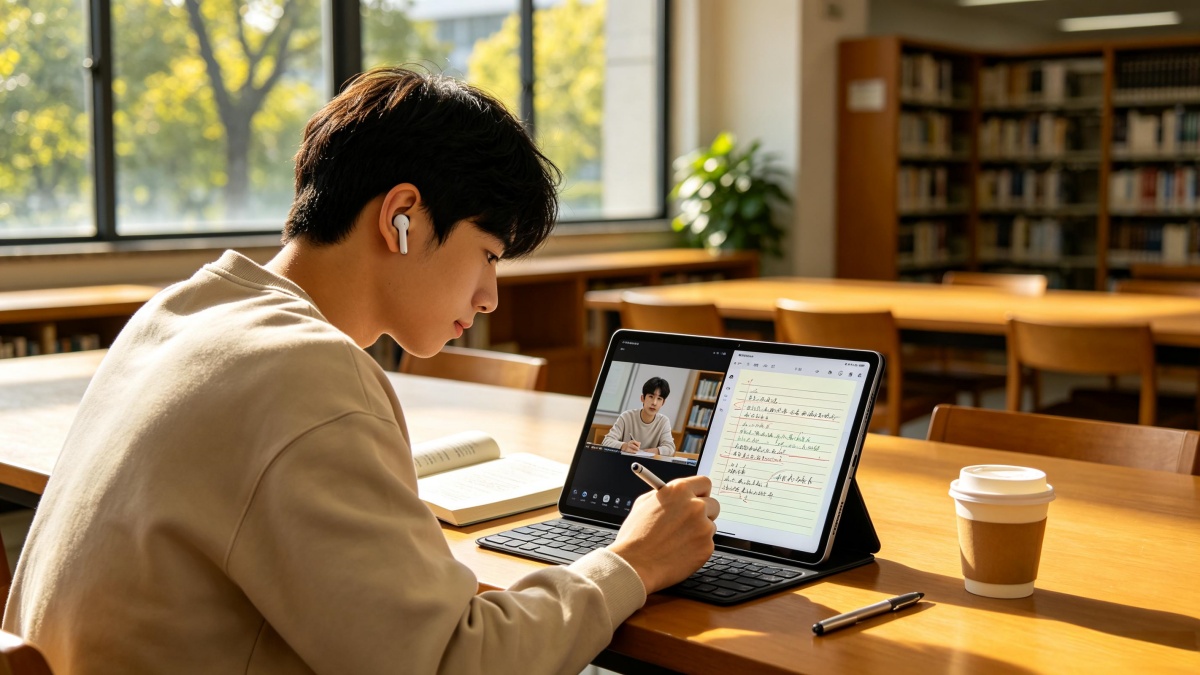
In recent years, the popularization of online education, abundant digital teaching resources in schools, and students’ growing demand for independent learning have transformed educational tablets from niche novelty items into standard daily learning devices for more and more students. Used for in-class listening, after-school self-study and at-home remote tutoring, these devices support diverse learning activities including courseware playback, note-taking, homework submission and knowledge retrieval.
Against this backdrop, batteries are the core guarantee of uninterrupted learning and reliable device performance. Industry research shows over 60% of buyers rank battery life among their top three considerations when replacing educational electronics. Consumers care less about printed capacity figures and more about real-world stability. Can the battery sustain six consecutive daily online classes without sudden shutdowns? Can it rapidly recharge during a 10-minute break to avoid missing the next lesson? After one or two years of regular use, will runtime degrade drastically?
This market demand has driven the upgrade of educational tablet batteries away from generic consumer cells toward high-energy-density, long-cycle, fast-charging, safe lithium polymer solutions. For frequently used learning devices with dense charge-discharge cycles, battery runtime, charging speed and cycle durability are foundational factors determining the overall performance of an educational tablet.
All-day heavy continuous operation: Students use tablets nonstop from morning till night, alternating between online lectures, homework, reading and interactive exercises for 6–8 hours straight. Batteries must deliver maximum energy density within slim tablet housings to hold enough power for full days of learning without frequent charging that breaks students’ focus.
Frequent daily charge-discharge cycles: Most tablets are charged once per day, with even heavier usage during holidays. Based on 300 days of annual use, devices complete roughly 300 full cycles per year. Batteries must retain strong capacity after hundreds of deep cycles to avoid obvious runtime decline after only six months, accompanying students through multiple academic years.
Adaptability to diverse ambient temperatures: Home environments lack constant temperature and humidity control: indoor temperatures can drop below 10°C in northern winters and exceed 35°C in southern summers. Batteries must maintain stable discharge performance and safety across wide temperature ranges. BPI lithium polymer batteries retain over 70% of their rated capacity at -10°C to guarantee reliable winter learning runtime.
Rigorous safety and eco-friendly standards: Students form the primary user group, making battery safety the top priority. Reputable brand batteries comply with RoHS environmental standards and UN38.3 transport certifications, eliminating hazardous materials across the entire material and production chain to deliver safety for both daily use and unexpected incidents.
| Core Requirement | Lithium Polymer Battery Solution |
| Long Continuous Runtime | Adopts high-energy-density material system with an energy density of ≥650Wh/L, storing ample power within limited tablet internal space to support 6–8 hours of uninterrupted teaching use |
| Slim & Lightweight Safety Design | Soft aluminum-laminated pouch packaging, thinner and lighter than cylindrical cells, perfectly fitting compact tablet structures while reducing overall device weight |
| Extended Cycle Durability | Premium cells retain over 80% capacity after more than 800 deep charge-discharge cycles, covering the full 3–5 year service life of educational equipment |
| Intelligent BMS Regulation | Paired with precise Battery Management System for real-time voltage, current and temperature monitoring, with multi-layer hardware safeguards against overcharge, overdischarge, overcurrent and short circuits |
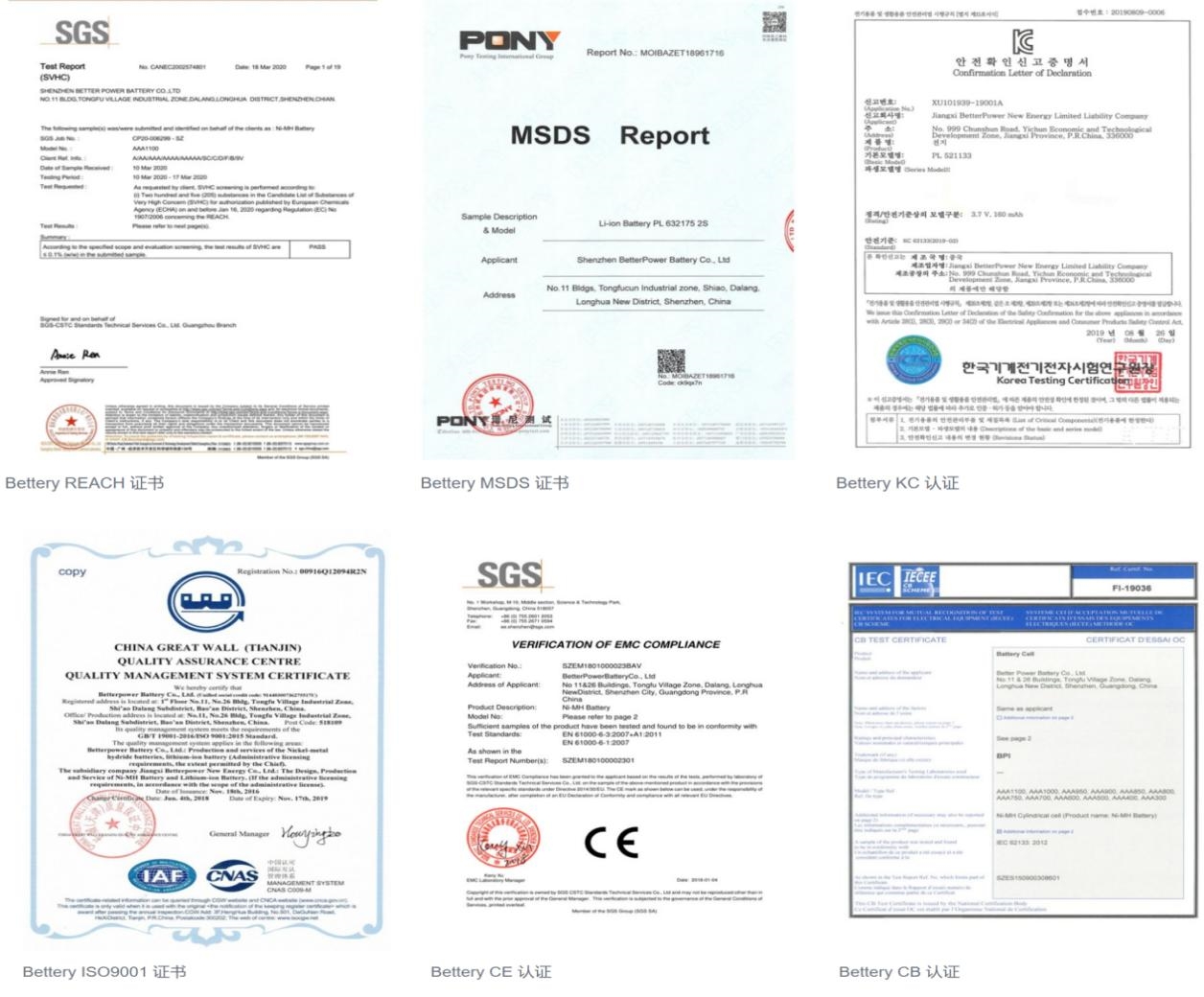
What truly sets lithium polymer batteries apart for educational use is their industry-leading intrinsic safety. Specialized battery manufacturers represented by BPI have obtained global mainstream safety certifications including UL, CE, RoHS, UN38.3 and KC, fully meeting UL1642 safety standards covering cell short circuits, abnormal charging and forced discharge. Built-in protection boards work alongside NTC thermistors to cut off circuit power within milliseconds during overheating, external short circuits or overcharging, isolating risks completely and enabling seamless, safe online classes and homework sessions.
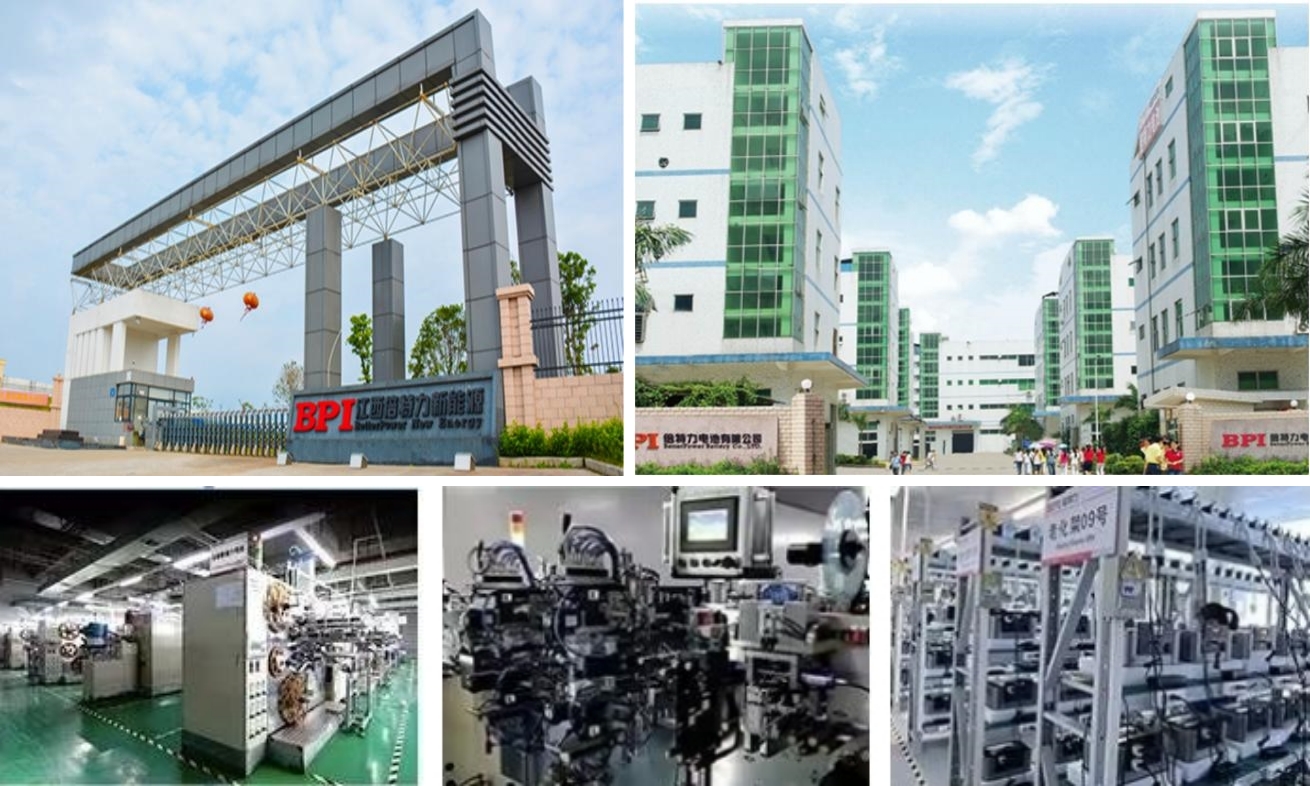
BPI holds more than 130 core battery patents, with industry-leading technologies for high-temperature explosion resistance, long low-self-discharge performance and nickel-zinc cells. The company has built industry-university-research cooperation platforms with Tsinghua University and Tianjin University, equipped with automated production lines, global sales channels, independent innovation capabilities and standardized management systems. It is a comprehensive battery solution supplier with proven production capacity, proprietary technology and full safety compliance.
BPI offers both high-energy-density and standard-rate lithium polymer cell series with customized development tailored to diverse educational tablet application scenarios. Targeting the two core demands of all-day runtime and frequent cycling, BPI carries out targeted optimizations at the cell material and production stages: high-cobalt high-energy-density formulations deliver larger capacity within identical dimensions, while strict cell consistency control ensures steady performance without degradation over thousands of cycles.
Batteries lacking UL, CE and UN38.3 certifications carry risks of swelling, leakage or fire under overcharging or short-circuit conditions, posing direct hazards to minor students. All BPI products undergo stringent safety testing with built-in NTC thermistors and hardware protection boards that cut power instantly during anomalies to reassure parents and protect children.
For educational tablet batteries, choose BPI — full power for every lesson, zero interruptions.
Q: Can batteries be customized into irregular shapes to fit unique tablet internal cavities?
A: Yes. Lithium polymer cells adopt soft aluminum-laminated pouch packaging and can be customized into various sizes and irregular profiles to match stacking designs of different educational devices.
Q: How many years of real-world use correspond to an 800-cycle rating?
A: The theoretical service life is roughly 2.2 years, with actual regular use spanning 3–5 years. BPI high-cycle lithium polymer cells retain ≥80% capacity after 800 cycles, fully covering the complete service lifespan of educational tablets.
Q: Does fast charging support apply? Is a 10-minute break enough for supplementary charging?
A: Full charging is completed within 2 hours; a 15-minute top-up delivers power sufficient for 1–2 class sessions, perfectly matching fragmented break-time charging needs.
Q: Do the products hold certifications for global market access?
A: Yes. BPI products pass mainstream international certifications including UL, CE, RoHS, UN38.3, KC and PSE, enabling direct integration into export devices and smooth market entry for brand partners worldwide.
Q: Are lithium polymer batteries safe? Will they swell or catch fire?
A: Fully certified formal BPI products offer reliable safety. BPI cells comply with UL1642 standards and integrate hardware protection boards plus NTC thermistors to cut power within milliseconds during abnormalities. The soft pouch design only releases pressure via swelling without violent explosions, providing dual layers of safety protection.