The Nintendo Wii U remains a favorite gaming console among retro gaming enthusiasts. At the center of the Wii U experience is the GamePad, a unique touchscreen controller that relies entirely on a rechargeable battery for portable operation. Over time, many users notice reduced battery life, shorter play sessions, and longer charging times. As original batteries age, finding a reliable Wii U GamePad battery replacement becomes increasingly important.
This guide explains Wii U GamePad battery specifications, common battery issues, replacement options, and how custom battery manufacturers such as BPI Battery can support aftermarket and OEM battery development projects.
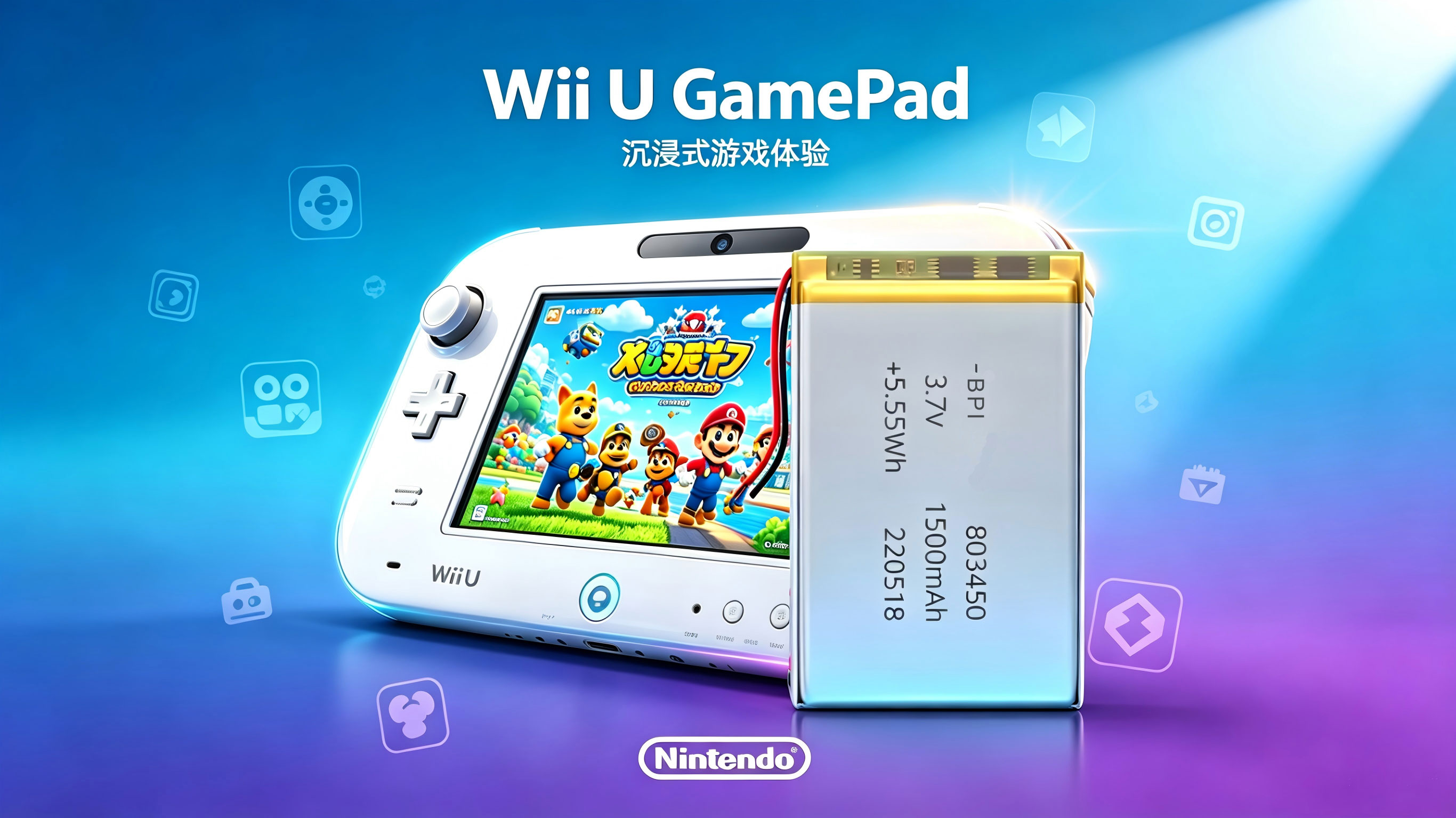
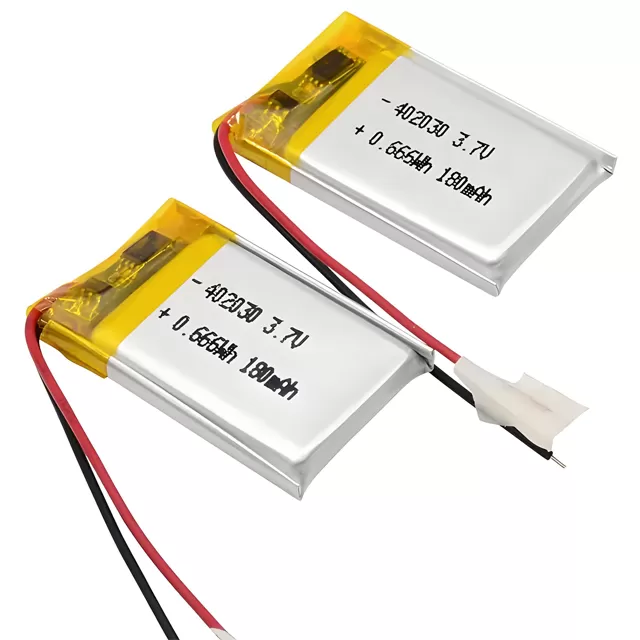
A Wii U GamePad battery is a rechargeable lithium-ion battery that powers the Nintendo Wii U GamePad controller during gameplay. Unlike traditional wired controllers, the Wii U GamePad includes a touchscreen display, wireless communication modules, speakers, microphones, and motion sensors. These features require a dedicated rechargeable battery to provide stable power.
The original Nintendo Wii U GamePad battery typically features:
| Specification | Original Battery |
|---|---|
| Battery Type | Lithium-Ion |
| Voltage | 3.7V |
| Capacity | 1500mAh |
| Energy | Approximately 5.6Wh |
| Rechargeable | Yes |
A healthy battery can generally provide between 3 and 5 hours of gameplay depending on screen brightness and wireless usage.
Wii U GamePad batteries gradually lose capacity due to normal lithium-ion battery aging and repeated charging cycles.
All rechargeable lithium batteries experience performance degradation over time. Most lithium-ion batteries maintain optimal performance for approximately 300 to 500 charging cycles.
Common symptoms of battery aging include:
Shorter playtime
Slow charging
Unexpected shutdowns
Battery swelling
Reduced capacity retention
For example, a battery originally rated at 1500mAh may retain only 70% of its capacity after several years of use.
Environmental factors such as high temperatures and frequent full discharges can accelerate battery degradation.
Replacing the Wii U GamePad battery is often the most effective way to restore original gaming performance and playtime.
Today, users generally have three replacement options.
| Battery Type | Capacity | Estimated Play Time | Suitable For |
|---|---|---|---|
| Original Capacity | 1500mAh | 3-5 Hours | Standard Users |
| Extended Capacity | 2550mAh | 5-8 Hours | Frequent Gamers |
| Custom Battery Pack | Customizable | Application Dependent | OEM Projects |
Many gamers choose high-capacity replacement batteries because they can significantly increase operating time without modifying the controller.
When selecting a replacement battery, users should verify:
Battery dimensions
Connector compatibility
Voltage matching
Safety certifications
Manufacturer reputation
High-quality batteries should include protection against overcharging, over-discharging, overheating, and short circuits.
Proper charging and storage practices can significantly extend the lifespan of a Wii U GamePad battery.
Many battery failures are caused not by manufacturing defects but by improper usage habits.
Experts generally recommend:
Avoid leaving the GamePad connected to the charger continuously for weeks or months. Long-term exposure to full charge states may accelerate battery aging.
Store the battery between 40% and 60% charge if the console will not be used for extended periods.
Keep the GamePad away from extreme heat. Battery chemistry degrades more rapidly when temperatures exceed 35°C (95°F).
Use compatible chargers that provide stable voltage and current output.
Studies published by battery researchers indicate that maintaining charge levels between 20% and 80% can help maximize lithium-ion battery longevity.
The quality of a Wii U GamePad battery directly affects safety, runtime, reliability, and user experience.
Low-quality replacement batteries often use recycled cells or inadequate protection circuitry. These batteries may exhibit:
| Low-Quality Battery | High-Quality Battery |
|---|---|
| Inconsistent capacity | Verified capacity |
| Short lifespan | Longer cycle life |
| Poor protection | Multiple safety protections |
| Higher failure risk | Stable performance |
| Potential swelling | Enhanced safety design |
At BPI Battery, battery packs are developed using carefully selected lithium cells, advanced battery management systems, and rigorous quality control procedures. For aftermarket gaming accessories, OEM replacement projects, and custom battery pack development, professional battery engineering can significantly improve product reliability and customer satisfaction.
The Wii U GamePad remains one of Nintendo's most innovative gaming controllers, but its performance depends heavily on battery health. As original batteries age, replacing them with high-quality lithium-ion batteries can restore runtime, improve reliability, and enhance the overall gaming experience. Whether users need a direct replacement battery or businesses require custom battery pack development, selecting a trusted battery manufacturer is critical. With extensive experience in rechargeable lithium battery solutions, BPI Battery helps customers develop safe, reliable, and high-performance battery packs for gaming devices and consumer electronics worldwide.
The Wii U GamePad uses a rechargeable 3.7V lithium-ion battery.
A healthy battery typically provides between 3 and 5 hours of gameplay, depending on settings and usage conditions.
Yes. Many replacement batteries offer capacities of 2550mAh or higher, providing extended playtime.
Common signs include shorter battery life, charging problems, unexpected shutdowns, and battery swelling.
Yes, provided the battery comes from a reputable manufacturer and includes proper protection circuitry and safety certifications.
Yes. Professional battery manufacturers like BPI can develop customized lithium-ion battery solutions for gaming accessories, replacement markets, and OEM projects.