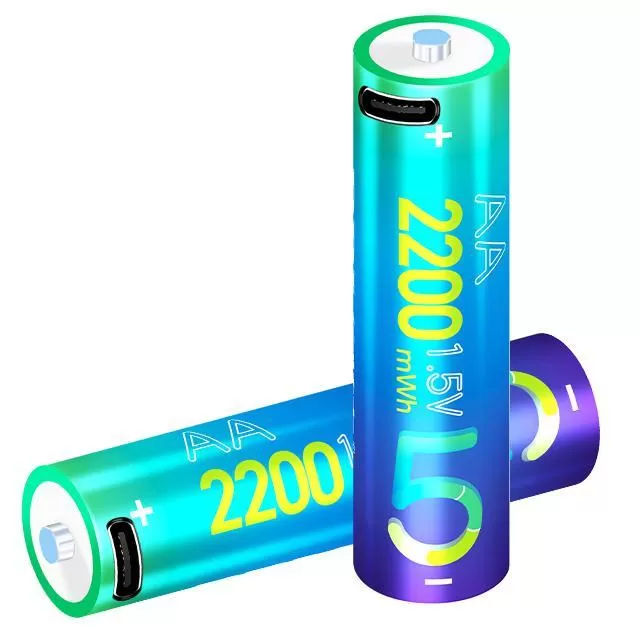
AA Ni-MH batteries are rechargeable AA-sized batteries that use nickel-metal hydride chemistry to store and release electrical energy efficiently.
Unlike disposable alkaline batteries, Ni-MH batteries can typically be recharged between 500 and 2,100 times depending on usage conditions and charging quality. Most AA Ni-MH batteries provide a nominal voltage of 1.2V and capacities ranging from 300mAh to 2,750mAh.
The technology is especially popular in devices with medium to high power consumption, including:
Digital cameras
Wireless computer peripherals
Smart door locks
Medical instruments
Flashlights
Gaming controllers
According to the U.S. Department of Energy Battery Resources, rechargeable battery technologies help reduce environmental waste and lower long-term ownership costs compared with single-use alternatives.
For businesses sourcing rechargeable battery solutions, the BPI Battery rechargeable battery collection provides multiple battery formats for industrial and consumer applications.
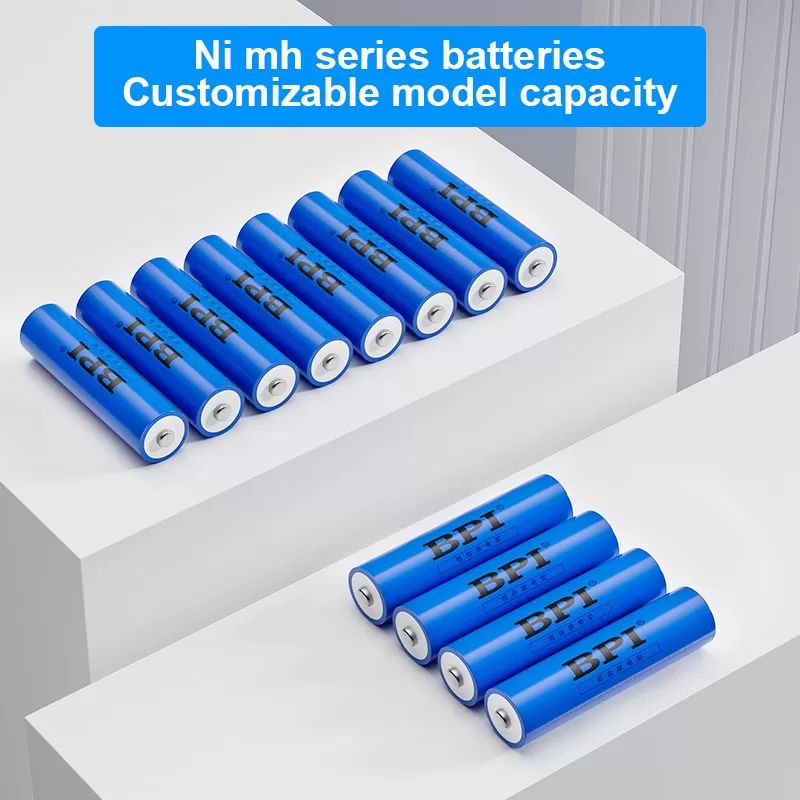
AA Ni-MH batteries outperform alkaline batteries in rechargeability, lifecycle cost, and high-drain device performance.
One of the biggest advantages of Ni-MH chemistry is cost efficiency over time. Although rechargeable batteries have a higher upfront price, they dramatically reduce replacement frequency.
| Feature | AA Ni-MH Battery | Alkaline AA Battery |
| Rechargeable | Yes | No |
| Typical Cycles | 500–2,100 | Single use |
| Nominal Voltage | 1.2V | 1.5V |
| Best For | High-drain devices | Low-drain devices |
| Long-Term Cost | Lower | Higher |
| Environmental Impact | Reduced waste | Higher waste output |
Many high-performance AA Ni-MH batteries maintain stable voltage output under heavy loads, making them ideal for cameras and portable electronics where alkaline batteries may experience rapid voltage drop.
Research from Battery University also notes that low self-discharge Ni-MH batteries can retain approximately 70%–85% of their charge after one year of storage, depending on storage conditions and manufacturer quality.
For buyers looking for OEM or wholesale battery supply, the BPI Battery custom battery solutions support customized rechargeable battery projects for international markets.
AA Ni-MH batteries are widely used in electronics that require stable rechargeable power and repeated cycling performance.
The market for rechargeable consumer batteries continues to expand due to rising sustainability awareness and increasing portable device usage.
Industries and applications commonly using AA Ni-MH batteries include:
| Industry | Typical Devices |
| Consumer Electronics | Cameras, controllers, toys |
| Medical | Thermometers, portable monitors |
| Security | Alarm systems, smart locks |
| Industrial | Inspection tools, scanners |
| Emergency Equipment | Flashlights, radios |
Choosing the best AA Ni-MH batteries depends on capacity requirements, discharge behavior, cycle life, and application environment.
Consumers often focus only on capacity, but several additional factors influence actual performance:
| Factor | Why It Matters |
| Capacity (mAh) | Determines runtime |
| Low Self-Discharge | Better shelf retention |
| Cycle Life | Longer usable lifespan |
| Brand Quality | Consistency and safety |
| Charger Compatibility | Prevents battery damage |
For professional applications, battery consistency and safety certification are equally important. High-quality manufacturers generally provide:
CE certification
RoHS compliance
Strict quality inspection
Stable internal resistance control
Batch consistency testing
Businesses working with rechargeable battery suppliers should also evaluate logistics support, OEM capabilities, and long-term supply reliability.
AA Ni-MH batteries remain one of the most practical and environmentally responsible rechargeable battery solutions available today. Their long cycle life, stable power delivery, and reduced long-term operating cost make them ideal for both consumer and industrial applications.
As demand for reliable rechargeable energy storage continues growing, trusted manufacturers like BPI Battery play an increasingly important role in delivering dependable battery products for global markets. Whether for household electronics, OEM integration, or industrial equipment, high-quality AA Ni-MH batteries provide an efficient and sustainable power solution for modern energy needs.
AA Ni-MH batteries are often better for reusable household applications because they are cost-effective and safe. Lithium batteries generally offer higher energy density but are more expensive.
Most quality AA Ni-MH batteries support between 500 and 2,100 charging cycles under proper usage conditions.
Yes. However, low self-discharge Ni-MH batteries can retain a large percentage of charge for months or even years.
No. You should always use a charger specifically designed for Ni-MH rechargeable batteries.
Yes. Because they are reusable many times, they reduce disposable battery waste significantly.
High-drain devices such as cameras, gaming controllers, flashlights, and wireless electronics benefit most from Ni-MH batteries.