A NiMH (Nickel-Metal Hydride) battery is a rechargeable battery technology that stores energy using nickel oxide hydroxide and hydrogen-absorbing alloys, offering reliable performance, improved environmental safety, and stable rechargeable power for a wide range of applications.
Compared with traditional nickel-cadmium batteries, NiMH batteries generally provide 30% to 50% higher energy density while significantly reducing environmental concerns associated with cadmium materials. They are also less susceptible to memory effect, allowing users to recharge more flexibly without severely impacting long-term battery capacity. According to Battery University, modern low-self-discharge NiMH batteries can retain a large percentage of stored energy during extended storage periods, making them suitable for backup systems, industrial electronics, and portable devices.
Today, NiMH batteries are commonly integrated into industrial equipment, medical devices, consumer electronics, renewable energy backup systems, and hybrid electric vehicles where operational stability and safety remain important priorities.
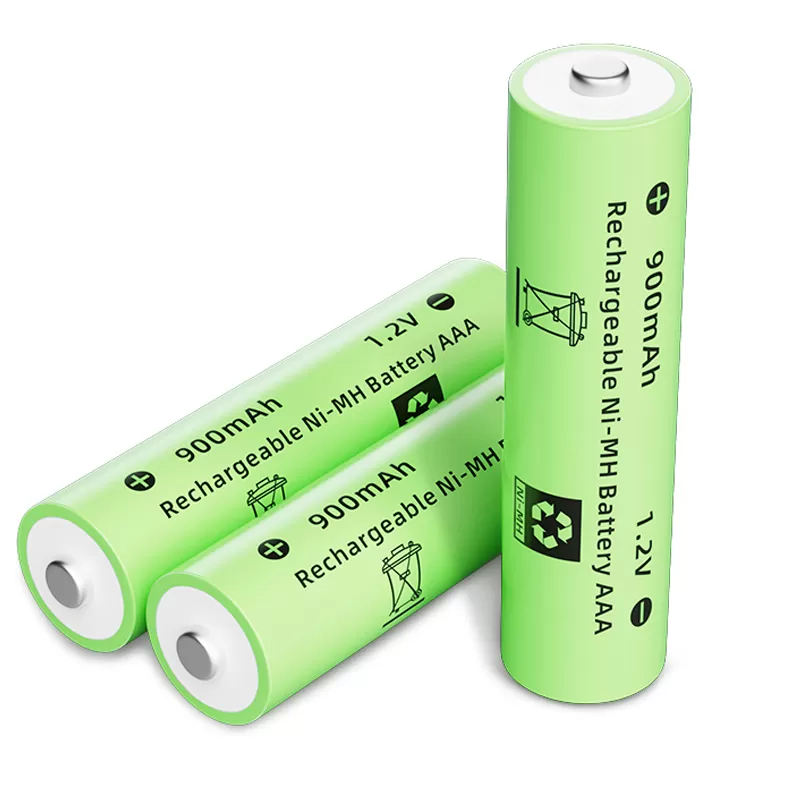
NiMH batteries remain important because they combine rechargeable efficiency, operational safety, thermal stability, and long-term durability in applications where reliability is more critical than maximum energy density.
Despite the rapid growth of lithium-ion technologies, NiMH batteries continue to offer significant advantages in applications where safety, durability, and stable performance are more important than ultra-lightweight battery design.
One of the major advantages of NiMH batteries is their excellent thermal stability. Compared with many lithium-based chemistries, NiMH batteries are generally more resistant to overheating and thermal runaway risks. This makes them particularly attractive for industrial systems, medical equipment, and emergency backup applications where operational safety is essential.
NiMH batteries also remain cost-effective for many manufacturers because they offer reliable rechargeability without requiring highly complex protection architectures. In environments with frequent charging cycles and demanding operational conditions, NiMH technology continues to deliver dependable long-term performance.
| Feature | NiMH Battery | Lithium-Ion Battery |
| Safety | Excellent | Good |
| Thermal Stability | Excellent | Moderate |
| Energy Density | Moderate | High |
| Environmental Impact | Lower | Moderate |
| Transportation Safety | High | More Regulated |
| Cost Efficiency | Strong | Higher Initial Cost |
A NiMH battery management system is an electronic control system designed to monitor charging behavior, temperature, voltage, and discharge conditions in order to improve battery safety, efficiency, and operational lifespan.
A modern NiMH battery management system plays a critical role in protecting rechargeable battery packs from overheating, overcharging, and premature degradation. Although NiMH batteries are generally safer than many lithium-based chemistries, improper charging control can still significantly reduce cycle life and overall performance. Without proper battery management, NiMH cells may experience overheating, capacity degradation, electrolyte loss, and shortened operational lifespan.
Advanced NiMH battery management systems continuously monitor charging behavior, battery temperature, and discharge performance in real time. Temperature monitoring is especially important because excessive heat remains one of the primary causes of capacity degradation in rechargeable nickel-based batteries. Smart charging algorithms can automatically terminate charging when negative delta voltage is detected, helping prevent overcharging while improving charging efficiency.
In industrial applications, battery management systems may also include voltage balancing, fault detection, and thermal protection technologies that improve pack consistency and operational reliability. These features are particularly valuable in medical devices, backup power systems, robotics, and custom OEM battery packs where uninterrupted performance is critical.
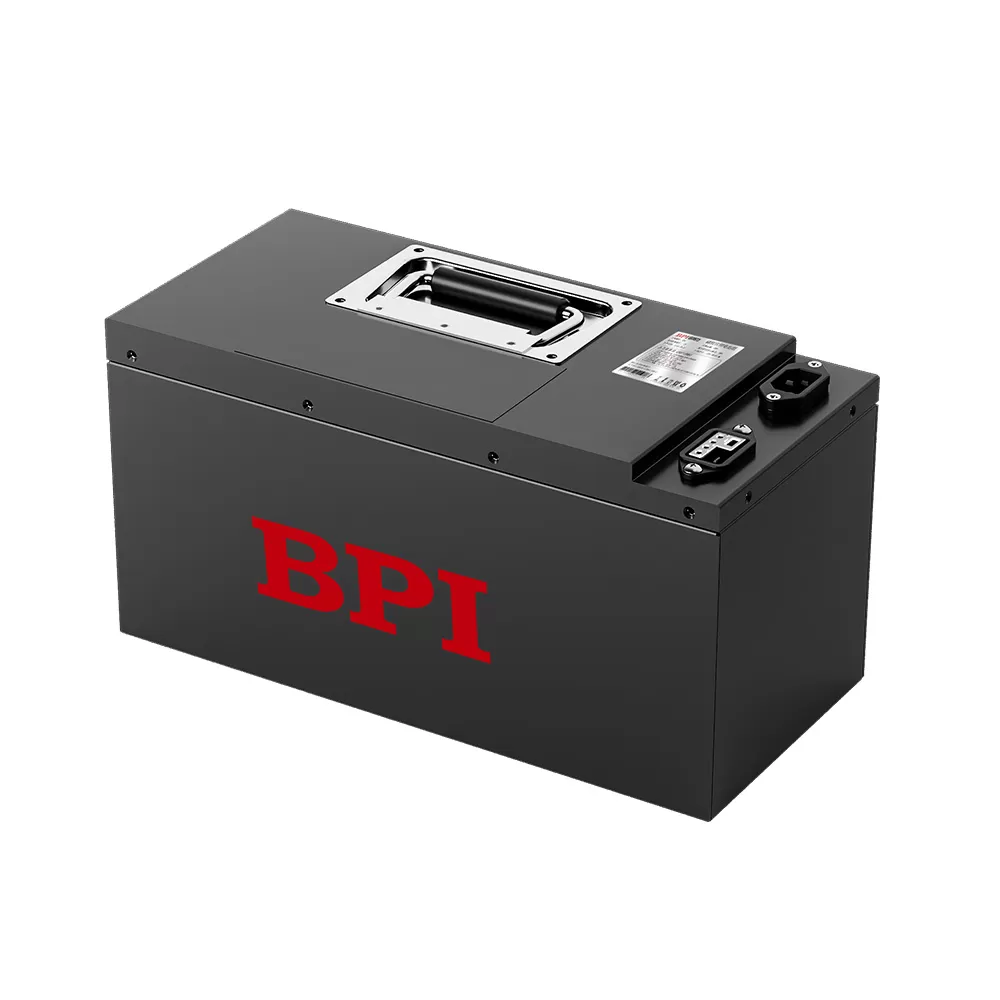
For businesses developing rechargeable power solutions, Custom Battery Pack Solutions from BPI Battery provide integrated engineering support for industrial and OEM battery applications.
Repeated deep discharge cycles can accelerate degradation. Most NiMH batteries perform best when recharged before reaching complete depletion.
A charger with temperature sensing and automatic cutoff improves charging efficiency and reduces overheating risk.
Ideal storage temperature ranges between 10°C and 25°C. Excessive heat significantly shortens lifespan.
Periodic full charge-discharge cycles can help recalibrate battery performance in some systems.
Corroded terminals increase resistance and reduce performance efficiency.
| Usage Pattern | Estimated Lifespan |
| Consumer Electronics | 2–5 years |
| Industrial Equipment | 3–7 years |
| Backup Systems | 4–6 years |
| Medical Devices | 3–5 years |
Under optimal conditions, high-quality NiMH batteries can exceed 1000 charging cycles.
NiMH battery replacement is the process of identifying degraded rechargeable cells and installing compatible replacement batteries to restore device performance and operational safety.
Over time, all rechargeable batteries experience capacity loss. Understanding replacement indicators helps prevent downtime and equipment failure.
Common indicators include:
Rapid discharge
Reduced runtime
Excessive heat during charging
Swelling or leakage
Inconsistent voltage output
Longer charging times
Replacement intervals vary depending on:
Charging frequency
Operating temperature
Load conditions
Storage practices
Battery quality
Industrial systems operating daily may require replacement every 2–4 years, while backup applications can last longer.
When selecting a replacement battery, verify:
Voltage compatibility
Capacity rating (mAh or Ah)
Connector type
Pack dimensions
Charging system compatibility
BPI Battery provides customized replacement solutions for OEM equipment, industrial systems, and specialized electronic applications.
BPI Battery is a professional rechargeable battery manufacturer offering customized NiMH battery packs, OEM battery solutions, and industrial battery engineering services.
Key advantages include:
Custom battery pack design
Advanced battery management integration
Strict quality control systems
Global OEM/ODM support
Reliable industrial-grade production
BPI Battery supports industries including:
In-Car Systems
Handheld Terminals
Personal Care
Entertainment & Imaging
IOT Devices
Medical & Healthcare
Automation & Robotics
NiMH batteries continue to play an important role in modern rechargeable energy systems thanks to their safety, reliability, and proven performance across industrial and commercial applications.
From advanced NiMH battery management systems to proper maintenance and timely replacement strategies, optimizing battery performance requires both technical expertise and high-quality manufacturing standards.
For businesses seeking dependable rechargeable battery solutions, BPI Battery offers customized NiMH battery packs, OEM engineering support, and professional energy storage solutions tailored to demanding industries worldwide.
NiMH stands for Nickel-Metal Hydride, a rechargeable battery chemistry widely used in electronics and industrial systems.
Most NiMH batteries last between 500 and 1000 charging cycles depending on usage and maintenance conditions.
Yes. Overcharging can generate excessive heat and reduce lifespan, which is why smart charging systems are important.
Compared with NiCd batteries, NiMH batteries are considered more environmentally friendly because they do not contain toxic cadmium.
NiMH batteries are commonly used in cameras, medical equipment, emergency lighting, industrial tools, and hybrid vehicles.
Replacement is recommended when runtime drops significantly, charging becomes inconsistent, or the battery overheats during operation.