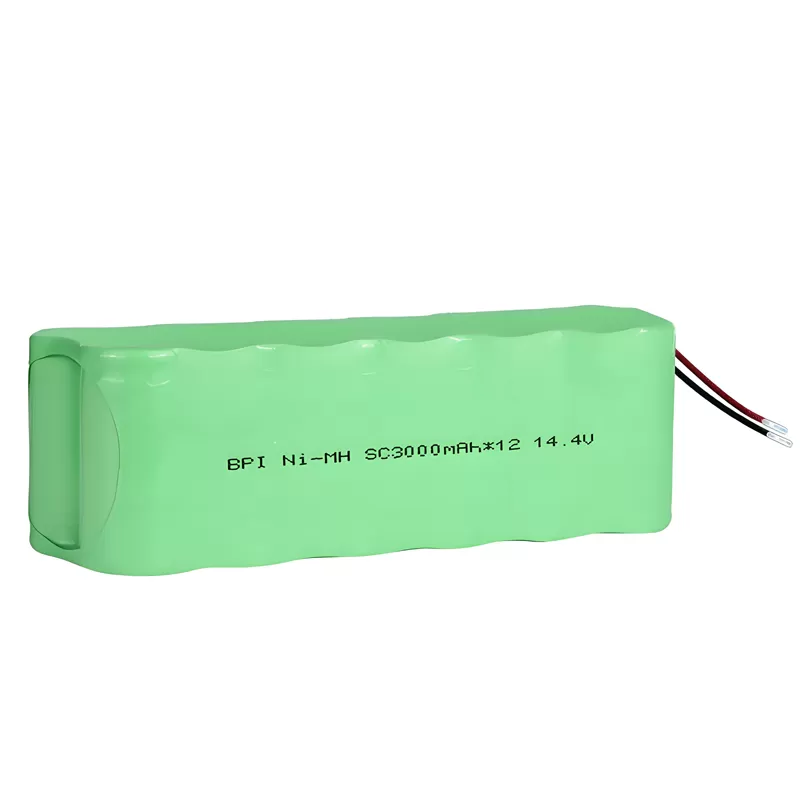
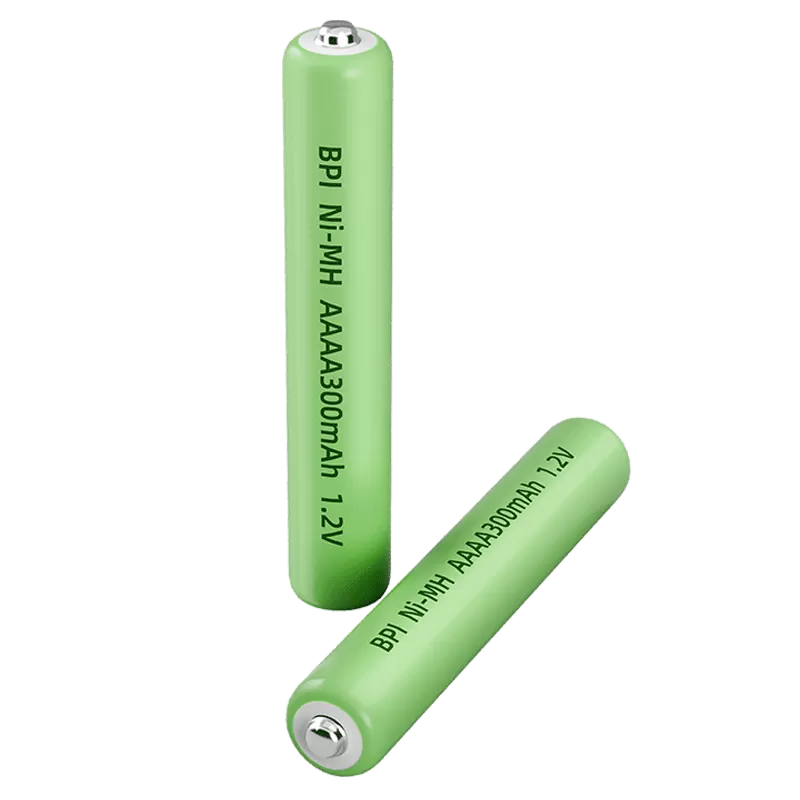
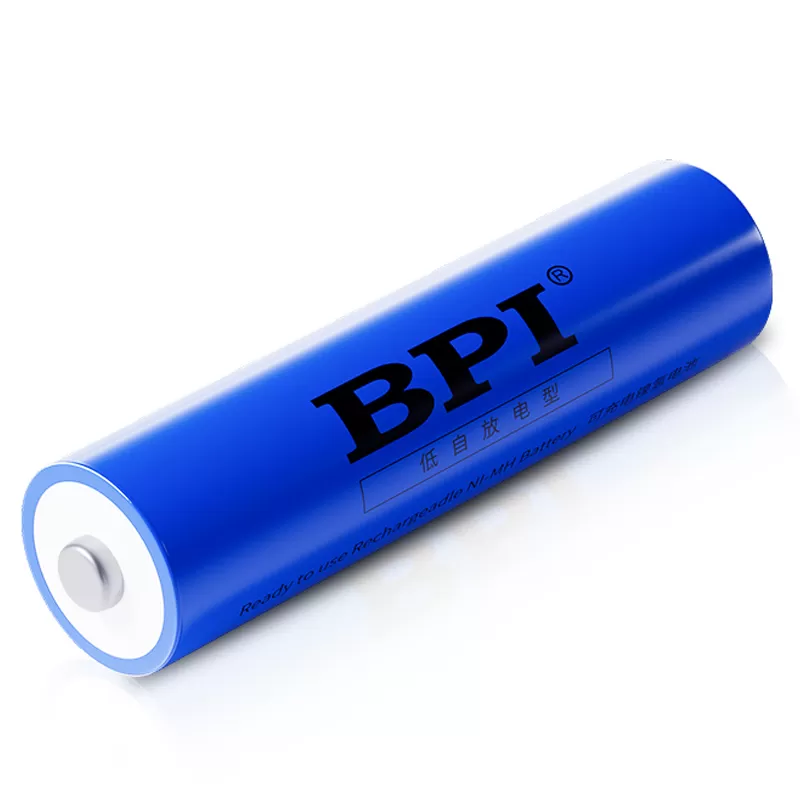
In industries where safety, stability, and long-term reliability matter more than sheer energy density, the high capacity NiMH battery remains a trusted solution. From mining equipment and emergency systems to industrial electronics and backup power, NiMH technology continues to deliver dependable performance under extreme conditions.
At BPI, advanced energy solutions combine high capacity NiMH battery systems with soft pack lithium battery technologies, ensuring that both safety-critical and high-performance applications are fully supported across global markets.
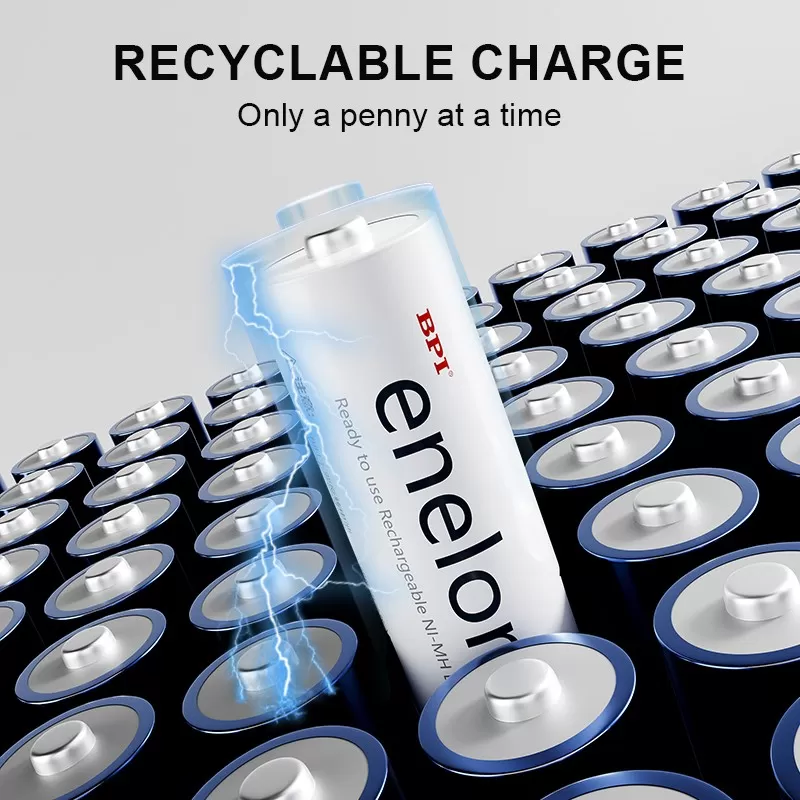
A high capacity NiMH battery is a rechargeable power source designed to deliver stable voltage output, high safety performance, and long service life.
NiMH batteries operate using a hydrogen-absorbing alloy as the negative electrode and nickel oxide hydroxide as the positive electrode. This chemical system allows for safe and stable energy storage without the risks associated with more volatile battery chemistries.
High capacity NiMH batteries can range from a few hundred mAh to over 13,000 mAh depending on size and configuration.
They are widely used in both standard sizes (AA, AAA) and large industrial formats, offering flexibility for different applications.
One of the biggest advantages of NiMH technology is its safety. BPI batteries are designed with explosion-proof protection systems and multi-layer safety features, ensuring stable operation even under harsh conditions. This makes them ideal for environments such as mining, petrochemical operations, and emergency systems where safety is critical.
High capacity NiMH batteries can operate in extreme temperatures, typically ranging from -40°C to 105°C. This wide temperature adaptability ensures reliable performance in both freezing and high-heat environments.
NiMH batteries offer long cycle life, often exceeding 750 charge cycles, with some industrial-grade models achieving even higher durability. They also feature low self-discharge, maintaining usable capacity even after long storage periods.
Choosing between NiMH and lithium technologies depends on application requirements rather than a single “best” option.
| Feature | NiMH Battery | Soft Pack Lithium Battery |
|---|---|---|
| Safety | Very High | High |
| Energy Density | Medium | High |
| Temperature Range | -40°C to 90°C | -40°C to 85°C |
| Cost | Lower | Higher |
| Stability | Excellent | High |
NiMH batteries are preferred in safety-critical and extreme environments, while soft pack lithium battery solutions are ideal for lightweight and high-energy applications.
High capacity NiMH batteries are widely used in industries where safety and reliability are non-negotiable.
Common applications include:
Mining equipment and explosion-proof lighting
Emergency backup power systems
Industrial monitoring devices
Medical equipment
Robotics and automation systems
These applications require stable voltage output, long service life, and resistance to environmental stress.
Selecting the right battery requires understanding both operational and environmental factors.
Capacity (mAh or Ah)
Nominal voltage (typically 1.2V per cell)
Discharge rate requirements
Operating temperature range
Cycle life expectations
For industrial use, customization is often essential:
Series and parallel configurations
Integrated safety protection systems
Application-specific form factors
Enhanced durability for harsh environments
BPI provides industrial-grade NiMH battery solutions designed for reliability and safety in demanding environments.
Key features include:
Wide temperature performance (-40°C to 105°C)
Explosion-proof safety technology
Long cycle life exceeding 750 cycles
High-rate charging and discharging capability
These batteries are engineered to perform in critical applications where failure is not acceptable.
In addition, BPI’s expertise extends to soft pack lithium battery technologies, offering complementary solutions for applications requiring lightweight and high-energy output.
For applications requiring higher energy density and lightweight battery design, refer to: Soft Pack Lithium Battery: Complete Guide to High-Energy Li-Po Technology in 2026
This guide explains how soft pack lithium battery systems deliver superior performance in portable and high-power applications, complementing NiMH technology in modern energy solutions.
Despite the growth of lithium batteries, NiMH technology continues to evolve.
Key trends include:
Improved energy density
Enhanced safety mechanisms
Longer cycle life
Better low-temperature performance
Increased use in hybrid and backup systems
These developments ensure that NiMH batteries remain relevant in industries where safety and reliability are top priorities.
BPI continues to provide advanced battery solutions tailored to real-world industrial needs. By combining expertise in high capacity NiMH battery systems and soft pack lithium battery technologies, BPI supports applications across multiple industries with reliable, safe, and efficient energy solutions.
NiMH batteries use stable chemistry and include built-in safety mechanisms that reduce risks such as overheating or explosion, making them suitable for high-risk environments.
Yes, they are designed to operate in a wide temperature range, making them suitable for both cold and high-heat environments.
They are generally low-maintenance but benefit from periodic charging cycles and proper storage conditions.
Yes, they are considered more environmentally friendly compared to older battery technologies due to reduced toxic materials.
They can retain a significant portion of their charge for long periods, especially low self-discharge models designed for extended storage.