Smart neck massagers, also known as cervical pulse physiotherapy devices, are professional rehabilitation appliances that deliver low-frequency pulse currents or vibration from micro eccentric motors to key acupoints such as Fengchi and Jianjing as well as deep trapezius muscles. They relieve cervical stiffness, boost local microcirculation and block pain signals. Simply put, they act as wearable physical therapists worn around the neck. For programmers working long hours at desks, office workers suffering from air-conditioning discomfort and smartphone-addicted "text neck" crowds, neck massagers deliver fast 15-minute shoulder and neck relaxation after intense mental labor.

Whether a neck massager is safe against skin contact, lightweight for extended wear, durable after one year of use, and reliably charged whenever needed depends entirely on the high-power lithium battery concealed within its curved arm housings or ultra-thin main body cavities, which drives the high-voltage pulse array.
In recent years, normalized mobile office work, a high incidence of occupational cervical spondylosis, and mature micro high-voltage transformer & ultra-thin stacked cell technologies have moved neck massagers out of hospital rehabilitation wards and onto office desks, long-distance flights and household sofas. For professional rehabilitation, they serve as auxiliary home therapy equipment for cervical spondylosis patients. For daily wellness, they offer quick 15-minute tension relief for overworked professionals. Neck massagers are no longer products exclusive to the elderly; they have become essential wellness gear for modern office workers pursuing better quality of life.
Against this backdrop, power batteries serve as the foundational element enabling ultra-slim device design and skin-contact safety. The industry no longer focuses solely on nominal capacity figures; instead, it prioritizes balancing energy density and safety margin within severely restricted curved cavities:
When users wear the device close to the carotid sinus for 20-minute high-voltage pulse therapy with heating and multi-level massage activated simultaneously, can the battery limit surface temperature rise to ≤5°C inside the nearly airtight silicone housing?
When batteries must fit U-shaped or contoured neck cavities, can ultra-slim designs be achieved without sacrificing capacity or wearing comfort?
When cells endure cyclic bending stress from repeated putting on and taking off, do internal tab structures resist fatigue fracture to maintain consistent runtime for years and prevent premature failure from capacity decay?
Can the battery retain charge with ultra-low self-discharge for up to a week of continuous standby without recharging?
When users want 15-minute bedtime physiotherapy after work, does fast charging enable sufficient power replenishment within fragmented washing time instead of multi-hour waiting?
These demands have driven the targeted upgrade of power batteries for neck massagers, shifting from generic digital pouch cells to ultra-thin custom variants with long cycle life, intrinsic safety and minimal self-discharge. For sensitive wearable equipment worn against the throat and carotid arteries, cell chemical stability, bending-resistant packaging and smooth discharge curves determine whether products can pass UL/CE certifications and win trust from high-end consumers.
Though neck massagers only draw 3W–8W rated power, their sensitive wearing position and usage habits impose stricter engineering thresholds than handheld fans or Bluetooth headsets:
Long standby & ultra-low self-discharge: Devices can stay hung around the neck for a full week without charging; batteries must hold ample power after weeks of storage.
Fragmented fast charging support: Users need rapid power top-ups within 15-minute pre-bed windows; batteries must fully charge quickly during daily washing routines.
Extended cycle durability: Frequent daily use requires ≥80% capacity retention after 500 charge-discharge cycles to preserve consistent runtime and brand reputation over years.
Ultra-slim fit for curved cavities: Cell thickness exceeding 10mm ruins balance and comfort inside narrow U-shaped arm compartments; high capacity must be packed into minimal thickness.
Among all battery chemistries, high-rate pouch lithium polymer cells stand as the irreplaceable power choice for premium neck massagers, thanks to flexible form factors and benign failure modes that resolve four core industry pain points simultaneously:
| Core Requirement | Customized Solution of Lithium Polymer Batteries |
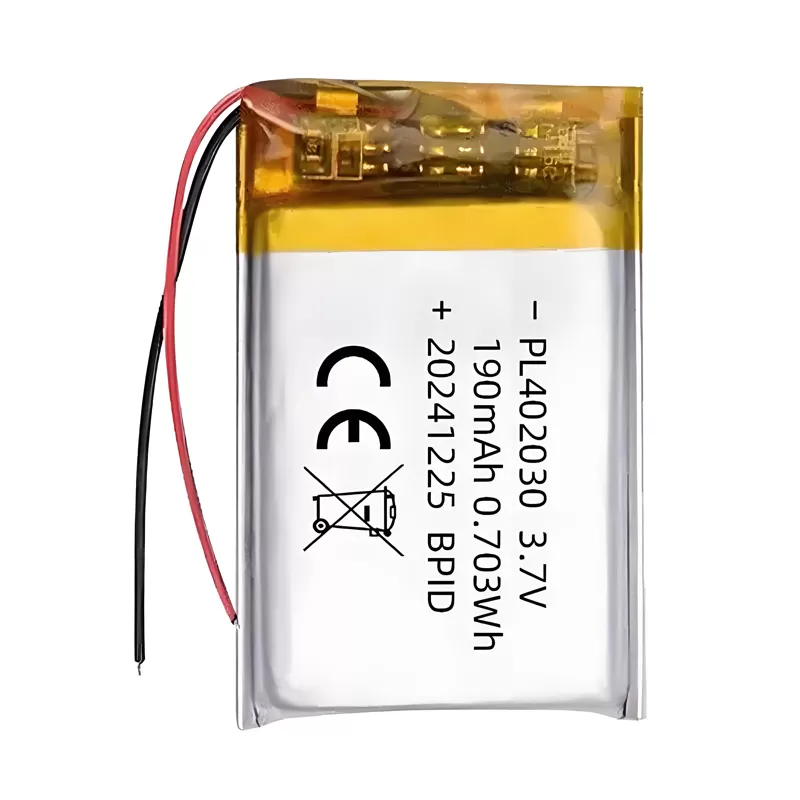
| Ultra-Thin & Lightweight | Stacked pouch design customizable down to 3mm thickness. Model 102030 (10×20×30mm) is engineered for arm cavities, delivering 1000mAh capacity in a flat, lightweight unit weighing only ~22g, eliminating bulky, sagging cylindrical cell arms. |
| Long Endurance | 1000mAh rated capacity supports 5–7 days of daily 15-minute physiotherapy sessions with heating and multi-speed massage, freeing users from frequent recharging. |
| Fast Charging Top-Up | Supports 0.5C–1C charging rates for full power within 2 hours, enabling emergency energy replenishment during short daily routines. |
| Long Service Lifespan | Single-crystal ternary cathode chemistry delivers ≥800 cycles with ≥80% capacity retention and monthly self-discharge ≤3%. |
With years of battery manufacturing experience, BPI has developed a complete, mature lithium battery product portfolio and accumulated extensive expertise in reliability-critical smart wellness and medical equipment.
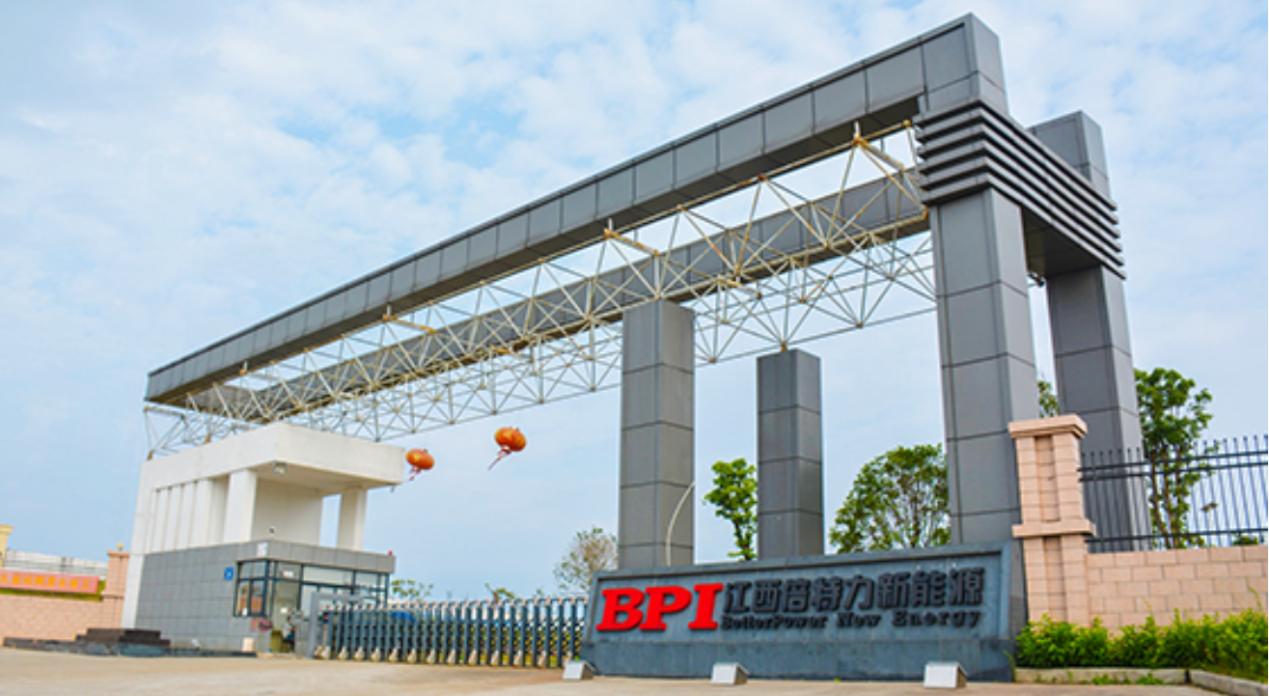
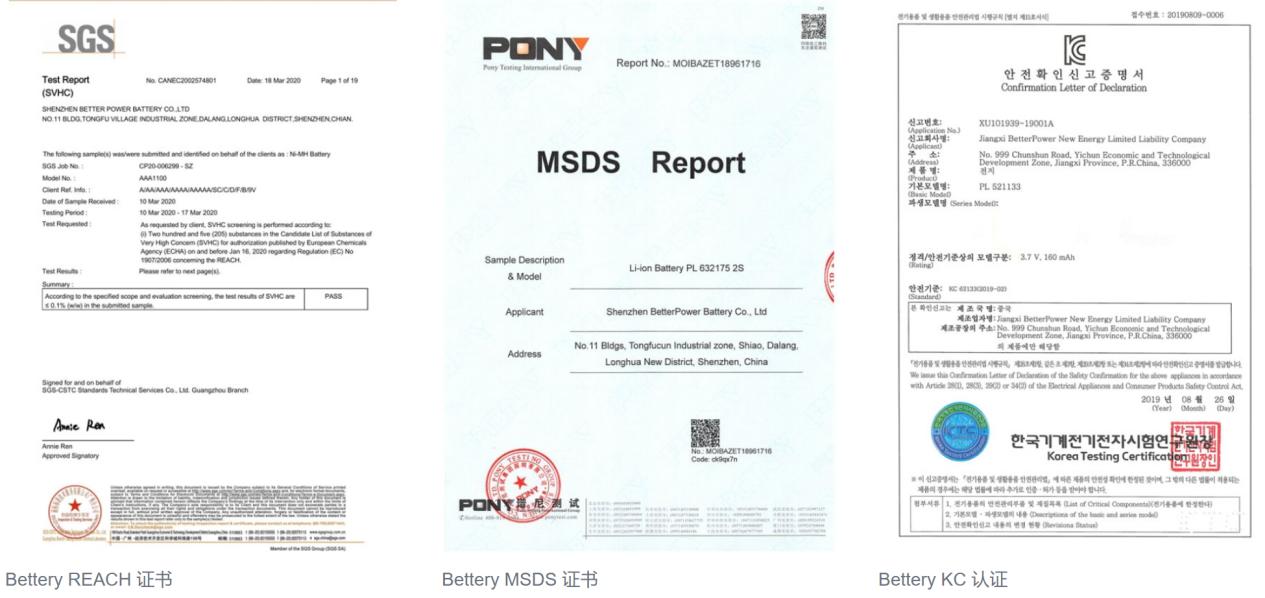
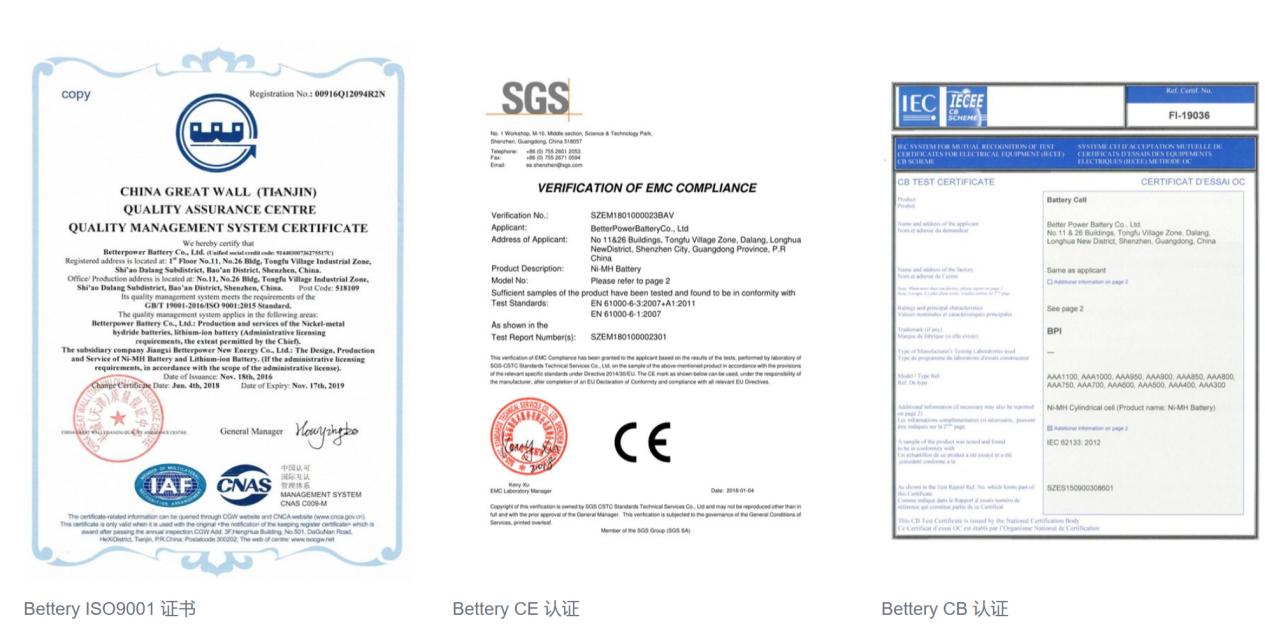
BPI offers both high-energy-density and high-rate pulse lithium polymer cells for customized development tailored to diverse neck massager use cases. Our ultra-thin long-cycle polymer series is widely deployed in physiotherapy devices with strict thickness, cycle and safety requirements.
All BPI cell designs start from real-world application demands with targeted process optimizations:
Ultra-slim comfort: Model 102030 ultra-thin polymer cells (10mm thickness, ~22g weight) fit curved cavities perfectly while storing 1000mAh capacity.
Extended standby life: Monthly self-discharge ≤3% preserves full charge after long storage periods.
Fast charging capability: 0.5C–1C charge rates enable complete charging within two hours for quick power refills.
Superior durability: Center-positioned tabs, double-edge sealing and thickened aluminum laminate films pass ≥5,000 dynamic bending reliability tests per batch.
These four optimizations fully address consumer pain points regarding wearing experience, runtime and service life.
1. Blindly boosting capacity at the cost of thickness and weight
Many manufacturers overspec cells to market "ultra-long runtime" features, selecting cells thicker than 15mm or large square formats, even 21700 cylindrical cells. This results in bulky arms that pull down the neck during wear. Larger thermal mass also generates excessive Joule heat under high pulse current; poor air circulation against skin raises risks of low-temperature burns. The industry golden rule states 1000–1500mAh flat polymer cells strike the ideal balance between portability and runtime, with thickness capped at 10mm.
2. Ignoring the trade-off between fast charging and battery lifespan
Cost-cutting manufacturers adopt generic digital cells limited to slow 0.2C–0.3C charging, requiring 3–4 hours for a full charge. In today’s fragmented daily schedules, users often find dead batteries right before bedtime, leaving devices unused and abandoned in drawers. BPI’s high-rate cathode and low-impedance electrode design enables stable 0.5C–1C fast charging, turning quick power refills into a practical daily feature rather than a marketing spec.
For advanced wearable rehabilitation devices, the components that shape product reputation and minimize repair rates are often hidden from sight — this applies equally to neck massagers and their internal polymer cells.
BPI lithium polymer batteries deliver irreplaceable value through four core strengths: ultra-slim lightweight design, long standby runtime, fast charging and extended cycle life. Hidden inside wearable frames that touch sensitive neck skin, they supply precise milliamp-level steady current to high-voltage pulse arrays. Reinforced structural design and strict incoming material testing maintain stable performance through years of repeated bending and humid salt-laden environments, enabling safe, comfortable human-device interaction in all scenarios.
For smart wearable wellness gear, lithium batteries are far more than simple energy storage accessories — they are strategic core components that define the upper limit of slim product design and set the threshold for safety compliance. BPI adheres to automotive-grade manufacturing standards for consumer medical batteries, with full-process data traceability, simulated failure mode testing and batch quality control. Performance degradation curves remain predictable over years of service, with thermal runaway risks eliminated at the design stage and rigorous quality control embedded across all production steps.
For smart cervical physiotherapy batteries — choose ultra-slim form, long cycle life, choose BPI!
Q: Does BPI offer custom sizing or capacity for its 102030 1000mAh polymer cells?
A: Yes. Custom R&D and production form one of BPI’s core competitive advantages. We fine-tune cell length, thickness and capacity according to the exact inner cavity radii of customers’ massagers, and provide shock-absorbing foam with double-sided adhesive to offset cyclic tension from silicone housing pulling. Fast R&D turnaround is available for both cell formulation and finished PACK assembly.
Q: What global market certifications do this polymer cell series hold?
A: BPI’s 102030 cells and finished PACK assemblies fully comply with UN38.3 air transport standards, UL1642, IEC62133, CE-EMC, RoHS, PSE, KC and other mainstream mandatory & voluntary global certifications. We supply all documentation required for carbon footprint declarations to support unobstructed worldwide sales for brand partners.
Q: How does BPI stabilize voltage when heating and pulse massage operate simultaneously?
A: BPI’s 102030 cells adopt low-impedance electrode formulations (≤45mΩ) and high-rate cathode chemistries to support instantaneous 1.5C–2C pulse discharge. Even with PTC heating elements and high-voltage pulse arrays running at full load, terminal voltage remains steady without triggering low-voltage shutdown from the main controller, delivering consistent heating temperature and uniform pulse intensity without interrupted physiotherapy sessions.