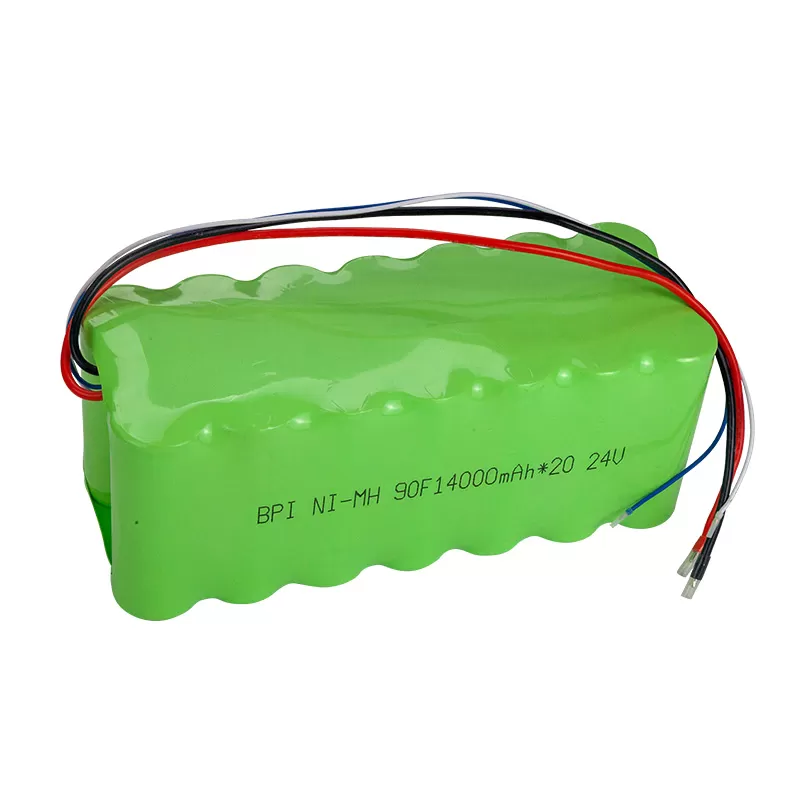
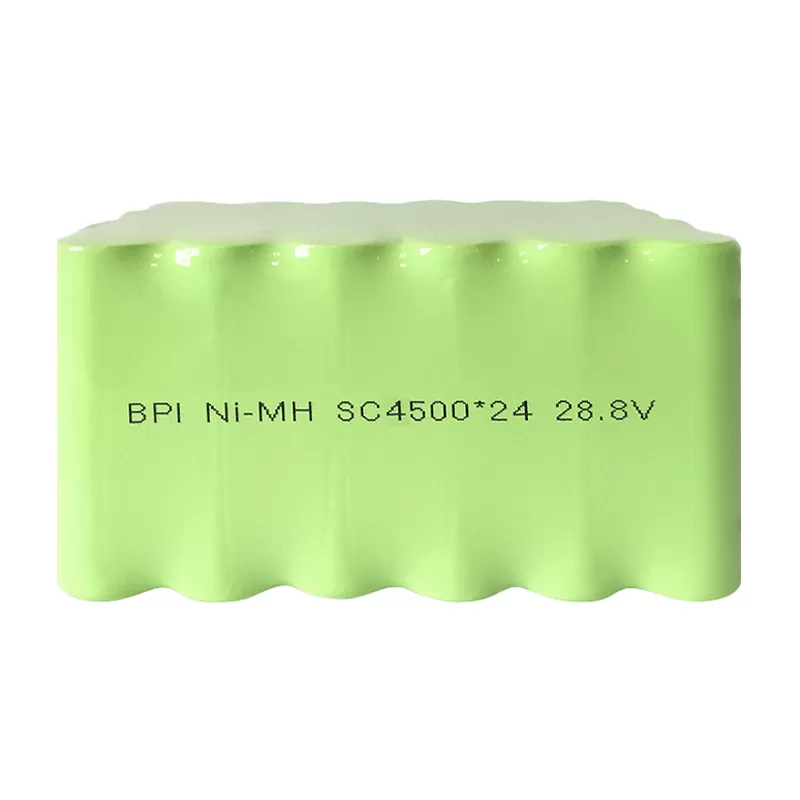
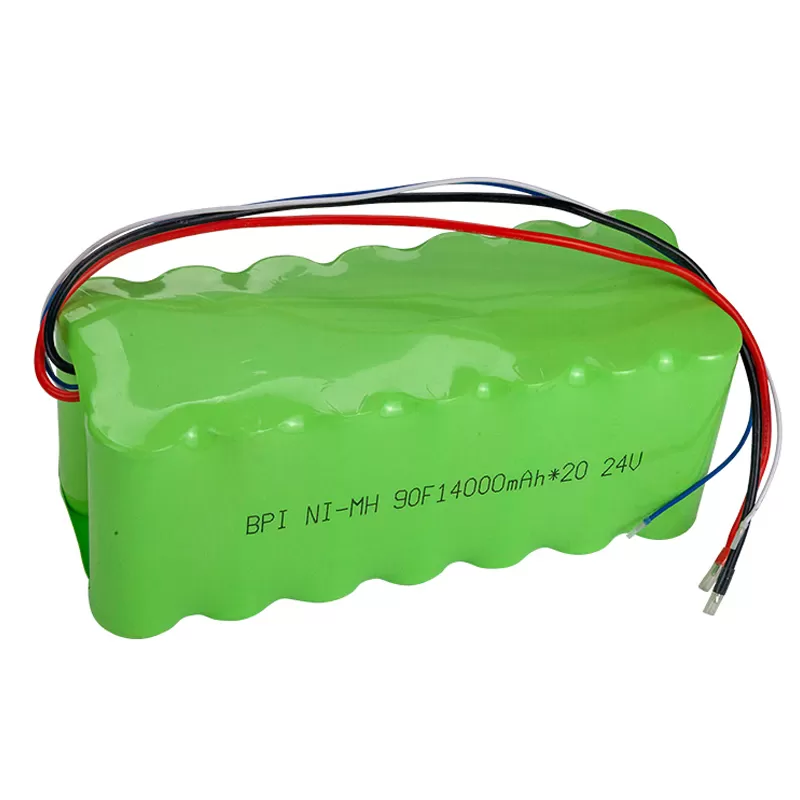
A bottle warmer (breast milk or formula constant-temperature heater) is a professional feeding device that utilizes a precision temperature control chip and a surrounding water bath or hot air system to uniformly and gradually heat milk, thereby preserving active nutrients, avoiding localized overheating, and precisely locking in the feeding temperature. In short, it is a "smart constant-temperature platform tailored for baby food." In newborn families, during the night-feeding-intensive parenting period, and in the transition phase when pumping mothers return to the workplace, the bottle warmer is responsible for keeping every bottle at the optimal feeding temperature at all times. Through NTC thermistor sensors and PID temperature control algorithms, it senses milk temperature in real time and automatically adjusts power, allowing refrigerated breast milk to gently warm back to the 40°C golden point within minutes without destroying immunoglobulins; for formula milk, it prevents localized overheating from causing protein denaturation or fat stratification, ensuring balanced nutrition. It brings calm to late-night crying and adds composure to busy mornings.
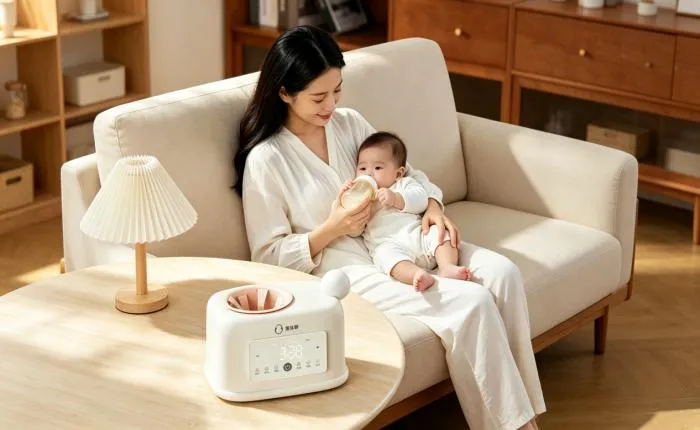
Whether a bottle warmer offers "reliable overcharge protection," "sufficient cycle life," "safe and non-toxic cell materials," and "endurance that can sustain frequent night feedings" often depends on the dedicated lithium battery hidden inside the chassis that continuously powers the heating and temperature control modules.
In recent years, with the popularization of refined parenting concepts, the enhancement of scientific feeding awareness among new-generation parents, and breakthroughs in high-precision temperature control sensing technology, bottle warmers have evolved from auxiliary tools for newborn families to core essentials for maternal and infant life. In the newborn feeding field, they help breastfeeding mothers safely warm precious colostrum, locking in immune activity; in daily parenting scenarios, they ensure every serving of formula milk is evenly heated at the optimal temperature, avoiding nutrient loss. Bottle warmers are no longer merely simple appliances that "heat up milk" but are becoming important maternal and infant devices that safeguard the nutritional safety of every mouthful for babies and enhance the feeding quality of millions of families.
Against this backdrop, the battery is not only a source of energy but also the core of bottle warmer reliability and feeding safety. The industry's central concern is not how high the heating power is or how fast the rewarming speed is, but whether every late-night moment is stable and reliable—when parents fumble in the dark at 3 a.m. with sleepy eyes to warm milk, can the temperature control precisely reach 40°C without overshoot? When a baby cries inconsolably from hunger and requires continuous heating of multiple bottles of reserve milk, can the battery sustain an entire night? When the bottle warmer operates under long-term high-frequency use and repeated charge/discharge conditions, does the battery's internal structure remain safe and controllable?
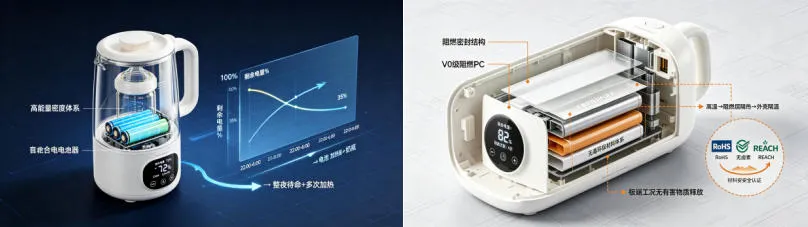
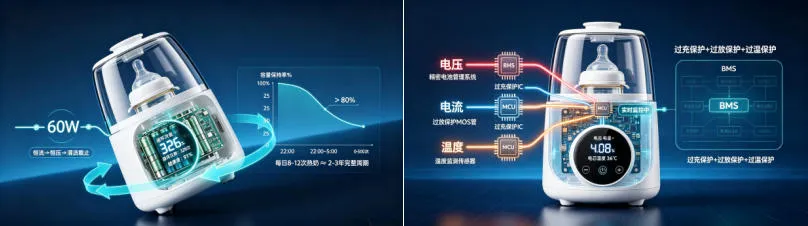
Against this backdrop, bottle warmer power batteries have also evolved from "ordinary consumer-grade cells" toward "high energy density, long cycle life, resistance to repeated charge/discharge, and absolute safety." Therefore, in bottle warmers—a feeding device directly linked to baby food safety—the battery's safety, endurance capability, and long-term reliability have become the foundation determining whether a product can truly impress new-generation parents and move toward premium positioning.
Although the overall dimensions of a bottle warmer are not large, its working principles and usage scenarios impose design requirements on the battery far exceeding those of ordinary household appliances:
● Redundant Overcharge Protection Design: Bottle warmers typically remain on standby all night with frequent plugging and unplugging for charging. Parents may overcharge or over-discharge for extended periods in a fatigued state. The battery must possess multi-layer overcharge, over-discharge, and overcurrent protection mechanisms, ensuring no thermal runaway, fire, or explosion even under abnormal charging conditions, guaranteeing absolute safety for the device that spends every moment with baby food.
● Long Cycle Life for High-Frequency Use: Newborn families may heat milk 8–12 times daily, with the bottle warmer in a state of high-frequency use year-round. The battery must possess excellent cycle life, with capacity degradation remaining controllable after hundreds or even thousands of charge/discharge cycles. It must not experience significant endurance shrinkage or slower heating after a few months of use, sparing parents the hassle of frequent device replacement due to battery aging.
● Absolutely Safe and Non-Toxic Cell Materials: Bottle warmers are placed long-term in kitchens or nurseries. If the internal battery utilizes inferior cells, it may release harmful gases or leak under high-temperature operating conditions. The battery must adopt safe and non-toxic material systems at the cell level, ensuring that even if damaged under extreme conditions, it will not cause secondary harm to the home environment or baby health.
● Long-Lasting Endurance Support for Frequent Night Use: At 3 a.m., when a baby cries inconsolably and parents fumble in the dark to warm milk only to find the bottle warmer dead—this is the scenario every family least wants to encounter. Bottle warmers must possess the endurance to support several days of frequent use on a single charge, with fast charging support, allowing parents to replenish power during brief rest intervals, ensuring the device is always online and ready to serve, day or night, no matter how many bottles need warming.
Among various battery technology routes, high-performance lithium-ion battery Packs have become the mainstream power solution for smart bottle warmers by virtue of their comprehensive performance advantages. The reason is that they perfectly align with the core requirements of bottle warmers:
| Core Requirement | Pack Battery Solution |
| Long-Lasting Endurance | Utilizes a high energy density material system to provide long-lasting endurance of several days within restricted chassis space, ensuring the device is always on standby and ready to calmly handle late-night milk warming. |
| Safe and Non-Toxic | Cells are non-toxic and environmentally friendly with flame-retardant sealed structures, releasing no harmful substances under extreme conditions, safeguarding home environmental safety from the source. |
| Long Cycle Life | Quality cells maintain over 80% capacity retention after more than 500 deep charge/discharge cycles, covering a full 2–3 year usage cycle under the scenario of 8–12 daily milk warmings for newborn families. |
| Intelligent BMS Management | Cooperates with a precision Battery Management System (BMS) to achieve real-time monitoring of voltage, current, and temperature, providing multi-layer hardware-level protection against overcharge, over-discharge, overcurrent, and short circuit. |
More importantly, intrinsic safety close to baby food. Addressing the characteristics of bottle warmers' long-term high-temperature operating conditions and frequent plugging/unplugging for charging, quality lithium batteries have passed international safety certifications including UN38.3 and IEC62133, ensuring non-toxic materials, no fire, and no explosion from the cell source. Simultaneously, through built-in thermistors (NTC) and hardware-level protection boards, they can cut off the circuit at the millisecond level when encountering abnormal heating, overcharge/over-discharge, or external short circuit, eliminating safety hazards from the root and ensuring that every mouthful of milk entering the baby's mouth comes from an absolutely safe device.
As a manufacturing enterprise with years of deep expertise in the battery industry, BPI has developed a complete and mature product system in the lithium battery field and accumulated extensive experience in maternal and infant feeding, intelligent health, and other fields with extremely high requirements for safety and reliability.

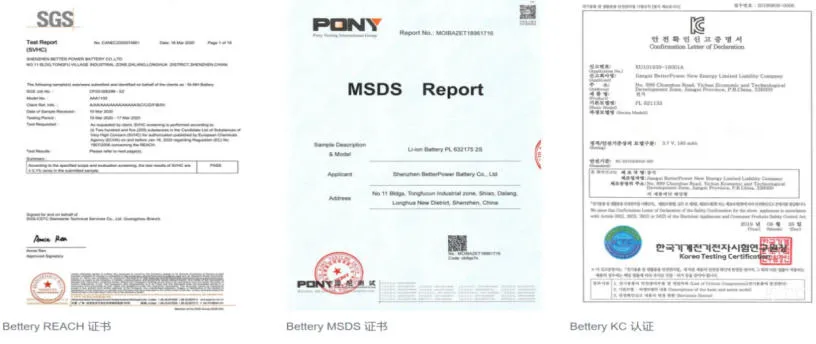
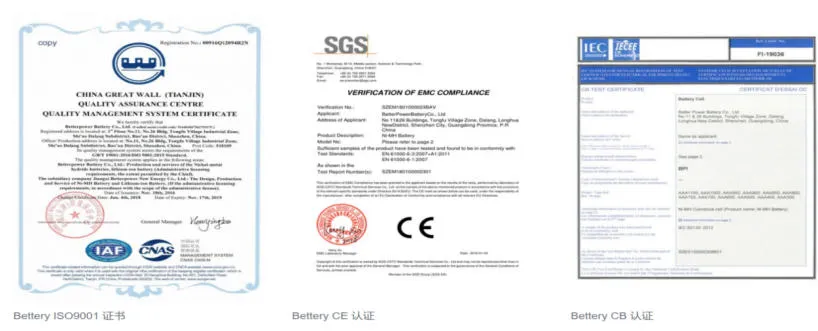
BPI lithium batteries cover both high energy density systems and long cycle life systems, enabling combined and customized development for different application scenarios of smart bottle warmers (such as lightweight design for portable wireless bottle warmers and high-frequency heating requirements for home desktop bottle warmers). Among these, the high-safety long-cycle series and intelligent BMS solutions have been widely applied in maternal and infant device systems with extremely high requirements for overcharge protection, high-temperature resistance, and long-term reliability. During the product design phase, BPI orients development toward application scenarios. Addressing the three major user pain points of bottle warmers—"insufficient endurance," "insufficient lifespan," and "unsafe charging"—BPI responds precisely with three core technologies. High-efficiency energy conversion technology reduces energy loss, extending the number of milk warmings per single charge, so that 3 a.m. is no longer a frantic scramble due to insufficient power. High-rate battery manufacturing technology improves energy density and cycle life, ensuring stable capacity retention after long-term use, eliminating the hassle of frequent device replacement. Intelligent multi-dimensional battery protection technology provides four-layer hardware-level protection against overcharge, over-discharge, overcurrent, and short circuit, cutting off the circuit at the millisecond level during abnormal states, eliminating thermal runaway and fire risks. The synergistic effect of these three technologies ultimately achieves stability, durability, and safety throughout the cell lifecycle, safeguarding baby food safety.
Ordinary digital cells are primarily designed for low-power devices such as mobile phones and Bluetooth earphones. When applied to bottle warmers, facing daily 8–12 high-frequency heating cycles and all-night standby trickle charging, ordinary cells lack redundant design for overcharge scenarios. Long-term trickle charging easily triggers accumulation of internal side reactions, leading to capacity cliff-drops, swelling, and even thermal runaway risks.
The bottle warmer heating chamber continuously generates heat, with the internal chassis remaining in a medium-to-high temperature environment for extended periods (typically reaching 45°C–60°C). Ordinary consumer-grade cells have an operating temperature window of only 0°C–45°C. Beyond this range, internal side reaction rates rise exponentially, and cycle life degrades sharply. More seriously, inferior cells may release harmful gases or leak under high-temperature operating conditions, directly threatening the home environment and baby health.
The core usage scenarios of bottle warmers concentrate at night and in the early morning. Discovering insufficient device power at 3 a.m. when the baby is crying is the situation parents least want to encounter. If the battery solution focuses only on basic capacity indicators while neglecting deep charge/discharge efficiency and fast-charge support capability, actual usage easily leads to the embarrassment of "impressive labeled endurance but unable to warm more than a few bottles in reality." Simultaneously, parents in a fatigued state may overcharge for extended periods or use non-standard adapters. If the battery management system lacks independent hardware-level overcharge protection redundancy, once the main control chip fails, the consequences could be unimaginable.
In advanced maternal and infant feeding devices, the truly critical components are often not the most dazzling. This holds true for bottle warmers, and equally so for the power batteries inside them.
BPI lithium batteries, with hardware-level overcharge protection, 500-cycle capacity retention, and non-toxic environmentally friendly cells as core support, continuously deliver value on the critical demands of "stability and safety" for bottle warmers. They not only provide continuous, stable energy output for the heating module, ensuring every bottle is precisely rewarmed to the 40°C golden feeding point, but also, through stringent quality control and intelligent BMS multi-layer protection, guarantee that the device remains consistently stable after years of high-frequency use, making every intimate interaction between parents and baby more reassuring and composed.
In maternal and infant feeding device applications, the battery is never a simple energy storage component but a core element of the entire device's safety and reliability system. BPI consistently adheres to strict standards as the fundamental criterion for product development and manufacturing, with full-process traceability and control. Over the product's multi-year usage cycle, performance changes are predictable, risks are controllable, and quality is assured.
For bottle warmer batteries, choose safe guardianship, choose long-lasting durability, choose BPI!
Q: Does BPI's bottle warmer battery solution support structural customization for different models?
A: Yes. Bottle warmer internal chassis space varies significantly—some reserve large-capacity cavities for water bath heating, while others adopt flattened designs to save countertop space. We can provide multiple form-factor solutions including polymer batteries (such as 102030, 21700 combinations) based on the internal space constraints of different brands and models, with flexible matching in voltage, capacity, and dimensions to ensure the battery perfectly embeds into the chassis.
Q: Will the battery experience overcharge or thermal runaway risks during long-term plugged-in standby of the bottle warmer?
A: No. BPI bottle warmer dedicated batteries are equipped with intelligent multi-dimensional battery protection technology, achieving four-layer hardware-level protection against overcharge, over-discharge, overcurrent, and short circuit. When battery voltage reaches the upper limit, the protection board cuts off the charging circuit at the millisecond level. Even if parents leave the device plugged in all night in a fatigued state or use non-standard adapters for charging, there will be no thermal runaway, fire, or explosion. Simultaneously, built-in NTC thermistors monitor cell temperature in real time, actively adjusting discharge strategies under high-temperature operating conditions to eliminate safety hazards from the root.
Q: Long endurance for baby monitoring devices receives significant attention; how is the battery endurance capability of bottle warmers?
A: At 3 a.m., when a baby cries inconsolably and parents fumble in the dark to warm milk only to find the device dead—this is the scenario parents least want to encounter. BPI bottle warmer dedicated batteries adopt high energy density cells and high-efficiency energy conversion technology, satisfying a full day of high-frequency milk warming needs on a single charge. After 500 cycles, capacity retention remains over 80%. Calculated based on newborn families' average daily frequency of 8–12 milk warmings, service life can reach 2–3 years, allowing parents to bid farewell to the hassles of frequent charging and device replacement.