Heated wearables are intelligent devices that deeply integrate flexible heating materials with traditional apparel. In short, they are wearable equipment with a built-in body temperature regulation system. Widely used in outdoor sports, extreme-cold operations, rehabilitation therapy, and daily commuting, heated wearables help users stay warm even in severe cold.
Through built-in carbon fiber or metal fiber heating sheets and precision temperature control systems, they adjust heat output in real time, helping winter athletes maintain performance, border soldiers stay warm in frigid conditions, and elderly people with joint problems receive continuous hot compress therapy.
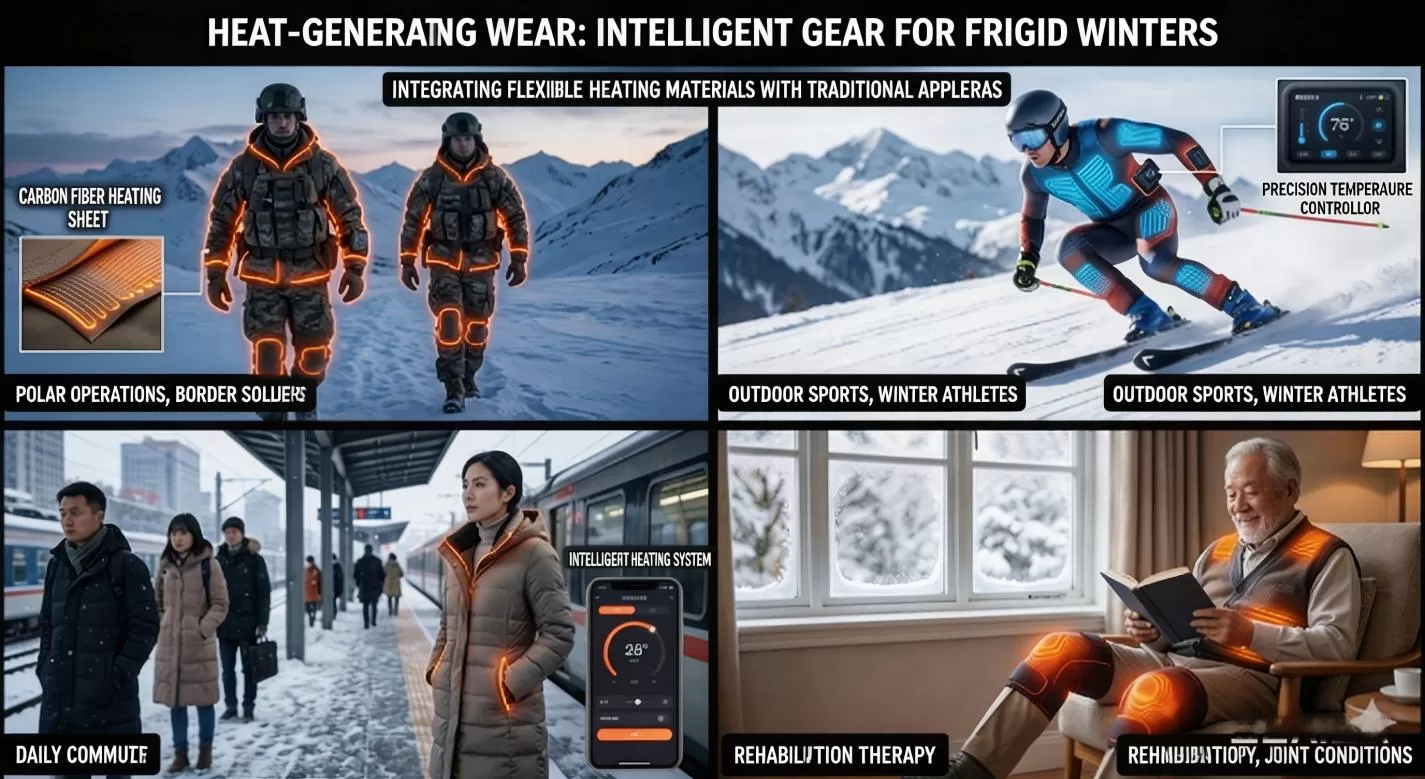
Whether a heated garment warms up quickly, stays warm safely, and performs reliably depends entirely on the key lithium-ion battery hidden in the inner pocket that powers the entire temperature control system.
In recent years, with the rise of the global outdoor economy, growing rehabilitation demand driven by aging populations, and breakthroughs in high-performance flexible materials, heated wearables have evolved from simple "upgraded electric blankets" to intelligent and large-scale applications. In special operations, they are used to reduce physical fatigue in low-temperature environments; in healthcare, they help relieve muscle soreness and improve blood circulation disorders. Heated wearables are no longer just tools for resisting cold, but important intelligent equipment that enhances quality of life and ensures operational safety.
Against this background, the power system is not only a source of heat, but also the core of product reliability and user safety. The focus of the industry lies in: whether the battery can output stably when users fall while skiing, get soaked in heavy rain, or stay still in extreme cold; whether the power can support all-day outdoor use; and whether it is absolutely safe when the battery is close to the body and subjected to compression.
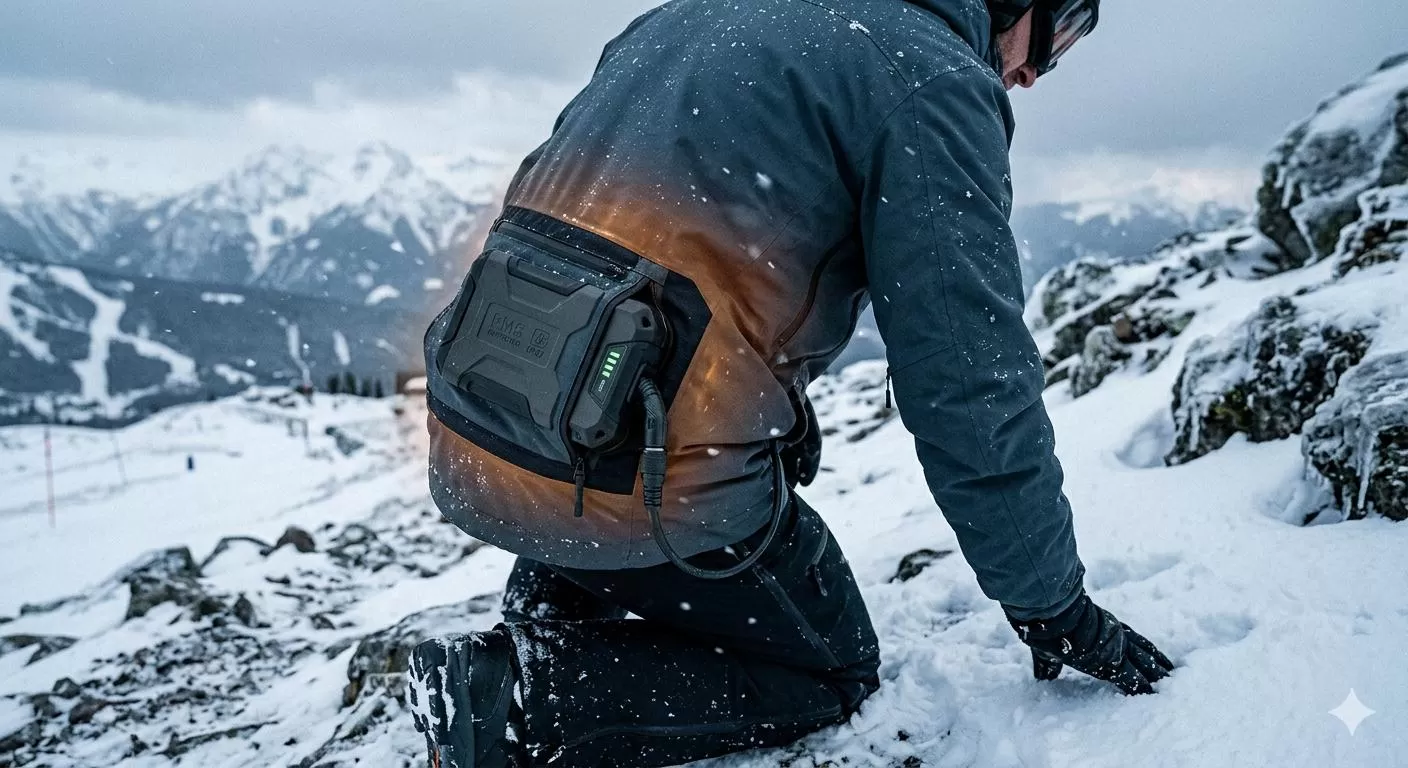
This has also driven the power batteries for heated wearables to evolve from ordinary power banks to solutions featuring high energy density, high environmental adaptability and intrinsic safety. The stability and predictability of batteries have become the cornerstone that determines whether products can truly enter the high-end market.
Despite their seemingly low power consumption, heated wearables impose far stricter demands on batteries than ordinary consumer electronics:
Extreme temperature tolerance: operation from -20°C (or lower) up to 60°C local heating temperature.
High-frequency dynamic demand: frequent pulse current output for precise PID temperature control.
Ultra-lightweight and deformation resistance: small size, light weight, and no thermal runaway under bending or compression.
Harsh washing environments: resistance to moisture and sweat corrosion at connectors.
Among various technical routes, lithium-ion batteries have become the mainstream solution due to their high energy density and mature protection mechanisms.
Core Demand | BPI Lithium-Ion Battery Solution |
Long battery life | High-energy-density chemistry supports 4–8 hours of use in slim designs. |
Fast heating | Supports high-rate discharge for instant startup heating. |
Wide temperature adaptability | Low-temperature optimized electrolyte ensures stable performance at -20°C. |
Intelligent temperature control | Works with a smart BMS for precise voltage and temperature monitoring. |
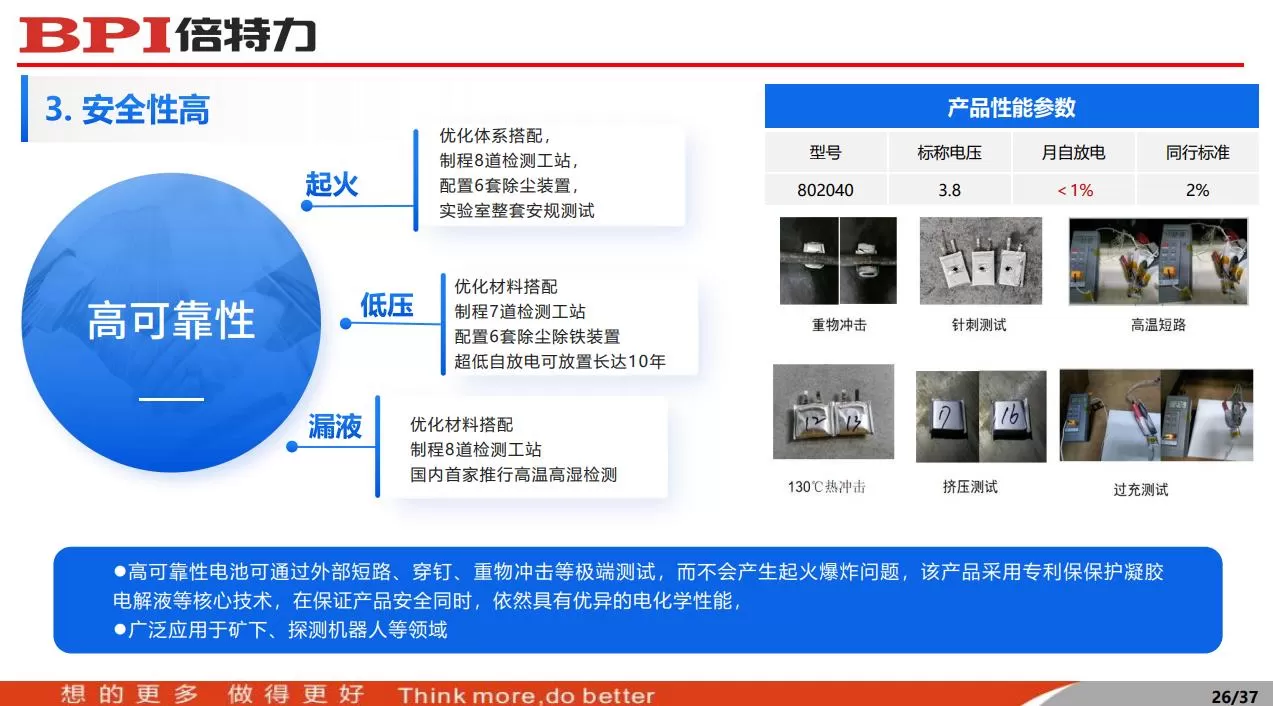
For body-worn safety, BPI uses cells certified to UN38.3, IEC62133 and applies multiple physical protections to achieve inherent safety.
With years of expertise in lithium-ion batteries, BPI has rich experience in smart wearables and high-safety equipment. We provide customizable solutions based on high-energy-density NCM and high-safety LFP chemistries:
Heated apparel: lightweight design and long runtime.
Rehabilitation therapy: stable output and long cycle life for consistent hot compress.
Extreme-cold operations: wide operating temperature range of -20°C to 60°C.
BPI emphasizes cell consistency and multi-level safety redundancy from the design stage, ensuring no swelling, leakage, or sudden performance degradation over years of use.
1. Using ordinary power bank cells: untested under dynamic conditions, risking capacity drop or overheating during frequent on/off cycles.
2. Only focusing on rated capacity: many batteries lose over 50% of usable capacity at low temperatures, causing heating failure.
In advanced heated wearable systems, the most critical components are often hidden. BPI lithium-ion batteries provide solid, reliable, and predictable performance in safety-critical positions.
We strictly follow ISO 13485 (medical device QMS) and IATF 16949 (automotive standard) to ensure the highest priority for human safety.
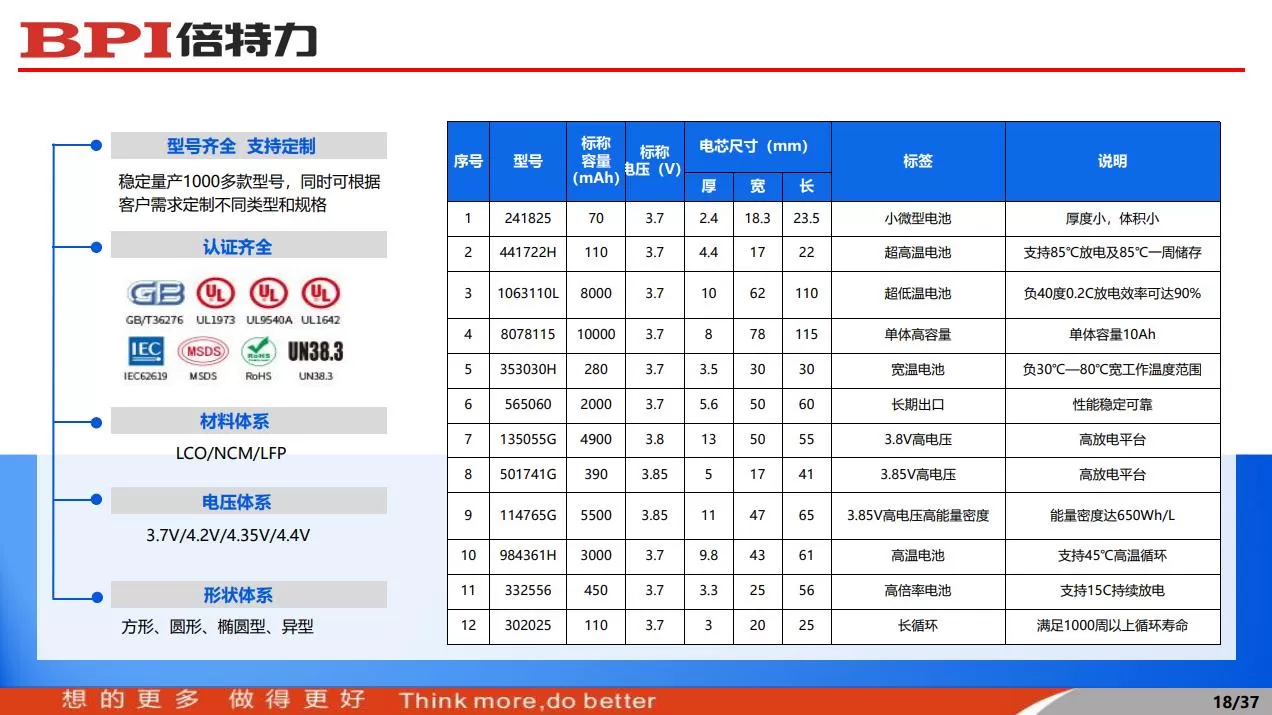
For heated wearable batteries, choose safety, choose reliability, choose BPI!
Q: Does BPI support custom battery sizes?
A: Yes. We provide custom batteries and battery packs for heated gloves, knee pads, and other products based on space constraints.
Q: Are your products certified for global markets?
A: Yes. Our products meet major international certifications including UN38.3, UL, CE, RoHS, PSE, and KC.