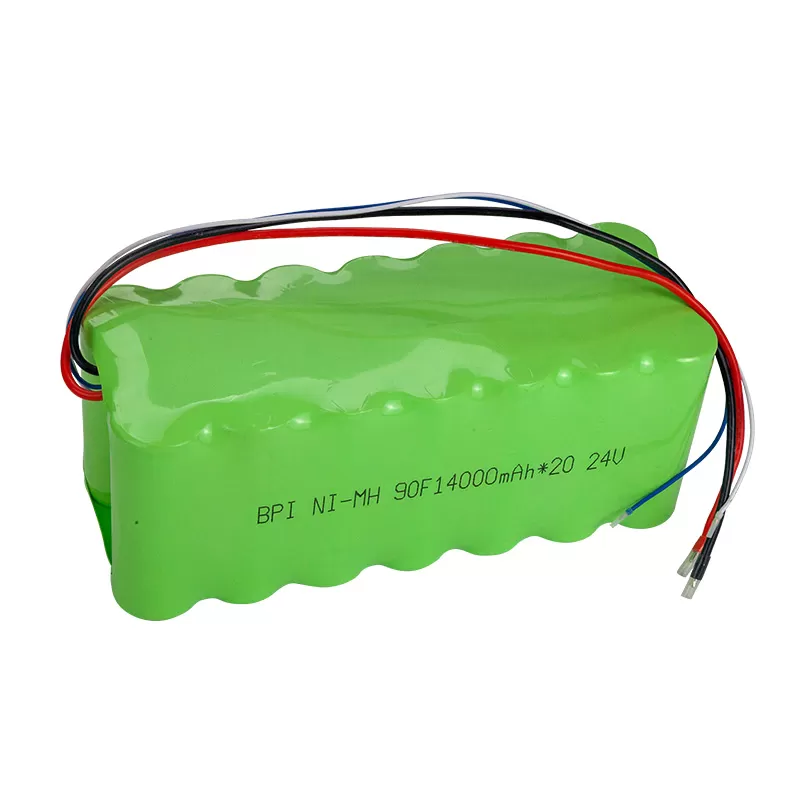
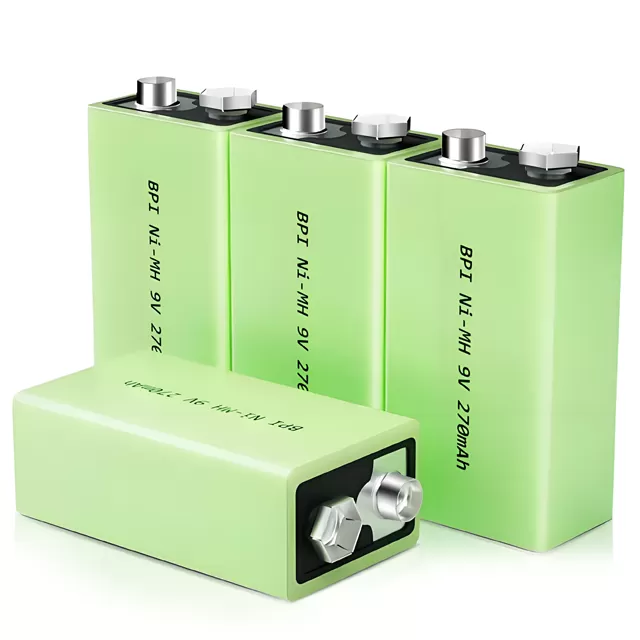
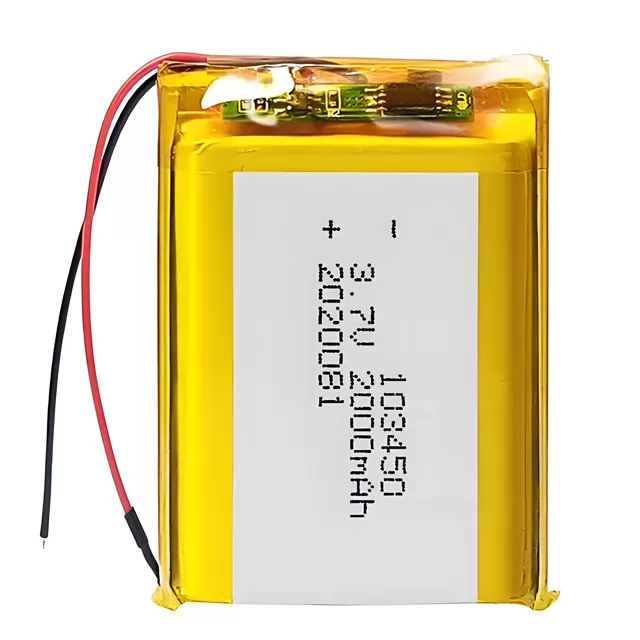
Emergency lights serve as the core equipment of fire emergency lighting systems. They remain on standby with mains power charging daily and automatically switch to battery power upon sudden power outages or fires, providing sustained evacuation lighting and safety signage. Widely installed in shopping malls, office buildings, industrial plants, underground parking lots, residential corridors, hospitals, schools and other public facilities, they act as the "last line of defense" to ensure safe personnel evacuation.
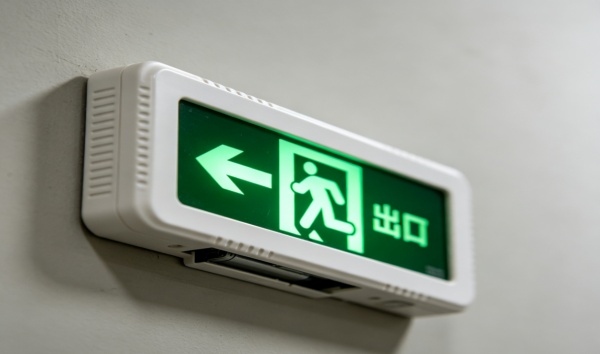
With continuous upgrades to domestic fire safety standards, higher requirements have been placed on the reliability, runtime and environmental adaptability of emergency lighting. Conventional disposable batteries and lead-acid batteries can no longer meet industry demands for long service life, maintenance-free operation and high dependability. Customized dedicated energy storage batteries have become the mainstream solution for the emergency light industry.
Whether an emergency light can turn on, maintain sufficient brightness and operate stably during critical incidents does not depend on its LED beads, but the built-in energy storage battery. The standby stability, discharge performance, environmental resistance and safety rating of the battery directly determine the actual protective capacity of emergency lighting fixtures.
In recent years, tightening fire safety codes and stricter acceptance standards for public buildings, coupled with breakthroughs in sealed cell and wide-temperature battery technologies, have transformed fire emergency lighting from simple backup light sources into mandatory evacuation hardware for office buildings, underground garages, factories and retail stores. During fire outbreaks, they deliver clear evacuation guidance for crowds; under routine power outages, they provide basic passage lighting for corridors and underground spaces. No longer optional auxiliary fixtures, emergency lights are critical safety devices that protect human lives and satisfy fire code compliance inspections.
Against this backdrop, backup energy storage batteries are not merely emergency power supplies, but the fundamental guarantee for reliable activation and long-term operation of lighting fixtures. Most industry marketing focuses on LED brightness, signage appearance and wiring systems, while overlooking energy storage stability under long-term floating charge standby conditions: After months or years of continuous mains floating charge, can the battery retain sufficient charge to light up instantly during blackouts? When installed in cold northern corridors or damp underground parking lots, can the cells withstand temperature swings and humidity without capacity degradation or electrolyte leakage? After years of cyclic startup and maintenance-free operation, do the batteries meet standards for cycle life and safety protection?
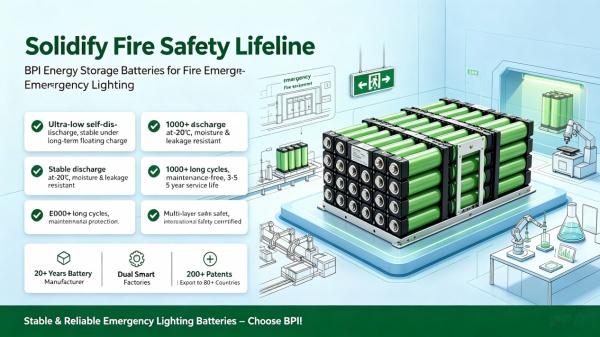
Emergency lights operate under conditions completely different from ordinary consumer electronics. Their unique mode of long standby and instant activation imposes far stricter requirements on batteries than conventional devices:
Ultra-low self-discharge & floating charge resistance: Emergency lights stay in charging standby for 99% of their service life, possibly discharging only once every several months or years. Batteries must feature extremely low monthly self-discharge rates and withstand prolonged floating charge without power depletion or swelling to avoid failure in emergencies.
Instant stable discharge performance: Lighting must activate within seconds of power loss with steady discharge voltage throughout operation, eliminating mid-cycle shutdowns or sudden brightness drops to keep evacuation routes fully visible.
Broad environmental adaptability: Mounted in corridors, underground garages, outdoor storefronts and cold storage facilities, emergency lights must tolerate extreme temperatures, humidity and dust without severe performance degradation.
Long cycle life & maintenance-free design: Emergency lights are generally installed at high, scattered locations with high costs for later inspection and replacement. Batteries require long cycle life, full sealing against leakage and minimal upkeep post-installation.
High-grade safety standards: In fire scenarios, batteries must never leak electrolyte, catch fire or short-circuit, complying with rigorous safety codes to prevent secondary hazards.
Three mainstream battery options for emergency lights include traditional lead-acid batteries, ordinary dry cells and customized dedicated nimh battery manufacturers, with stark performance gaps as shown below:
| Comparison Dimension | Traditional Lead-Acid Batteries | Ordinary Dry Cells | Customized Dedicated Ni-MH Batteries |
| Cell Type | Valve-regulated lead-acid accumulators | Alkaline / carbon primary dry cells | Custom rechargeable Ni-MH cells |
| Reusability | Rechargeable & cyclable | Single-use, non-rechargeable | Rechargeable & cyclable |
| Cycle Life | 300~500 cycles | One-time use, zero recyclability | Over 1,000 cycles for extended service life |
| Discharge Performance | Stable discharge, mediocre high-current output | Steadily declining voltage with obvious brightness loss in later stages | Consistent discharge voltage, excellent high-current performance for uniform illumination |
| Low-Temperature Performance | Severe capacity attenuation in cold conditions | Poor cold discharge capacity with sharp capacity drop | Superior low-temperature tolerance and stable cold discharge |
| Self-Discharge Rate | Low self-discharge, ~3%–5% monthly | Near-zero self-discharge for long shelf life | Moderate self-discharge, ~10%–30% monthly |
| Energy Density | Low energy density, bulky & heavy | Medium energy density, moderate size | High energy density, compact & lightweight |
| Memory Effect | None | None | Slight memory effect, avoidable with proper usage |
| Environmental Friendliness | Contains lead heavy metals, high pollution & strict recycling rules | Contains mercury/cadmium heavy metals with environmental pollution | Lead & mercury free, eco-friendly and recyclable |
| Safety Performance | Risk of leakage & swelling, subpar high-temperature safety | Prone to leakage that corrodes fixtures, average safety | High safety, leakage resistance and superior heat resistance |
| Maintenance Cost | Requires regular supplementary charging, medium replacement cost | No maintenance but frequent replacement, high long-term cost | Maintenance-free, recyclable with low overall long-run cost |
| Applicable Scenarios | Large-scale emergency lighting & fire emergency fixtures | Small portable & temporary emergency lights | High-end emergency lights, dedicated fire evacuation fixtures, long-term standby equipment |
| Unit Cost | Low single-unit price with minimal upfront investment | Low single-cell price but high total long-term expenditure | Higher customized unit price with superior cost performance over full service life |
BPI emergency light batteries adopt fully sealed structures equipped with multi-layer protection against overcharging, overdischarging and short circuits. Compliant with IEC safety standards, they fully satisfy the high reliability requirements of fire safety applications.
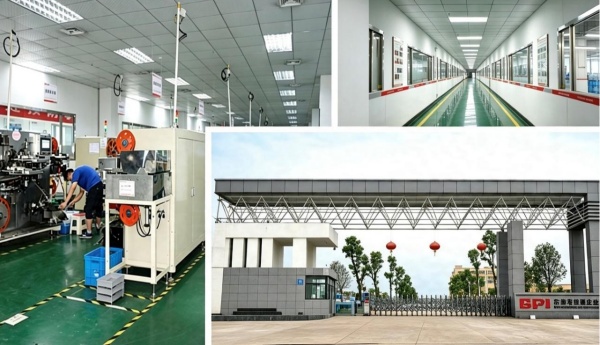
With 24 years of specialized battery manufacturing experience, BPI (Better Power Industry) has developed a complete, mature Ni-MH battery product portfolio and accumulated extensive mass delivery experience in fire emergency lighting and evacuation signage — sectors with stringent standards for power stability, safety and durability.
Founded in 2002 and headquartered in Shenzhen, BPI operates two modern production bases in Longhua (Shenzhen) and Yichun (Jiangxi), covering a total site area of over 200 mu with more than 1,500 employees. The fully automated Phase III factory of Jiangxi BPI New Energy commenced operation in 2023, with a daily lithium cell output exceeding 500,000 units and total daily production of all battery categories surpassing 1.5 million pieces.
The enterprise holds national certifications including National High-Tech Enterprise and National Specialized, Refined, Distinctive & Innovative "Little Giant" Enterprise. Its full battery lineup has obtained authoritative global safety certifications such as UN38.3, UL, CE, RoHS, REACH and KC, with products exported to over 80 countries and regions worldwide. BPI owns more than 200 national authorized patents covering core technologies including wide-temperature cells for emergency use, long-life low-self-discharge formulations and protective structural designs for fire light battery packs, delivering durable and reliable energy storage power solutions for all types of fire emergency lighting equipment.
As an original manufacturer specializing in energy storage batteries, BPI has perfected comprehensive product lines for customized Ni-MH and lithium battery packs, with abundant project delivery track records in fire security and backup emergency power supply — industries with strict standards for safety, weather resistance and long-term stability.
BPI offers two core technical platforms: low-self-discharge floating-charge systems and wide-temperature weather-resistant cells, enabling flexible assembly and targeted customization to match diverse operating scenarios of emergency lighting fixtures. Low-self-discharge cells paired with intelligent protective circuits have been widely deployed in fire backup power equipment with strict requirements for long standby, temperature & humidity tolerance, explosion resistance and leakage prevention.
All product R&D and design are centered on real-world operating conditions of fire lighting fixtures. To resolve two prevalent industry pain points — power depletion after years of floating charge standby and capacity degradation/leakage under high-low temperature humid environments — BPI has specially upgraded internal cell material formulas and sealed packaging structures. Optimized hydrogen storage negative electrode electrolyte systems and thickened fully sealed packaging greatly enhance the cells’ anti-aging and moisture corrosion resistance. Supported by automotive-grade full-process quality control to ensure consistent cell performance, multi-cell packs avoid shortened runtime or emergency power failure caused by performance discrepancies among individual cells after years of floating charge cycling.
Many low-cost emergency lights utilize ordinary Ni-MH or dry cells that lack optimization for floating charge conditions. Severe self-discharge occurs during long standby periods, leaving batteries depleted and unable to activate during blackouts, rendering emergency functionality useless. Additionally, generic cells feature short cycle life, leading to frequent replacements and higher long-term costs.
Most emergency lights are installed in damp, temperature-fluctuating public spaces. Inferior batteries with poor sealing technology risk electrolyte leakage that corrodes circuits and triggers short circuits or fires. Such products fail to deliver emergency lighting and introduce new fire hazards, violating compliance standards for fire safety equipment.
Emergency lights are far more than ordinary lighting hardware — they form the ultimate safety barrier for fire prevention. As the "power core" of emergency lights, battery reliability directly determines human safety during emergencies.
Focused on battery demands for emergency lighting scenarios, BPI delivers dependable energy storage support to all emergency light manufacturers via customized Ni-MH solutions, rigorous quality control and consistent product performance, ensuring every emergency light can "light up safety" when critical moments arrive.
For emergency lighting batteries, choose stability, choose reliability, choose BPI!
A1: BPI dedicated Ni-MH batteries for emergency lights achieve 500 cycles under IEC standards. For normal floating charge standby applications, the overall service life reaches 3–5 years, far exceeding generic consumer-grade batteries.
A2: Fully supported. BPI offers custom emergency light batteries in all sizes, multiple voltage levels and varied capacities. We tailor battery pack shapes to fit internal fixture cavities and provide auxiliary designs including pre-attached wires and custom connectors for direct installation without equipment modification.
A3: BPI emergency light batteries comply with IEC safety standards, with production processes certified under the IATF16949 quality management system. Every product undergoes rigorous safety testing including short-circuit, overcharging and extreme temperature cycling, eliminating risks of leakage or ignition and meeting fire equipment compliance requirements.
A4: Yes. BPI emergency light batteries adopt wide-temperature cell designs that maintain stable discharge performance at temperatures as low as -20°C, suitable for emergency lighting installed in northern outdoor areas and underground cold storage facilities.