In the era of smart electric vehicles, consumers usually focus on exterior design, autonomous driving, and cruising range. Yet what truly ensures stable operation of a vehicle’s digital capabilities is a core system hidden inside the vehicle: the T‑BOX (Telematics Box).
As the communication hub of the vehicle, T‑BOX supports critical functions including remote vehicle control, OTA updates, positioning, data uploading, and emergency call (eCall). If T‑BOX loses power, all remote communication stops immediately.
Therefore, when the main vehicle power source fails or is cut off, T‑BOX must continue working on backup power. This backup power supply is the last line of defense in the safety system of smart vehicles.
Some may ask: Since the vehicle already has a 12V battery, why a dedicated backup battery?
The answer is simple: the main power source can fail in extreme scenarios.Examples include disconnection of battery cables in a severe collision, failure of the power management system, or shutdown of the high‑voltage battery pack. Without backup power, T‑BOX cannot automatically report accidents, send location data, or initiate emergency calls—severely delaying rescue.
For this reason, global automotive standards generally require telematics modules to have a backup power system.
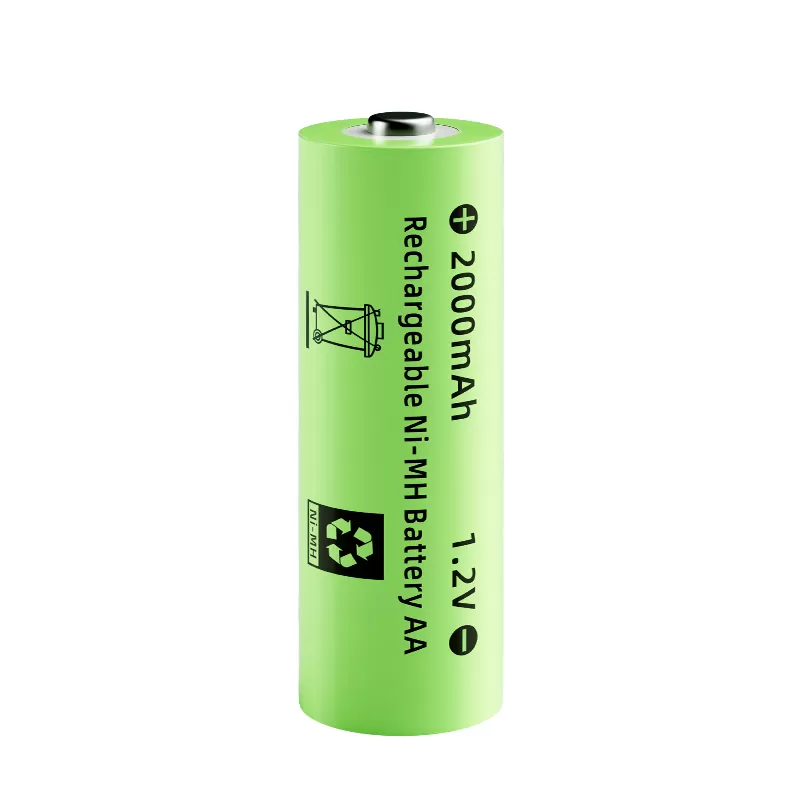
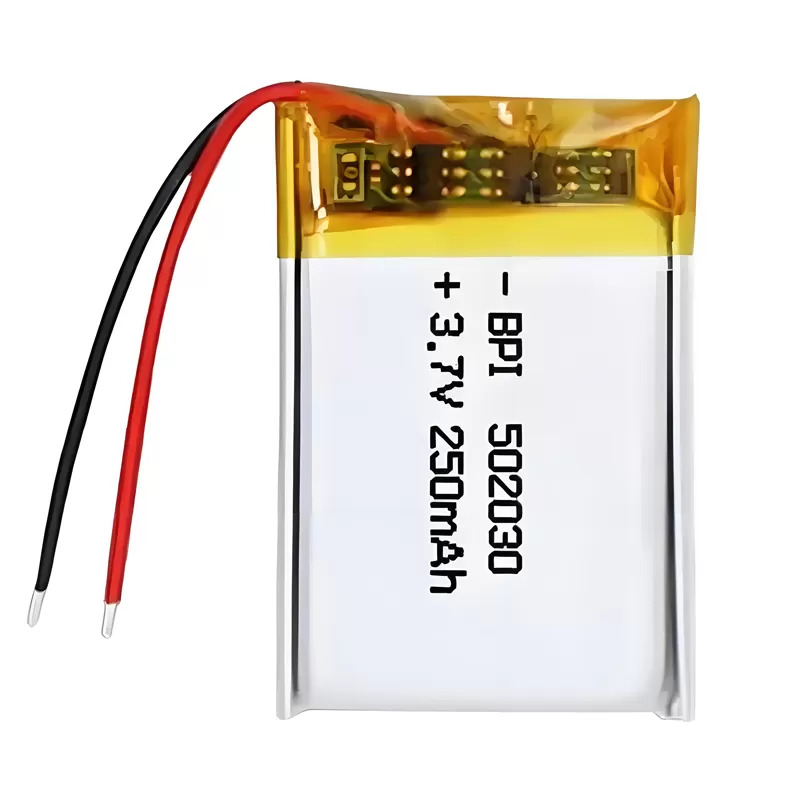
There are three main solutions for T-BOX backup power supplies: lithium batteries, supercapacitors, and Ni-MH batteries.
Lithium batteries feature high energy density but carry the risk of thermal runaway and suffer from significant performance degradation at low temperatures. Supercapacitors have a long service life but low energy density, which cannot meet the demand for long-duration communication. Ni-MH batteries achieve the optimal balance among safety, wide-temperature adaptability, and long service life – this is exactly what automotive-grade applications value most.
Founded in 2002, BPI has over 20 years of expertise in the battery industry. It is one of the few Chinese manufacturers covering Ni‑MH, lithium, Ni‑Zn batteries, and outdoor energy storage products. BPI’s Ni‑MH batteries are widely used in demanding automotive electronics applications such as T‑BOX and OBD.
Vehicles operate in widely varying environments, from the extreme cold of northern regions to the scorching heat of deserts, and the T-BOX must remain online at all times. BPI Ni-MH batteries support an operating temperature range from -40°C to +90°C, maintain stable output at an extreme low temperature of -40°C, achieve a cycle life of more than 500 cycles at 105°C, and deliver a charge-discharge efficiency of over 60%. Such stable performance under both extreme cold and heat conditions is unattainable for many existing battery technologies.
A vehicle typically has a design life of more than 10 years, and as a safety component, the T-BOX backup battery must achieve a service life matching that of the vehicle. BPI ultra-low self-discharge Ni-MH batteries retain more than 70% of their charge after 10 years of storage at room temperature, with an annual self-discharge rate only one-fifth that of conventional batteries. Meanwhile, their IEC cycle life can reach more than 1,000 cycles, ensuring that the emergency call function remains effective even at the end of the vehicle’s service life.
Safety and reliability come first for T‑BOX backup power.BPI Ni‑MH batteries use aqueous electrolyte (non‑flammable) and feature patented dual‑safety explosion‑protection technology.
Even under extreme abuse—overcharge, short circuit, crush, or nail penetration—the battery only leaks electrolyte without fire or explosion.BPI has shipped more than 1.5 billion Ni‑MH cells with zero safety incidents—a record that speaks for itself.
The standard Requirements for Nickel–Metal Hydride Batteries for Intelligent Connected Vehicle Terminals (issued 2021) mandates that backup batteries for eCall and T‑BOX must support at least 15 minutes of communication within −30°C to 85°C and remain functional after long‑term storage at extreme vehicle cabin temperatures.
BPI Ni‑MH batteries fully meet this standard and hold international certifications including UL, CE, CB, KC, and UN38.3.
Ni‑MH batteries comply with the RoHS directive, free of hazardous substances such as lead, mercury, and cadmium. Their cathode and anode materials contain nickel, cobalt, and rare earth elements with high recovery value—recycling rate exceeds 80%, enabling full compliance with increasingly strict environmental regulations.
BPI has a research and development team of more than 200 members and nearly 200 core patents, with independent technologies in segmented fields such as wide-temperature batteries, low self-discharge batteries and high-capacity batteries. For T-BOX applications, BPI has launched a variety of dedicated Ni-MH batteries, such as the 43AAA600VEH*3 high-temperature Ni-MH battery pack, which supports an operating temperature range from -20°C to 105°C and provides a cycle life of more than 500 cycles. The products have obtained international certifications including UL, CE, CB, KC and UN38.3, are covered by an annual product liability insurance of 3 million US dollars, and are exported to more than 80 countries and regions.
The global T-BOX backup battery market has formed a mainstream pattern of Ni-MH batteries not because of technological conservatism, but as an inevitable result of the precise matching between technical characteristics and market demand under the "safety first" logic of the automotive industry. With four core advantages: mandatory regulatory compliance, extreme environment adaptability, extra-long service life and intrinsic safety, Ni-MH batteries will remain the indispensable cornerstone of the intelligent connected vehicle safety system for a long time to come.
BPI Ni-MH batteries are exactly such an "invisible heart" — hidden deep inside the vehicle, silent yet steadily releasing energy in every emergency. Unnoticeable but indispensable. Unassuming but utterly trustworthy.