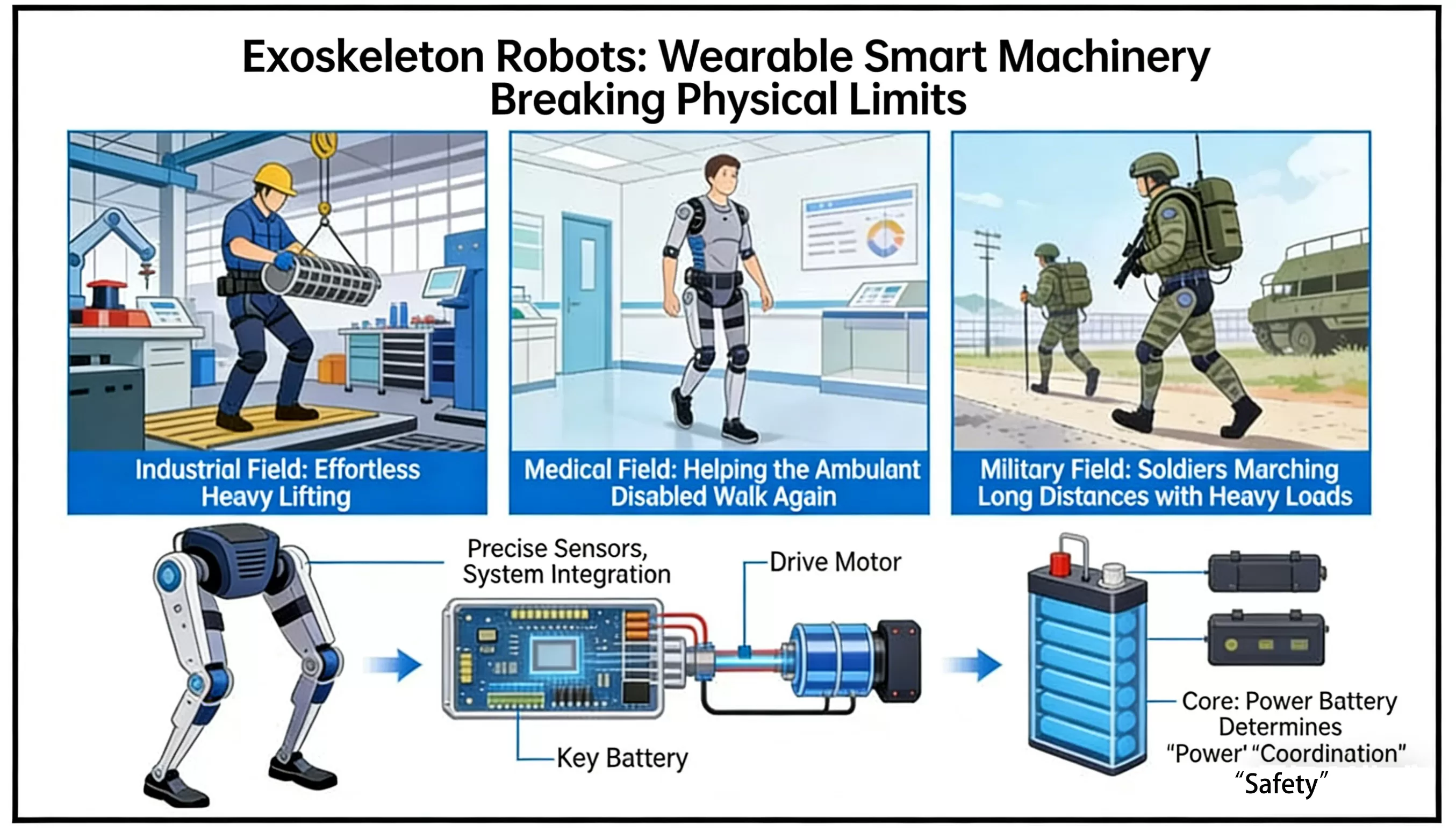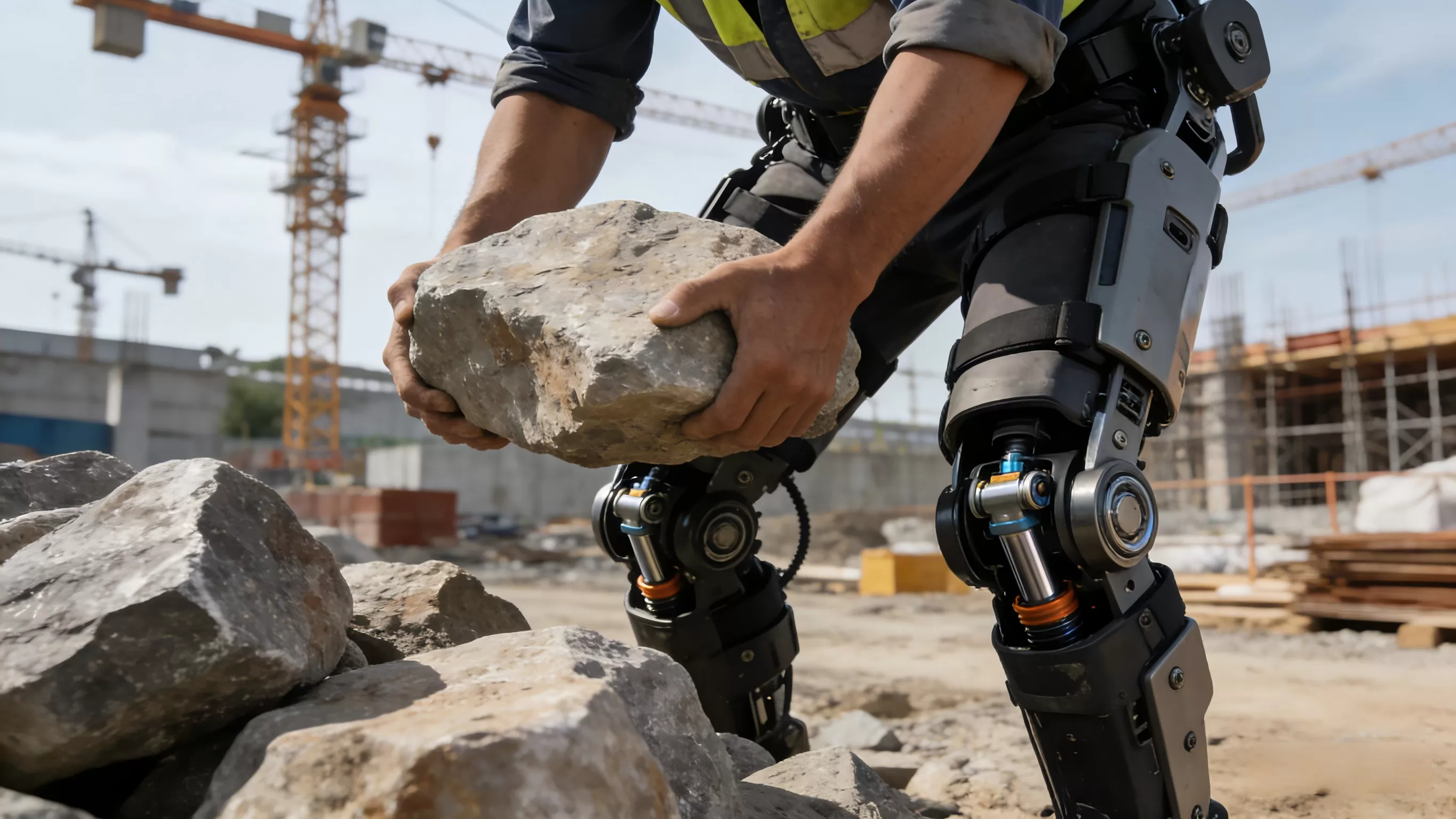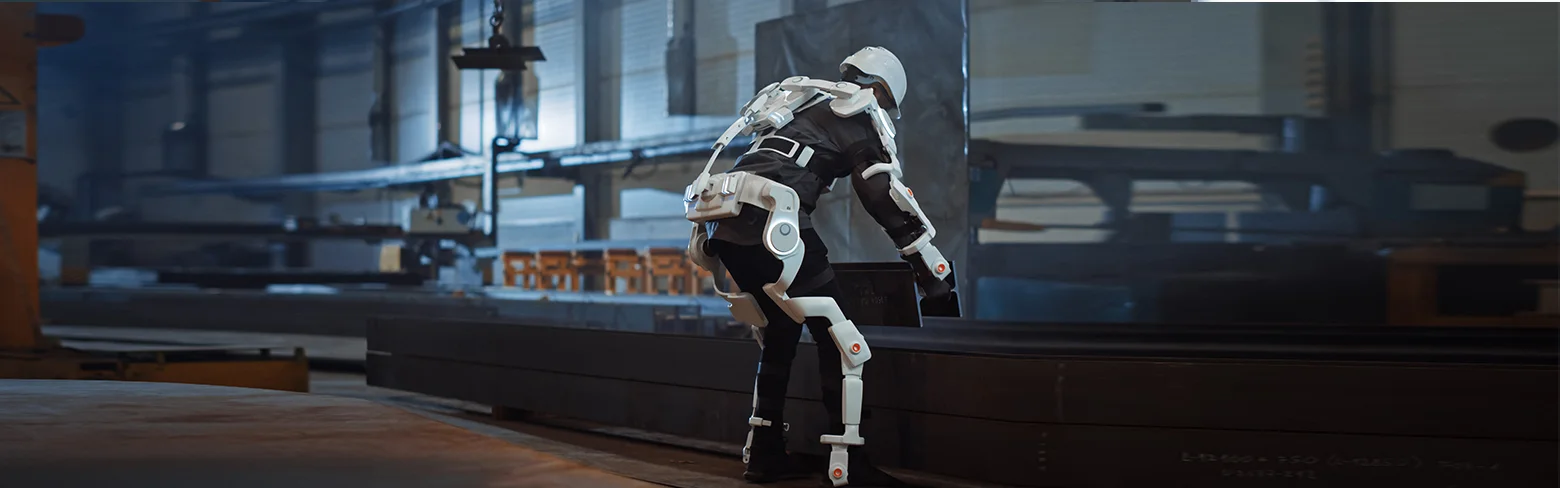
The mainstream battery solution for exoskeleton robots uses high-rate ternary lithium-ion cells (such as 21700 NMC) to achieve the best energy-to-weight ratio, while lithium iron phosphate batteries are used in scenarios with slightly higher weight tolerance due to its high safety. A complete battery system is a precise combination of cells, battery management system (BMS), structural components, and charging scheme.
| Battery Type | Model | Size(mm) | Voltage(v) | Capacity)mAh | IEC lifespan(cycles) | Initial internal resistance(mΩ) | Configuration Method |
| Li-ion | 12V 2Ah | customized | 12 | 2 | 500 | ≤80 | 3S1P |
| Li-ion | 24V 3.5Ah | customized | 24 | 3.5 | 500 | ≤60 | 6S1P |
| Customized on demand | |||||||
Unlike traditional industrial equipment, exoskeleton robots are worn directly by users. This creates unique power requirements that standard battery packs often cannot meet.
A battery for robots used in wearable systems must be compact and lightweight to minimize user fatigue and maximize mobility.
Exoskeleton devices require long operating times without increasing overall system weight. High-energy-density lithium batteries provide the ideal balance between power and portability.
Robotic movement often requires rapid bursts of energy. Batteries used in robots must maintain stable voltage and current delivery during dynamic operation.
Because exoskeleton systems operate in close contact with users, battery safety is critical. Intelligent Battery Management Systems (BMS) provide comprehensive protection against overcharging, overheating, and short circuits.
Lithium battery technology has become the leading choice for modern robotic systems.
Lithium batteries store more energy in a smaller package, making them ideal for wearable robotic applications.
A high-quality battery for robotics can deliver thousands of charge and discharge cycles while maintaining consistent performance.
Reduced charging time allows robotic systems to return to operation more quickly, improving productivity and efficiency.
Modern robotics battery systems integrate advanced monitoring and protection features that improve safety and extend battery lifespan.
Lithium battery packs can be customized to meet specific voltage, capacity, size, and communication requirements for various robotic platforms.
Industrial exoskeleton systems are increasingly used in manufacturing plants, warehouses, logistics centers, and construction sites. These systems assist workers in lifting heavy loads, reducing physical strain, and improving workplace efficiency. BPI provides industrial exoskeleton battery solutions that support extended operating times and demanding work environments.
Medical exoskeleton devices assist patients undergoing rehabilitation and mobility training. These systems require lightweight, safe, and dependable battery packs to ensure smooth operation during therapy sessions. Our medical exoskeleton battery solutions are engineered to meet the strict reliability requirements of healthcare applications.
Military exoskeletons enhance endurance, mobility, and load-carrying capacity for personnel operating in challenging environments. BPI develops custom battery pack solutions that deliver high energy density and rugged performance for advanced tactical systems.
Universities, robotics laboratories, and technology startups often require customized battery solutions during prototype development and testing. Our engineering team works closely with customers to create battery packs tailored to unique robotic platforms.
| Battery Type | Model | Size(mm) | Voltage(v) | Capacity)mAh | IEC lifespan(cycles) | Initial internal resistance(mΩ) | Configuration Method |
| Li-ion | 12V 2Ah | customized | 12 | 2 | 500 | ≤80 | 3S1P |
| Li-ion | 24V 3.5Ah | customized | 24 | 3.5 | 500 | ≤60 | 6S1P |
| Customized on demand | |||||||
Unlike traditional industrial equipment, exoskeleton robots are worn directly by users. This creates unique power requirements that standard battery packs often cannot meet.
A battery for robots used in wearable systems must be compact and lightweight to minimize user fatigue and maximize mobility.
Exoskeleton devices require long operating times without increasing overall system weight. High-energy-density lithium batteries provide the ideal balance between power and portability.
Robotic movement often requires rapid bursts of energy. Batteries used in robots must maintain stable voltage and current delivery during dynamic operation.
Because exoskeleton systems operate in close contact with users, battery safety is critical. Intelligent Battery Management Systems (BMS) provide comprehensive protection against overcharging, overheating, and short circuits.
Lithium battery technology has become the leading choice for modern robotic systems.
Lithium batteries store more energy in a smaller package, making them ideal for wearable robotic applications.
A high-quality battery for robotics can deliver thousands of charge and discharge cycles while maintaining consistent performance.
Reduced charging time allows robotic systems to return to operation more quickly, improving productivity and efficiency.
Modern robotics battery systems integrate advanced monitoring and protection features that improve safety and extend battery lifespan.
Lithium battery packs can be customized to meet specific voltage, capacity, size, and communication requirements for various robotic platforms.
Industrial exoskeleton systems are increasingly used in manufacturing plants, warehouses, logistics centers, and construction sites. These systems assist workers in lifting heavy loads, reducing physical strain, and improving workplace efficiency. BPI provides industrial exoskeleton battery solutions that support extended operating times and demanding work environments.
Medical exoskeleton devices assist patients undergoing rehabilitation and mobility training. These systems require lightweight, safe, and dependable battery packs to ensure smooth operation during therapy sessions. Our medical exoskeleton battery solutions are engineered to meet the strict reliability requirements of healthcare applications.
Military exoskeletons enhance endurance, mobility, and load-carrying capacity for personnel operating in challenging environments. BPI develops custom battery pack solutions that deliver high energy density and rugged performance for advanced tactical systems.
Universities, robotics laboratories, and technology startups often require customized battery solutions during prototype development and testing. Our engineering team works closely with customers to create battery packs tailored to unique robotic platforms.


Shenzhen Better Power Battery Co., Ltd. combines advanced manufacturing, cutting-edge R&D, and strict quality control to deliver high-performance battery solutions. With state-of-the-art facilities, international certifications (ISO, UL, CE, RoHS), and a focus on customization, we meet the diverse needs of global industries.

Better Power has four major battery materials research laboratories and collaborates with top universities.

We specialize in providing fully customized battery solutions, from cell design to final integration.

Our state-of-the-art facilities in Shenzhen and Jiangxi ensure consistent quality and large-scale production capabilities.

We use eco-friendly materials and manufacturing processes, adhering to RoHS standards.
Lithium-ion and lithium polymer batteries are the most common batteries used in robots because they provide high energy density, lightweight construction, and long operating life.
The best battery for robotics depends on the application's voltage, runtime, and weight requirements. Lithium batteries are generally the preferred solution for most robotic systems.
Lithium batteries offer higher efficiency, faster charging, lighter weight, and longer lifespan compared with traditional battery technologies.
Yes. BPI provides custom battery solutions for exoskeleton robots, industrial robotics, medical devices, and other advanced robotic applications.
Depending on battery chemistry and usage conditions, a robotics battery can typically provide between 2,000 and 5,000 charge cycles.