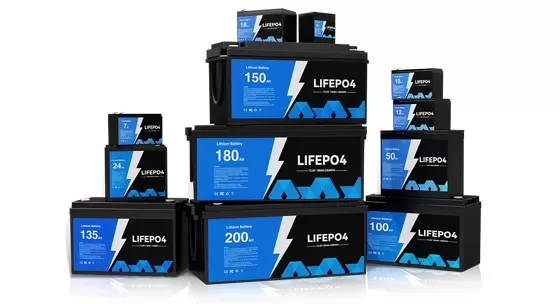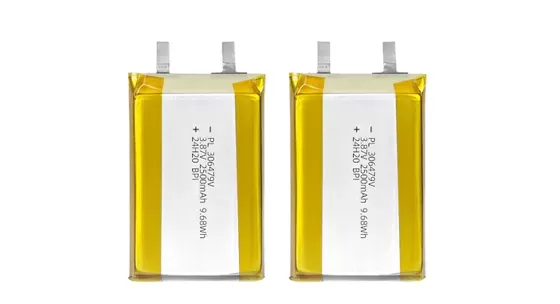
BPI's LiFePO₄ batteries combine long lifespan, strong performance, and advanced safety for versatile energy solutions. They offer over 2000 charge cycles, with some home energy storage models lasting up to 6000 cycles at 80% DOD. Designed for high current charging and discharging, certain portable units support bidirectional fast charging—fully recharging in just 1.4 hours. Built with automotive-grade A-class LiFePO₄ cells and equipped with a BMS, they provide comprehensive protection against overcharge, over-discharge, short circuit, and overheating. Operating reliably from –20°C to 60°C, our products cover portable and home energy storage systems with flexible customization options.

Safety performance: Using automotive grade A-grade lithium iron phosphate power cells-, equipped with BMS battery protection system, providing multiple protections such as overcharge, over discharge, short circuit, over temperature, etc.

It has good thermal stability and is not prone to thermal runaway

Cycle life ≥ 4000 cycles

Robust Crystal Structure
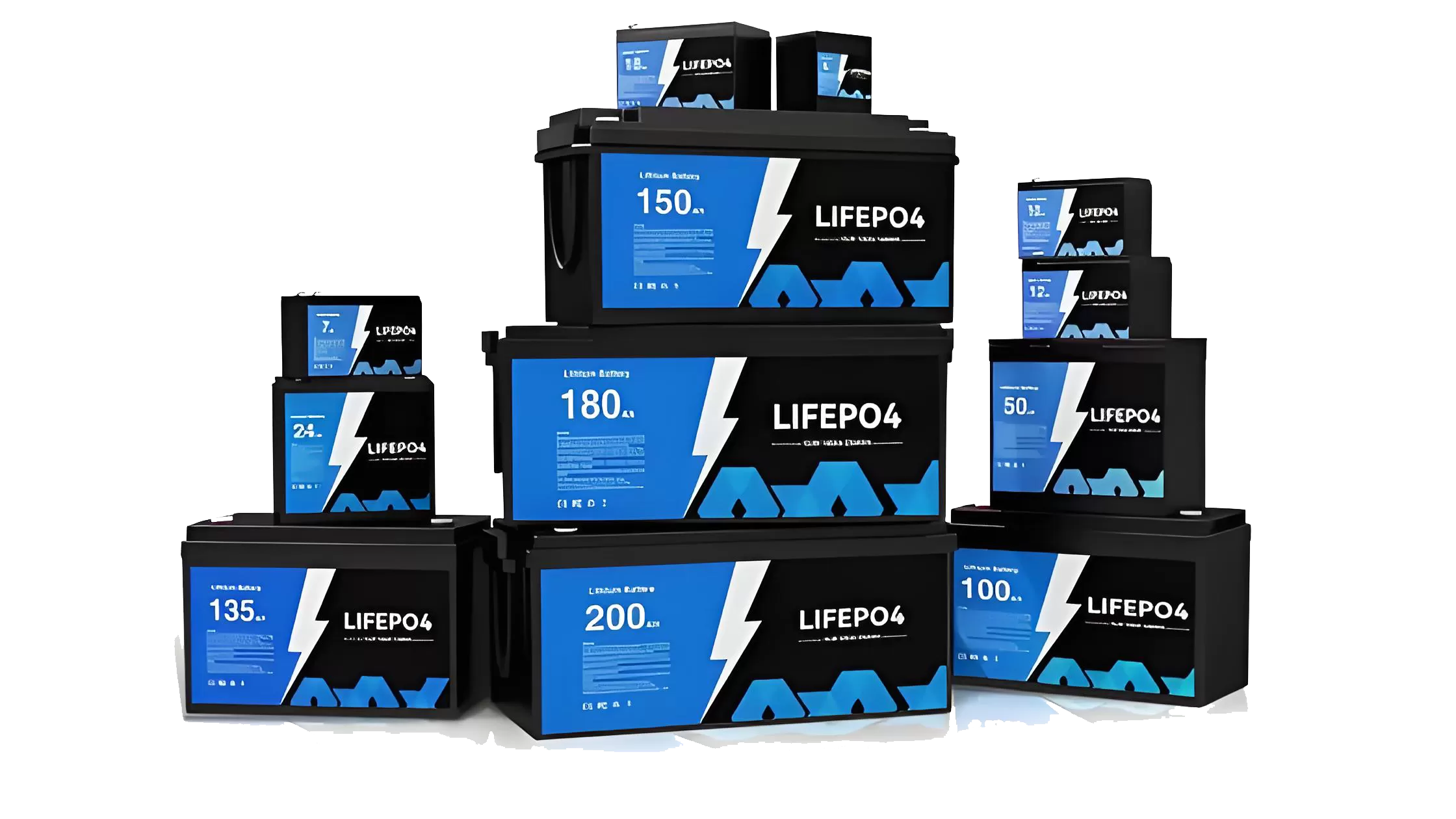
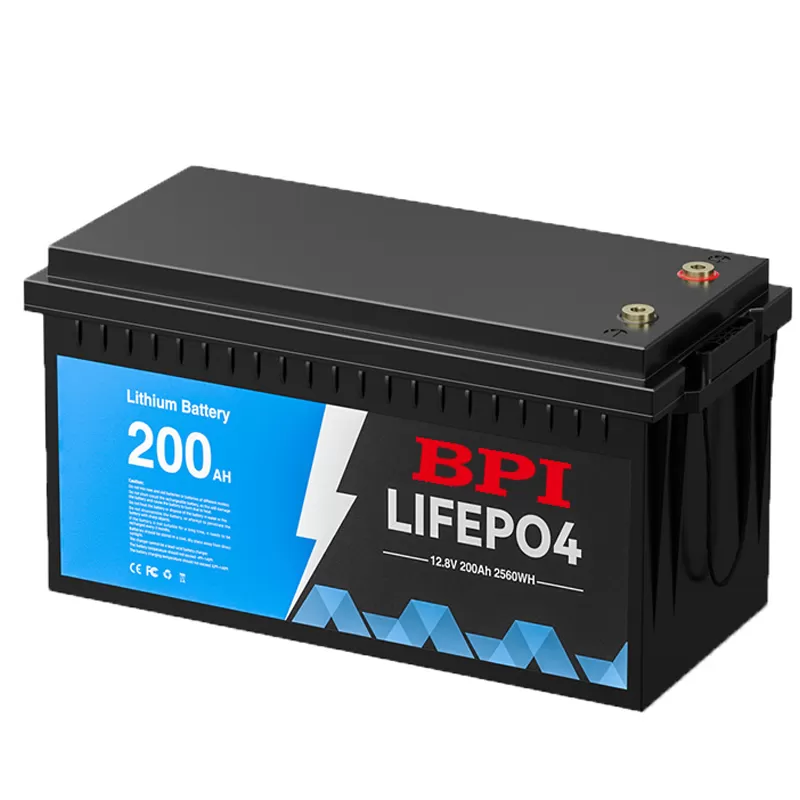 12V LiFePO4 Battery
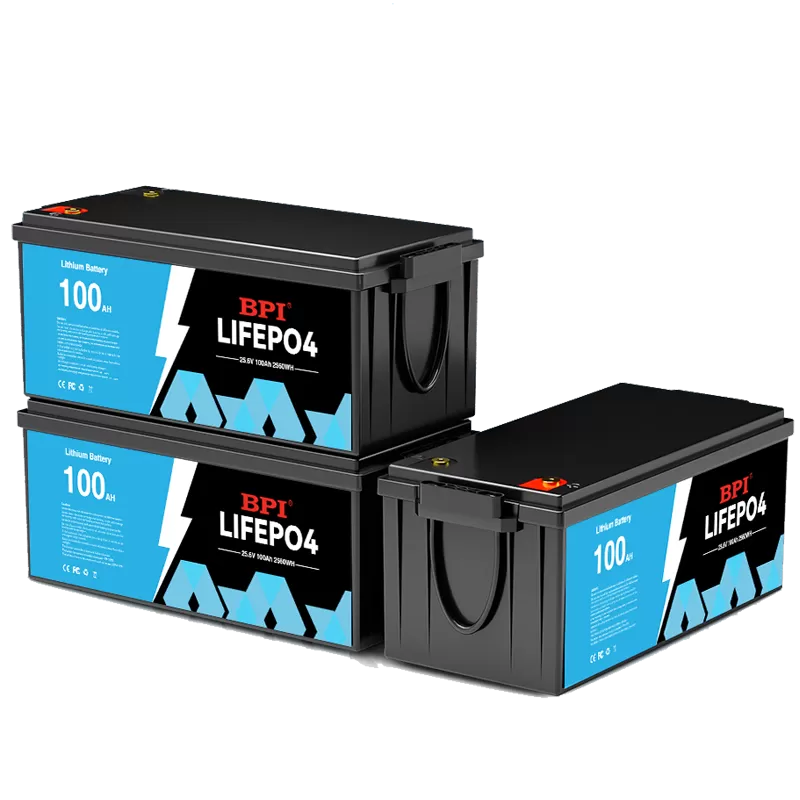 24V LiFePO4 Battery
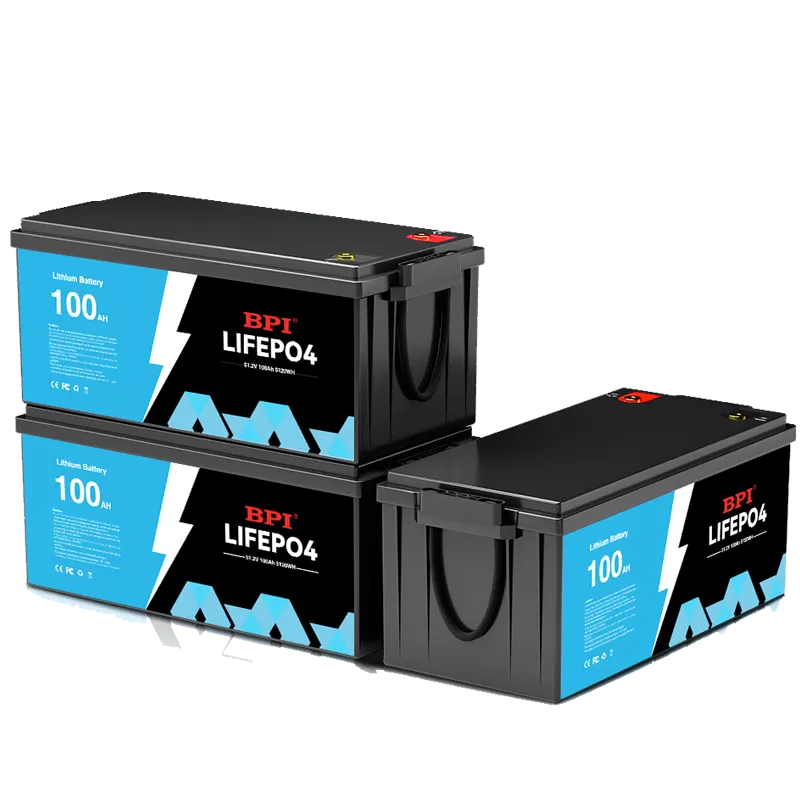 48V LiFePO4 Battery
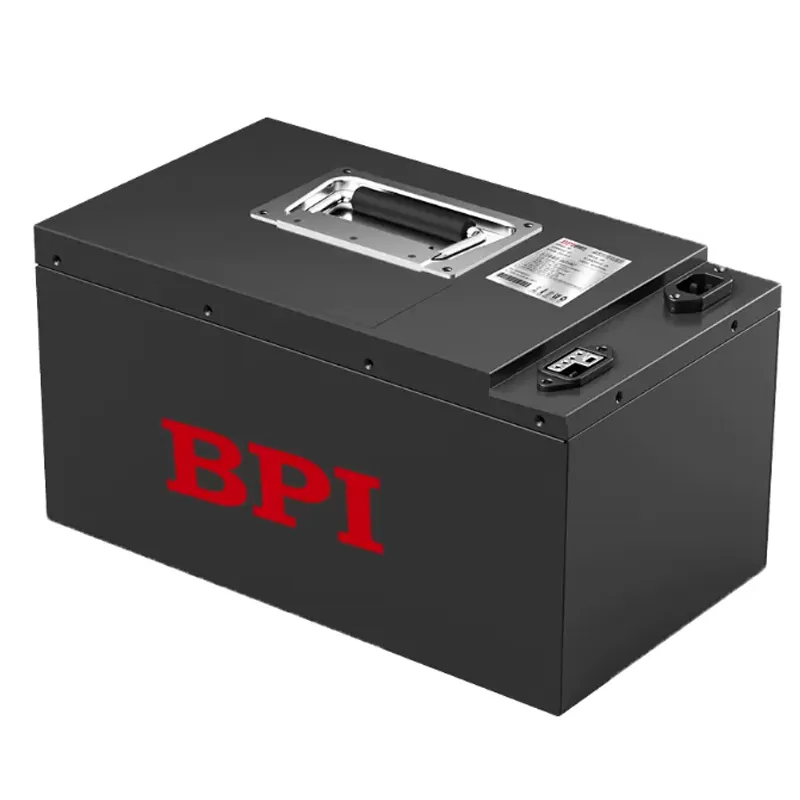 Small Power 48V LiFePO4 Battery
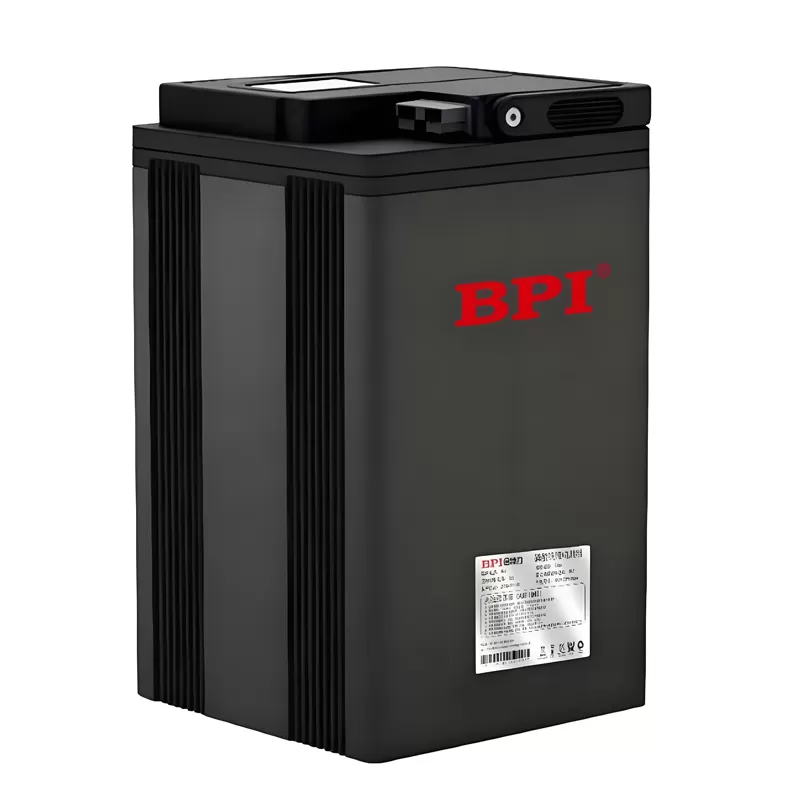 Small Power 60V LiFePO4 Battery
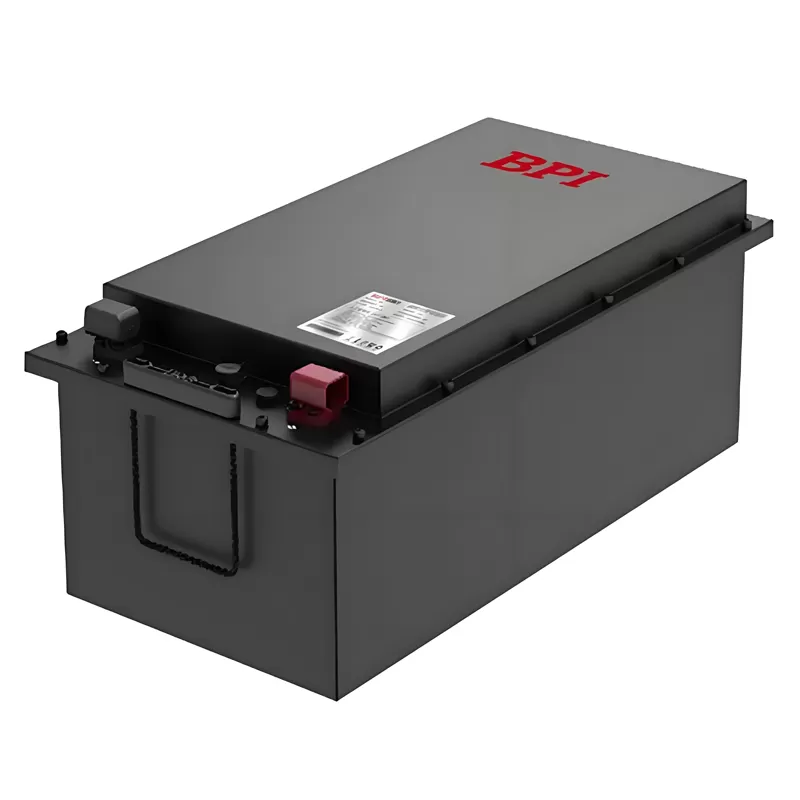 Small Power 72V LiFePO4 Battery
High temperature resistance: LFP materials only decompose at 800°C. Even under high temperatures or impacts, they generally do not release oxygen, making them less prone to ignition or explosion.
Stable chemical properties: Unlike ordinary ternary lithium batteries that may experience thermal runaway at 200-300°C, LFP batteries have a more stable chemical structure, with lower risks of short circuits and overcharging. It can be said that it is one of the safest chemical systems among mainstream lithium batteries currently available.
Long cycle life: Ordinary LFP batteries can achieve over 2000 charge-discharge cycles, while high-quality products can even reach 6000 cycles. This means that with daily charging, they can be used for more than 5-8 years.
Long calendar life: Even when not in use, their theoretical calendar life can reach 10-15 years, with a slow attenuation rate.
This refers to the temporary reduction in charge-discharge efficiency and capacity of the battery in low-temperature environments (e.g., below 0°C).
Reason: At low temperatures, the movement speed of lithium ions inside the battery slows down, resulting in reduced available capacity, slower charging speed, and difficulty with high-power discharge (such as startup).
Solution: Many high-end LFP batteries now are equipped with active thermal management systems (heating films) that preheat the battery before charging or use, thereby greatly improving low-temperature performance. In room temperature environments, there is no impact at all.
Absolutely not! This is a common misunderstanding.
Modern battery technology: LFP batteries are fully activated at the factory and have no memory effect.
Charge as needed: You can use them normally after receiving them. It is sufficient to fully charge them for the first time—there is no need for prolonged overcharging, as this is actually harmful to the battery.
Recommendation: In daily use, avoid recharging only after the battery is completely depleted. Try to keep the charge cycle between 20%-90% to help extend the lifespan.
Ternary lithium batteries: High energy density, more suitable for scenarios pursuing long endurance and lightweight (such as high-end electric vehicles, laptops).
LFP batteries: Relatively lower energy density, but with obvious advantages in safety, lifespan, and cost. With technological development (such as CTP technology), the gap between the two is narrowing.
No. Memory effect is a characteristic of nickel-cadmium (Ni-Cd) batteries. LFP batteries have no memory effect at all—you can charge them at any time without worrying that charging before the battery is fully depleted will affect its capacity. In fact, this is the recommended way to use them.
Three Do's:
Do adopt shallow charge and shallow discharge: Try to keep the battery level between 20% - 90%.
Do use it regularly: If not in use for a long time, store it with about 50% charge.
Do use and store it at appropriate temperatures: Avoid prolonged exposure to high temperatures or extreme cold.
Three Don'ts:
Don't over-discharge: Avoid using the battery until it reaches 0%.
Don't store it at full charge for a long time: Full charge status will accelerate material aging.
Don't use mismatched chargers.
This is usually related to the BMS (Battery Management System) estimation strategy, not a fault of the battery itself.
Flat voltage platform: The discharge voltage curve of LFP batteries is very flat, with little voltage change between 80% and 20% charge. This poses a challenge for the BMS to accurately estimate the remaining power.
Calibration and learning: The BMS needs to learn and calibrate through complete charge-discharge cycles. Occasionally performing a full charge-discharge cycle (e.g., using from 100% to 20% and then fully recharging) helps make the power display more accurate.
They must be recycled and must not be discarded randomly!
Environmental friendliness: LFP batteries do not contain highly toxic heavy metals such as lead and cadmium, so their impact on the environment is much smaller than that of lead-acid batteries. However, their materials still have recycling value.
Recycling channels: Please hand over waste batteries to professional battery recycling institutions, automobile 4S stores, or designated electronic waste recycling points. They will be professionally disassembled, and materials such as lithium, phosphorus, iron, and copper can be extracted and reused to achieve resource recycling.
LFP batteries: Nominal voltage is 3.2V, and full charge voltage is approximately 3.65V.
Ternary lithium batteries: Nominal voltage is 3.7V, and full charge voltage is approximately 4.2V.
You can quickly determine the chemical system by checking the voltage marked on the battery.