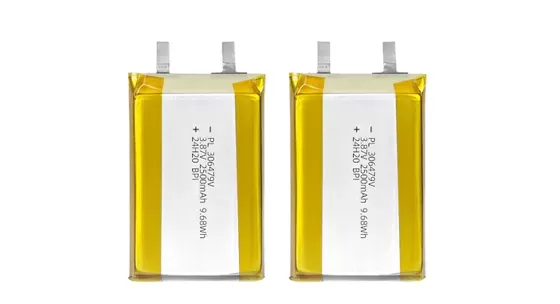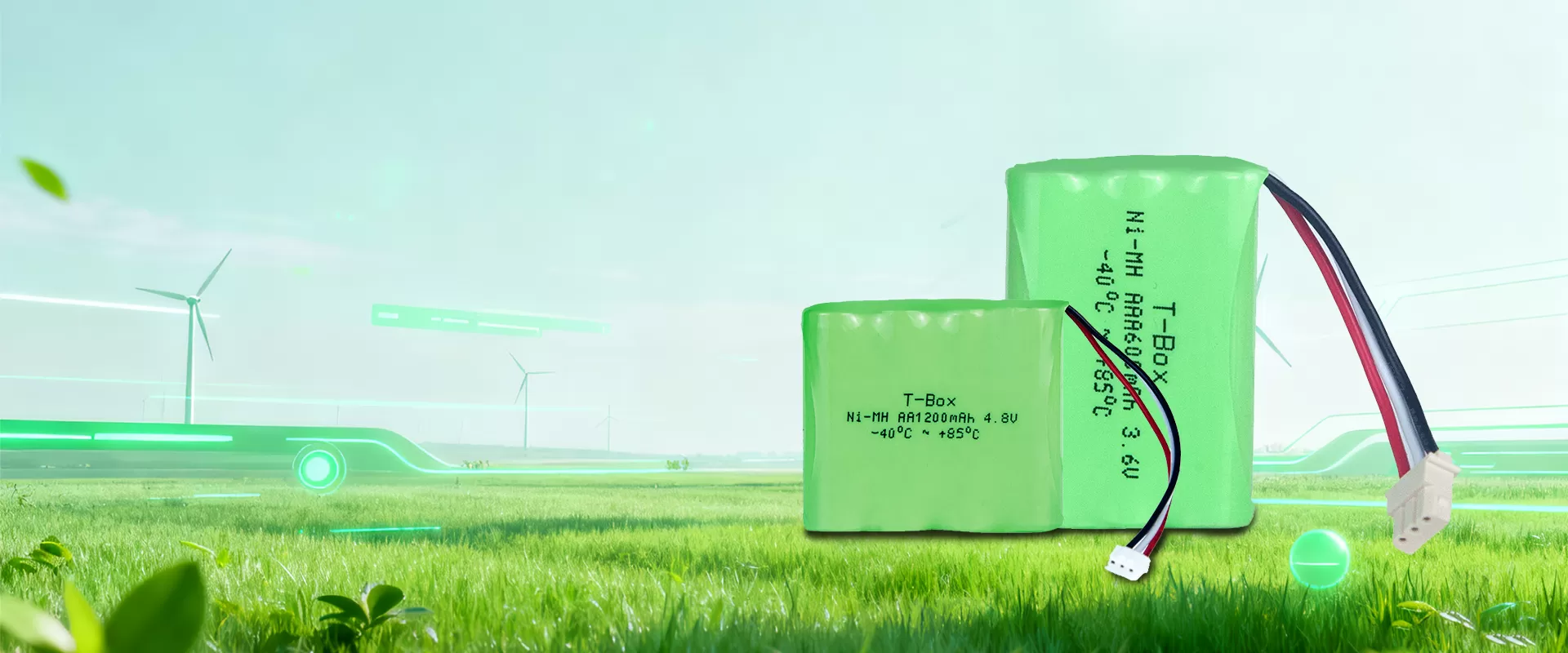
Special Batteries can adapt to operating temperatures of -40°C to 70°C, meeting the needs of harsh environments such as extreme cold and high heat.

The use of solid electrolyte eliminates the risk of liquid electrolyte leakage and enhances high and low temperature performance.
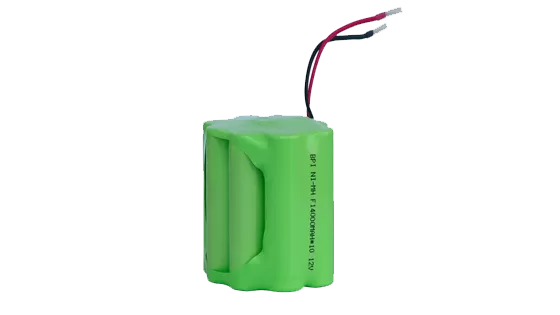

No explosion risk, stable in extremes

Double protection with cap and seal.

Withstands high temps and shorts reliably
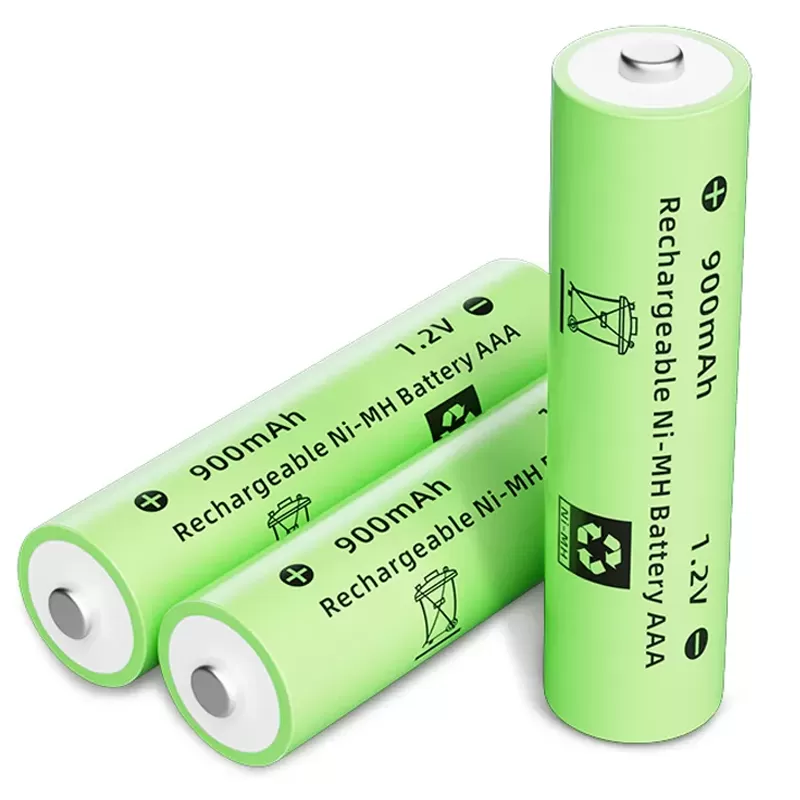 Low Self-Discharge Battery
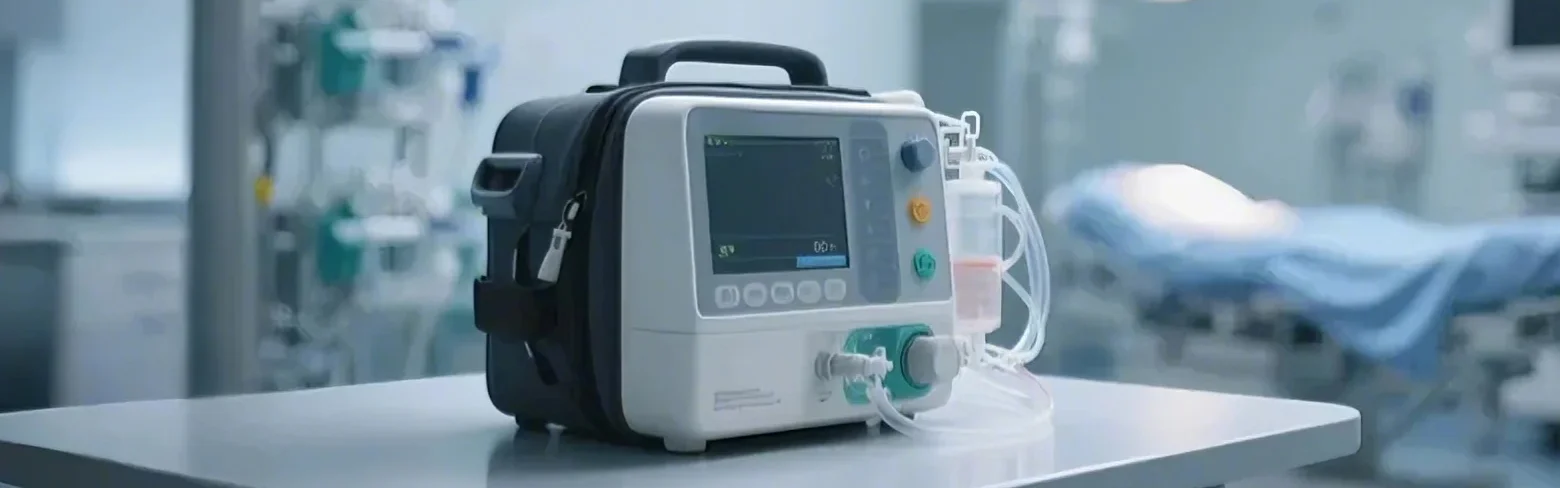
Special batteries can provide continuous power supply for data centers, nuclear power plants, communication base stations, field communication equipment, missile launch systems, operating room life support equipment, mobile ICU units, etc.
Ordinary Ni-MH batteries: Typically operate within -20°C ~ +50°C, with performance dropping sharply at low temperatures.
Wide-temperature Ni-MH batteries: Through special electrolyte formulations, electrode materials, and manufacturing processes, their operating temperature range is significantly extended to -40°C ~ +70°C or even wider. They can maintain normal operation and a long cycle life in extremely cold and high-temperature environments.
Usable in extreme temperatures: Whether in the cold Arctic regions, high-altitude environments, or hot desert areas, they can work normally, solving the problem of lithium batteries and ordinary Ni-MH batteries "failing" at low temperatures.
Intrinsic safety: Unlike lithium batteries, their electrolyte is water-based, non-flammable and non-explosive, with strong resistance to overcharging and over-discharging. They have no risk of thermal runaway, making them particularly suitable for critical equipment with high safety requirements.
Military equipment: Individual soldier communication devices, sights, reconnaissance instruments, etc.
Industrial instruments: Outdoor-installed smart flow meters, pressure transmitters, data acquisition terminals.
Aerospace: Satellite backup power supplies, high-altitude detection equipment.
Emergency backup: Safety alarm systems, backup power supplies for medical emergency equipment (e.g., AED defibrillators).
Outdoor adventures: Electronic equipment in extreme environments such as polar scientific research and alpine climbing.
There will be degradation, but it is far superior to other battery systems. At -40°C, high-quality wide-temperature Ni-MH batteries can typically deliver more than 60% of their room-temperature capacity and support normal discharge rates. In contrast, ordinary Ni-MH batteries may see their capacity drop below 50% at -20°C, while lithium batteries can barely discharge effectively at -20°C.
This is a typical trade-off between "performance" and "reliability".
If you pursue absolutely reliable power supply and extremely high safety in extreme, harsh environments, wide-temperature Ni-MH batteries are the better choice. Their value does not lie in "storing more electricity" but in "supplying power stably under any circumstances".
Although lithium batteries have high energy density, their poor low-temperature performance and safety risks limit their application in the above-mentioned critical fields.
The memory effect of modern wide-temperature Ni-MH batteries is already very slight.
There is no need to deliberately perform deep discharge to eliminate the memory effect—frequent deep discharge is instead harmful to battery life.
Recommendation: Adopt a "shallow charge and shallow discharge" strategy, such as recharging the battery after using 70%-80% of its power. If a significant drop in battery capacity is observed, perform a full charge-discharge cycle every three months or after dozens of cycles to calibrate the fuel gauge, though this is not a daily necessity.
Its cycle life is closely related to operating conditions and depth of discharge (DoD). Under standard conditions (e.g., 25°C room temperature, 80% DoD), high-quality wide-temperature Ni-MH batteries can typically achieve a cycle life of over 500 cycles. With shallow charge-discharge and suitable temperatures, the service life can be even longer.
Special materials: Raw materials such as wide-temperature electrolytes and high-performance electrode alloys are costly.
Complex processes: The manufacturing process must be carried out in a strictly controlled inert gas environment, featuring complex procedures and rigorous yield control.
R&D and certification: Early-stage R&D investment and certification costs for high-end fields such as military and aerospace are also amortized into the product.
What you pay for is its unparalleled reliability and safety in extreme environments.
Strongly not recommended!
The charging algorithms of wide-temperature Ni-MH batteries (especially △V/zero Delta-V detection, temperature slope control, etc.) may not be compatible with ordinary chargers.
Using an incompatible charger may lead to undercharging, overcharging, or battery damage, affecting its service life and safety.
Be sure to use a specialized charger recommended or provided by the battery manufacturer.
Environmental friendliness: Ni-MH batteries do not contain highly toxic heavy metals such as lead and cadmium, making them more environmentally friendly than lead-acid batteries and Ni-Cd batteries. Their main materials, such as nickel and rare earth metals, have high recycling value.
Recycling channels: Please hand them over to professional battery recycling institutions or designated electronic waste recycling points for resource utilization and harmless treatment.