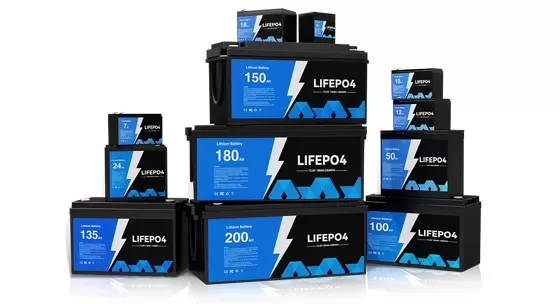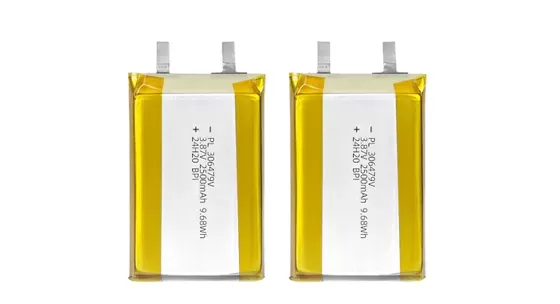
All-in-one power stations with integrated inverters for construction sites, film production, and outdoor events. Quiet, emission-free alternative to traditional generators.
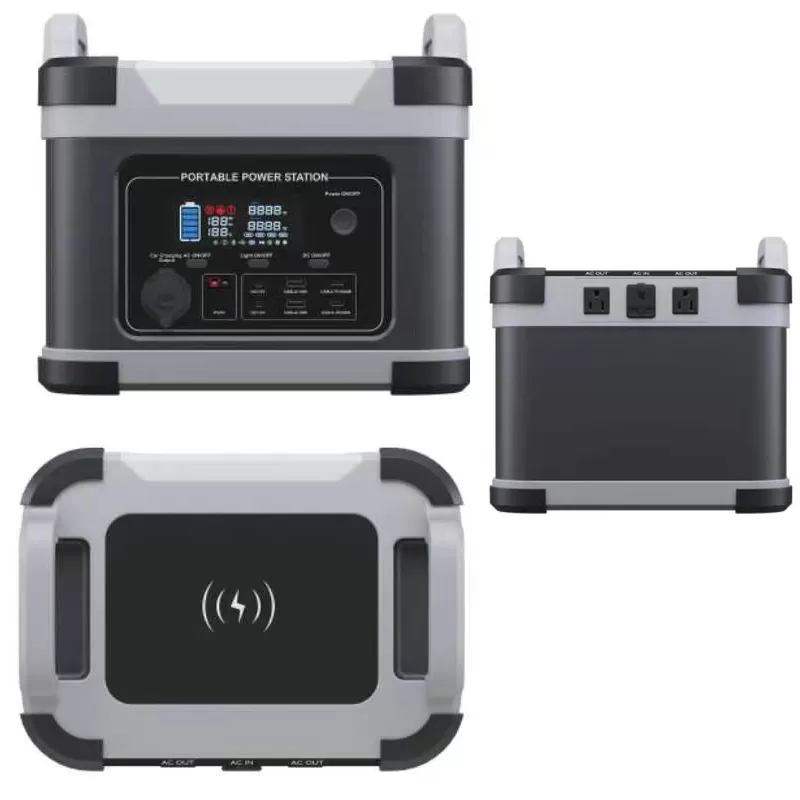 Outdoor Power F Series
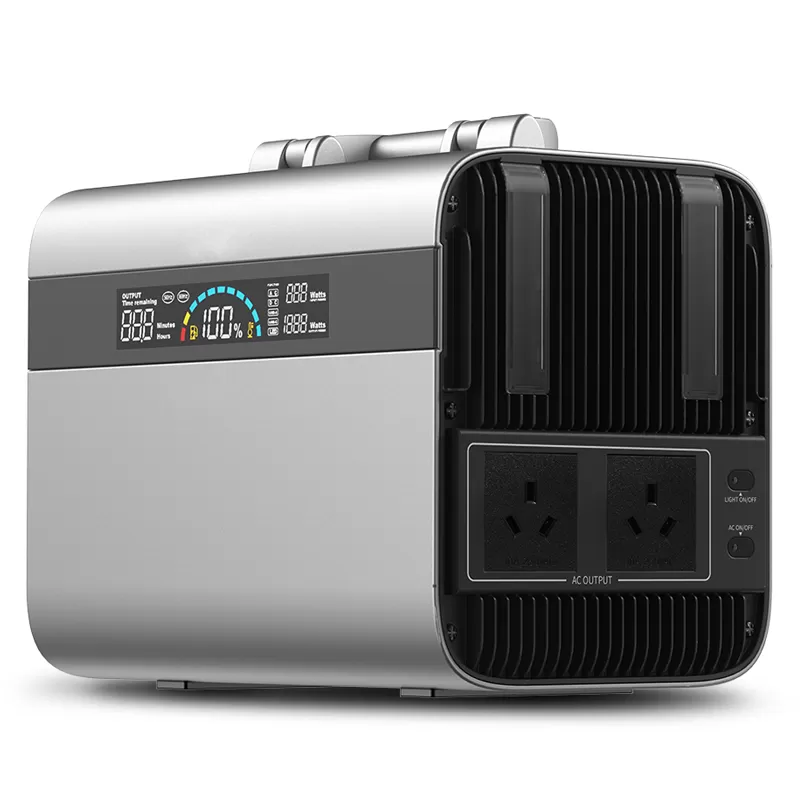 Outdoor Power MB Series
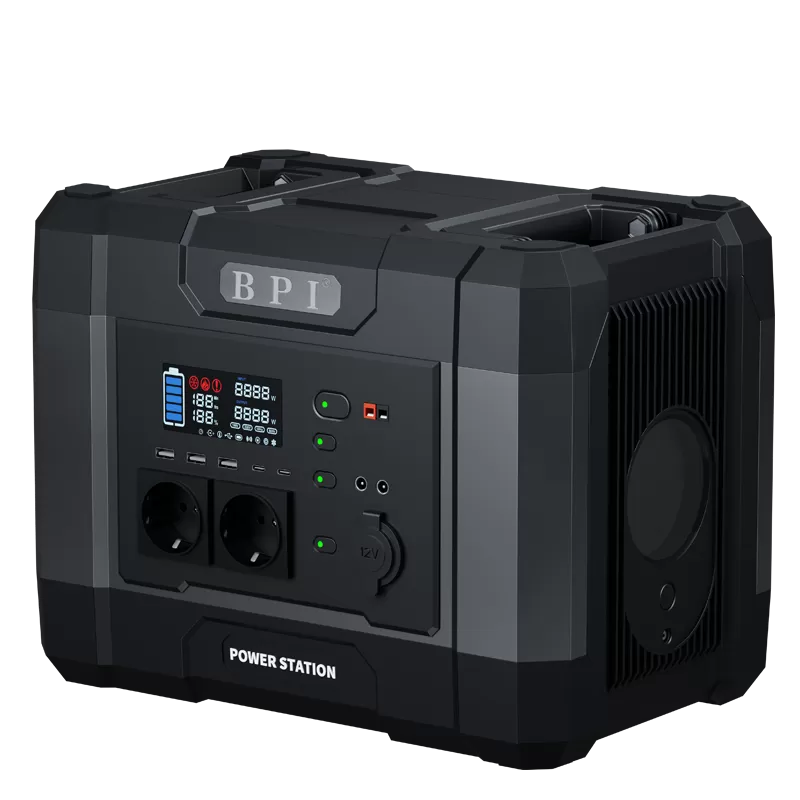 Outdoor Power Q Series
This is the most crucial issue. The main differences lie in the working principle and user experience:
| Features | Portable energy storage power supply | traditional fuel generator |
| Working principle | Chemical energy → Electrical energy (used after charging) | Fuel combustion → Mechanical energy → Electrical energy |
| Usage scenarios | It can be used both indoors and outdoors. It is quiet and pollution-free. | It must be in a well-ventilated outdoor area. |
| Noise | Extremely low (usually <45dB), almost silent | The noise is very loud (above 65dB) |
| Emission | Zero emissions, environmentally friendly and safe | There are exhaust emissions (carbon monoxide), which pollute the environment |
| Maintenance | Simple and almost maintenance-free | The engine oil, spark plugs and other components need to be changed regularly |
| Start | One-click start, simple operation | Pulling the rope to start is relatively laborious |
| Core advantage | Safe, quiet,environmentally friendly and easy to use. |
Below 500Wh: Suitable for charging digital devices such as mobile phones, laptops, drones, and small table lamps, or for lighting during short camping trips.
500-1000Wh: Ideal for weekend camping. It can power small to medium household appliances like rice cookers, mini fridges, electric fans, and projectors for several hours.
1000-2000Wh: Perfect for long-distance self-driving trips and home emergency preparedness. It can run electric kettles, coffee makers, microwaves (note the peak power), and even air coolers.
Above 2000Wh: Suitable for RV travel, professional outdoor work, and long-term home backup power.
Check the unit: The only standard is Watt-hours (Wh). If the merchant only labels "Ah", convert it using the formula: Voltage (V) × Ampere-hours (Ah) = Watt-hours (Wh). For example, a power station labeled 20Ah with a voltage of 21.6V has an actual capacity of 21.6V × 20Ah = 432Wh.
Choose trusted brands: Reputable brands usually clearly mark the rated Wh and comply with industry standards.
Insufficient power: Household air conditioners have extremely high peak power during startup (3-5 times the rated power), which far exceeds the load capacity of ordinary portable power stations.
Rapid capacity depletion: Air conditioners are high-power consumers. Even if drivable, a 1000Wh power station may run out of power within 1-2 hours.
Solutions:
Confirm the rated power and startup peak power of your air conditioner.
Select a portable power station with power far higher than the air conditioner’s peak power (usually above 3000W).
Consider inverter air conditioner-specific models or use low-power window/mobile air conditioners.
AC wall charging: The fastest method. For example, a 1000Wh power station takes about 10 hours with a 100W charger and 5-6 hours with a 200W charger.
Car charging (cigarette lighter port): Convenient for topping up during travel, but with low power and slow speed.
Solar panel charging: The most eco-friendly off-grid charging method. Charging time depends on light intensity and solar panel power (e.g., a 100W solar panel charges a 1000Wh power station in about 10 hours under ideal conditions).
Many products support simultaneous AC and solar charging, which can significantly shorten the charging time.
Battery cells: High-quality lithium iron phosphate (LFP) or ternary lithium cells account for the largest share of costs, directly determining the product’s capacity, lifespan, and safety.
Inverter: Converts the battery’s DC power to AC power for household appliances. Its quality and power determine the stability of output power and load capacity.
BMS (Battery Management System): A sophisticated system responsible for charge-discharge protection, cell balancing, temperature control, etc., serving as the core guarantee for safety.
R&D and structure: R&D costs for shell design, heat dissipation systems, software development, and various interfaces.
What you pay for is a highly integrated, safe, and reliable "miniature power station".
AC output (alternating current port): Used to power most household appliances such as laptops, rice cookers, and electric fans. Pay attention to the output waveform—pure sine wave is more friendly to precision electrical appliances.
DC output (direct current port): Usually used to power car electronics such as car refrigerators and air compressors.
USB-A / USB-C ports: For charging digital products like mobile phones, tablets, and cameras. If the USB-C port supports PD fast charging, it can charge laptops at high speed.
Car charging port (cigarette lighter port): Equivalent to the cigarette lighter socket in a car.
Normal mode: Can be used while charging, but the input power is usually less than the output power, resulting in slower charging speed or even continuous power depletion.
UPS mode (pass-through function): An advanced feature. When AC power is normal, the power station directly transmits AC power to devices like a "channel" while charging its own battery. When AC power is interrupted, it switches to battery power within milliseconds to ensure uninterrupted power supply for devices. This function is ideal for backup power for devices requiring continuous power, such as computers and NAS.
Charge to 50%-70%: This is the optimal storage power level for lithium batteries. Storing at full charge or low charge will accelerate aging.
Store in a cool, dry place: Avoid high temperature, humidity, and direct sunlight.
Regular charge-discharge: It is recommended to take it out for a full charge-discharge cycle every 3-6 months to activate the cells and calibrate the BMS.
Yes, but there are strict capacity restrictions.