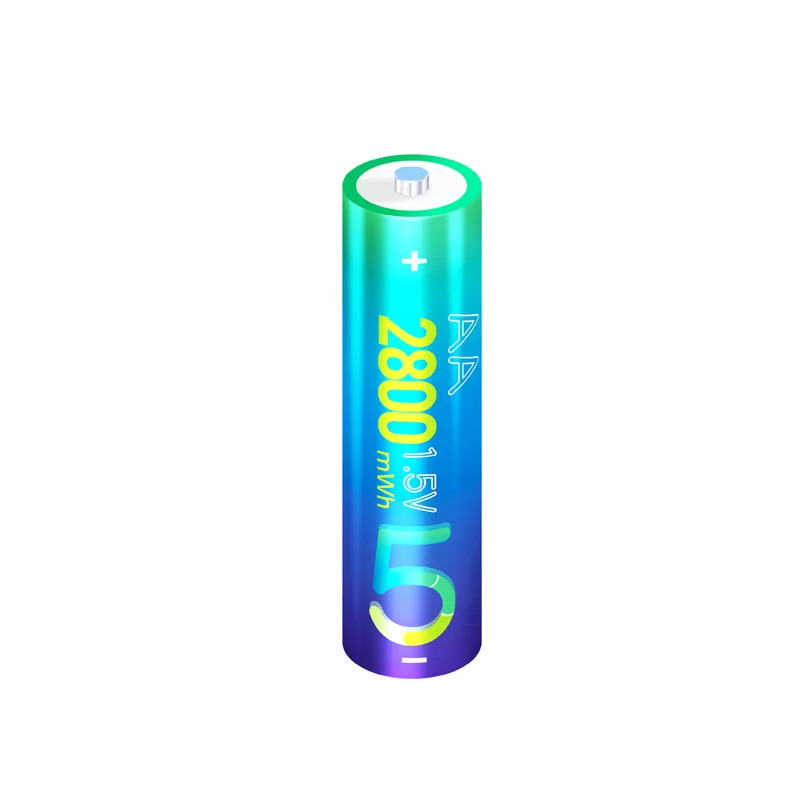
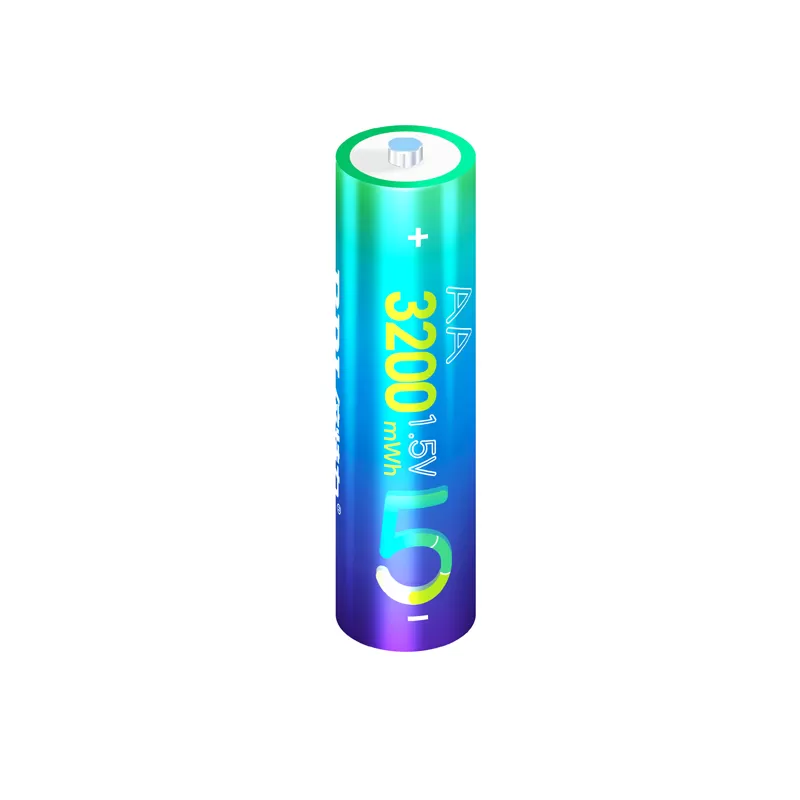
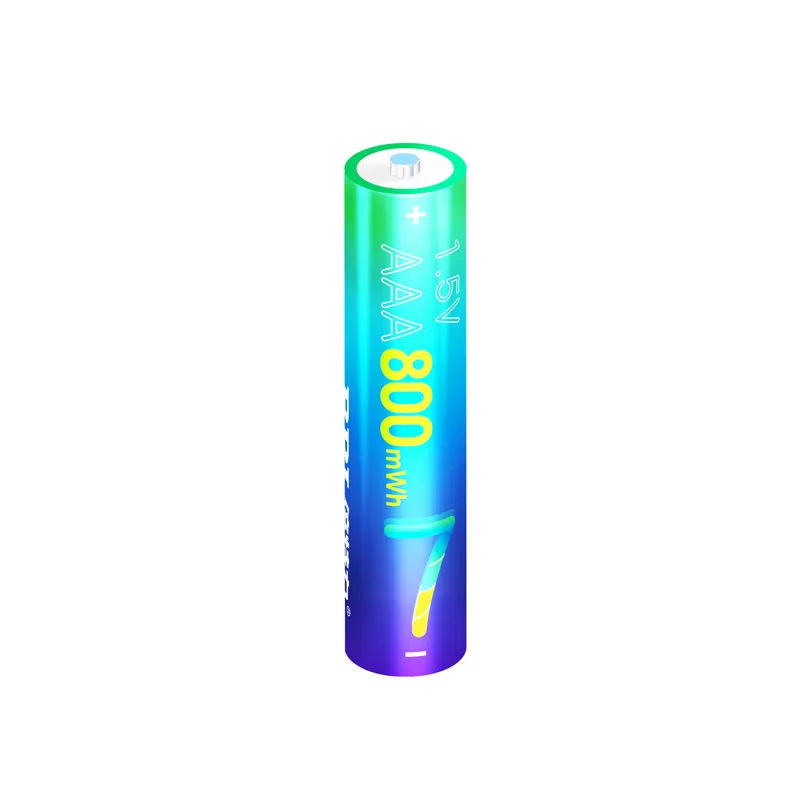
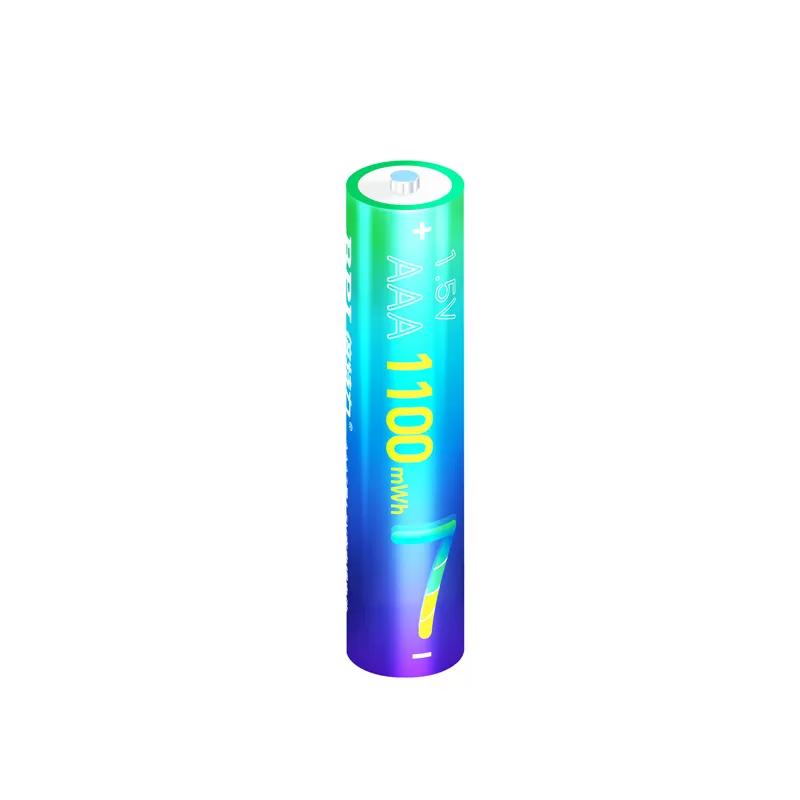
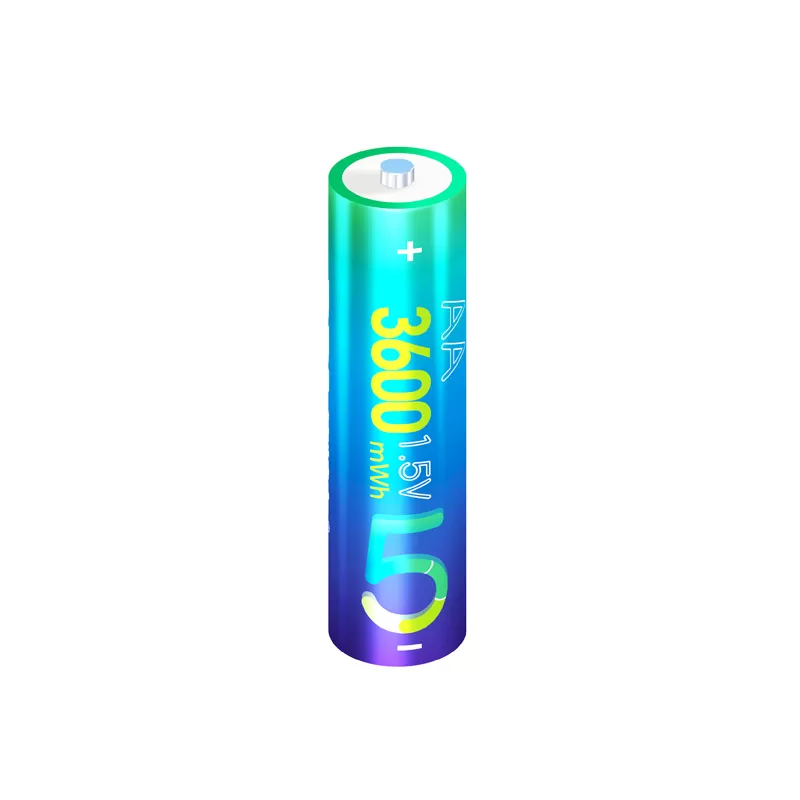
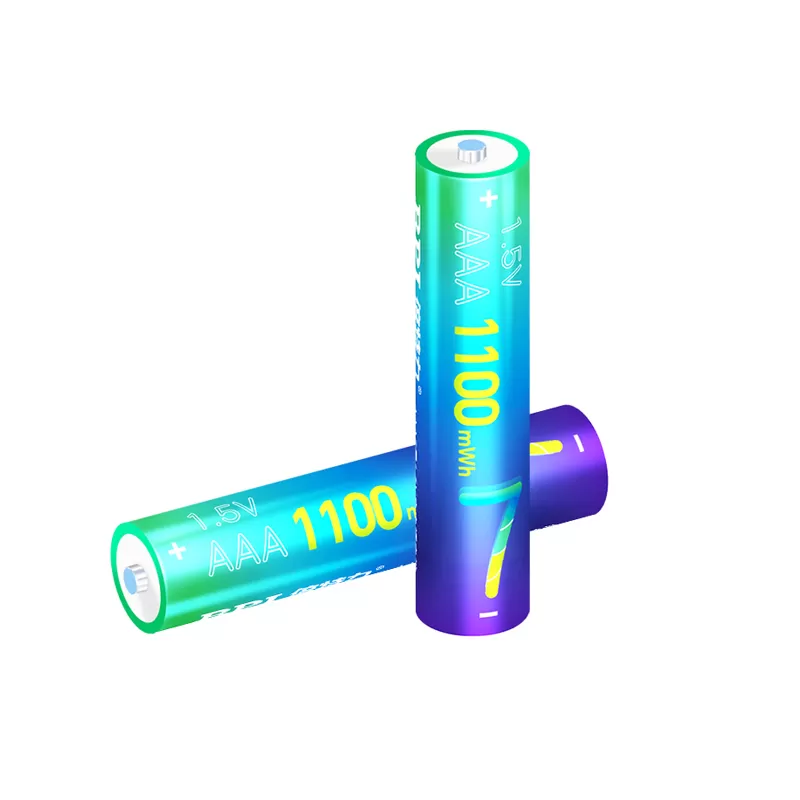
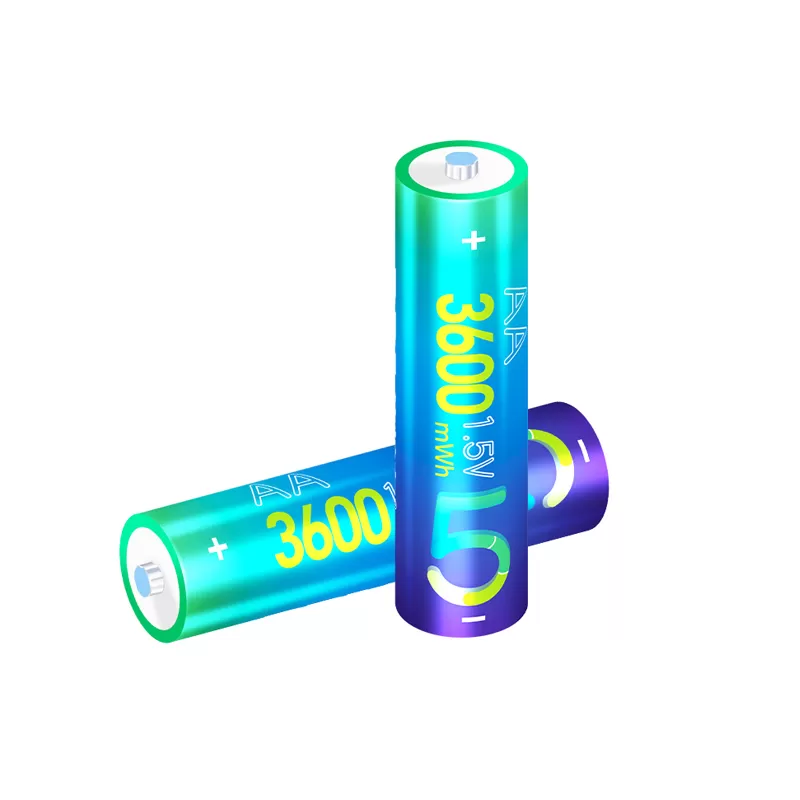
With the development of global sustainability, the outdated technology of disposable dry-cell batteries, which cause serious soil pollution after use due to their chemical properties, is undergoing a revolution. A plethora of AAA/AA series lithium batteries are now available on the market, designed to replace traditional 1.5V dry-cell batteries and offer rechargeable, recyclable batteries. These new batteries not only offer a continuous, stable output voltage, effectively preventing the problem of power being held back, but are also easily recyclable and environmentally friendly. Users no longer need to frequently purchase new batteries, and charging is extremely convenient.
Serial Number | Battery Model | Unit(mWh) | Capacity(mAh) | Type-C Port Location | Note |
1 | USB50AA | 2220 | 1480 | / | Model without suffix indicates no Type-C |
2 | USB50AA | 2800 | 1860 | / | Model without suffix indicates no Type-C |
3 | USB50AA | 3200 | 2100 | / | Model without suffix indicates no Type-C |
4 | USB50AA | 3600 | 2400 | / | Model without suffix indicates no Type-C |
5 | USB44AAA | 660 | 440 | / | Model without suffix indicates no Type-C |
6 | USB44AAA | 800 | 530 | / | Model without suffix indicates no Type-C |
7 | USB44AAA | 1100 | 730 | / | Model without suffix indicates no Type-C |
Type-C Convenient Charging
Charging 0-45℃, Discharging -20-50℃

1.5v Constant Voltage

No Pollutants

Meet The Requirements Of Long Cycle Life

Ul/Ce/Un38.3/Msds

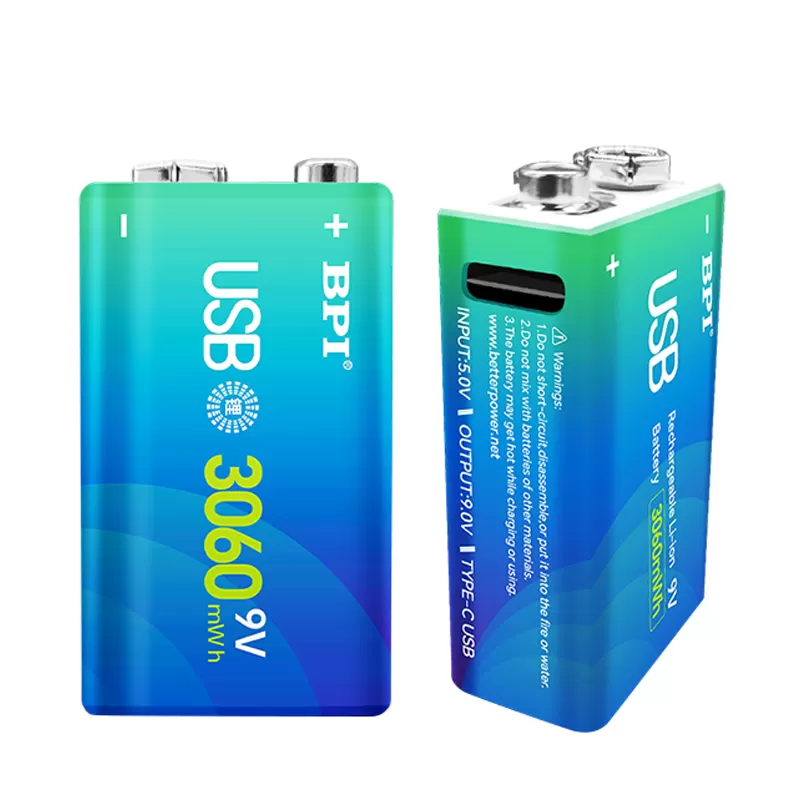 9V/C/D Type-C Series Lithium Batteries
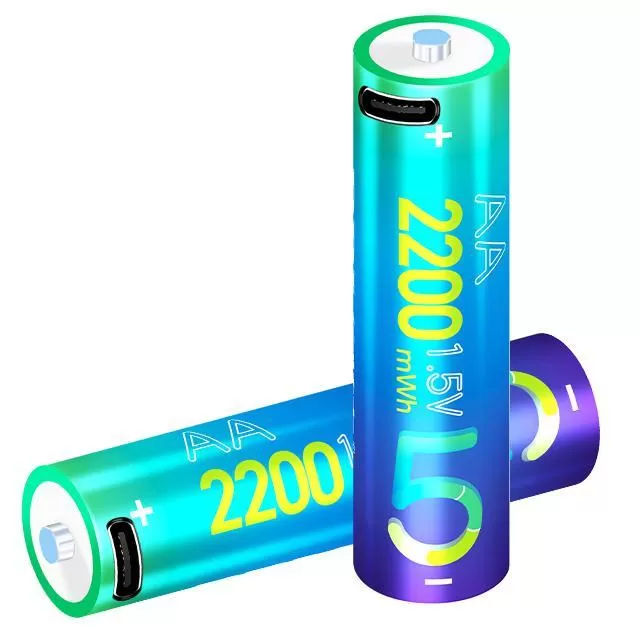 AAA/AA Type-C Series Lithium Batteries
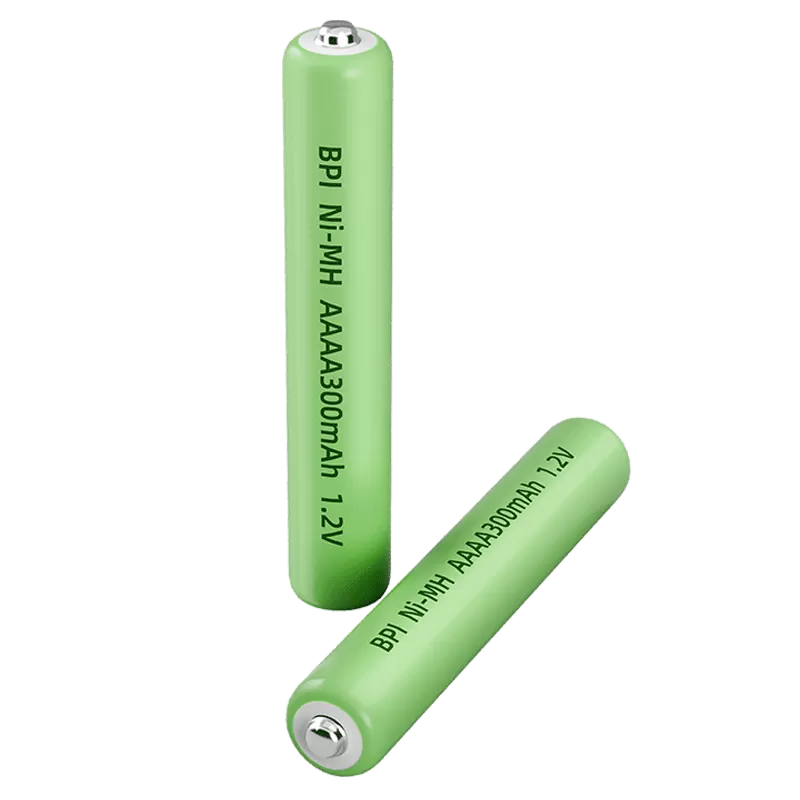 AAAA Ni-MH Batteries
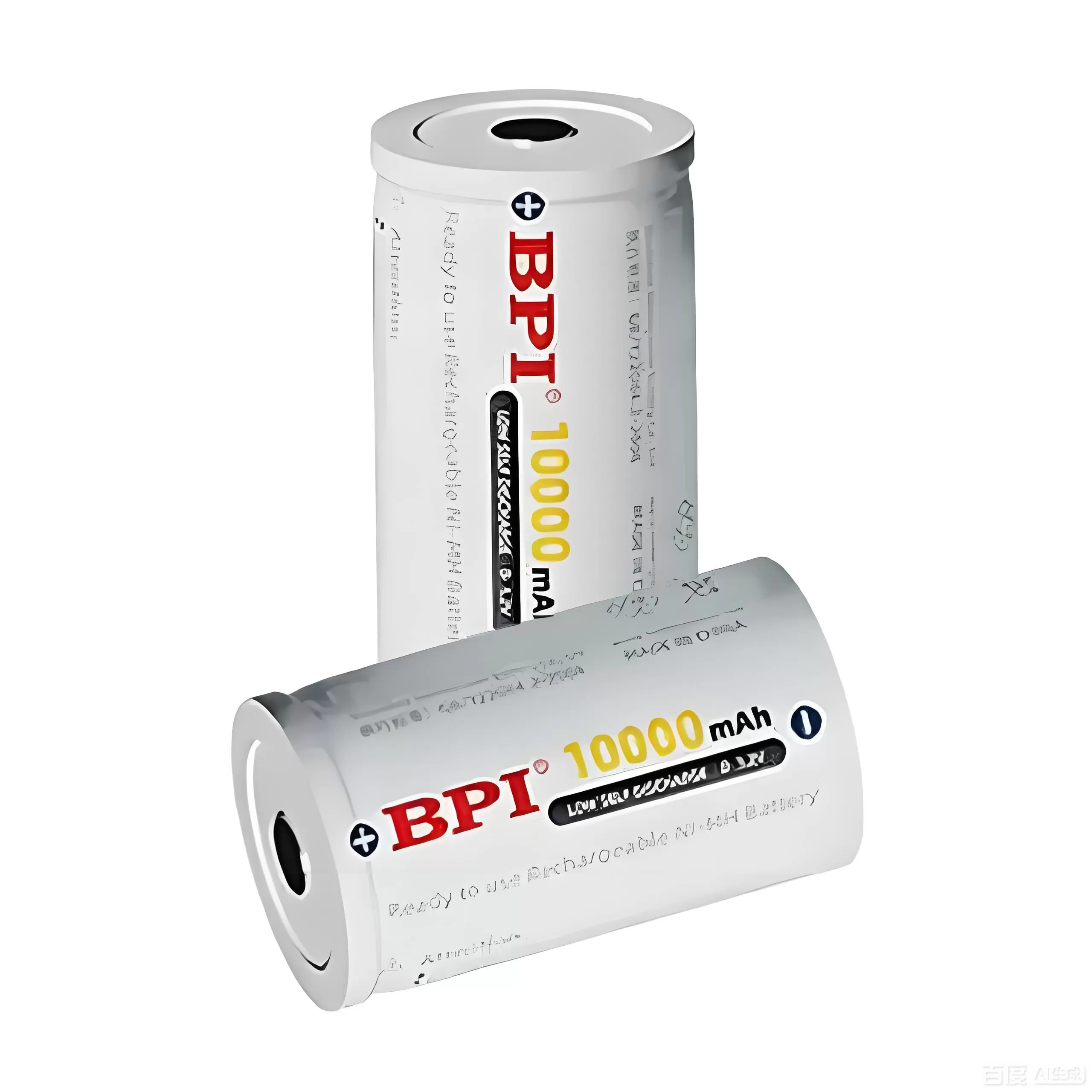 D-Type NiMH Explosion-Proof Battery